
365 Bedtime Stories: Creating a Consistent Daily Reading Routine


Introduction
At bedtime, a reader holds more than just words; they hold a bridge between the chaotic day and the quiet safety of the sleeping hours. The transition for a child—or indeed, for a stressed parent—requires consistency, warmth, and a sense of deep comfort. Among the many options for nightly rituals, the concept of a 365-story book offers a beautifully structured commitment to daily narrative continuity. It is an invitation to move beyond the random selection of books and embrace a curated journey, where the act of reading becomes a reliable pillar of your child’s emotional world.
But what does it truly mean to commit to 365 stories? Is it merely a long list of titles? This guide delves into how these daily collections function as more than just entertainment, exploring the unique ways in which they establish routine, build imaginative worlds, and foster a tangible love for the written word through enduring classic tales and soothing rhythms. Whether you are looking for a simple, five-minute wind-down or a continuous epic that weaves magic across months, understanding the nature of this collection illuminates how storytime serves as a foundational piece of your family’s nightly architecture.
The Architecture of the Routine: Why Consistency Matters

The primary function of a 365-story book is not just the sheer quantity of content, but the intentional rhythm it imposes. Reading a bedtime story every single night helps children establish a healthy predictability in their day [1]. This reliable ritual signals to the nervous system that it is time to rest, reducing anxieties and strengthening the emotional bond between the child and the parent through shared vulnerability and imagination.
These collections are designed with versatility in mind. They are highly adaptable, whether you choose to read one tale every night, or quickly run through five classic stories in a single evening to suit a demanding or unpredictable schedule [1]. The thoughtful pacing of the content allows adults to dictate the tempo of the reading experience based on the child’s current needs—a gentle five-minute drift into a rhyme, or a deeper dive into a foundational fairy tale.
Adapting for Every Age Group
A 365 collection is a responsive tool, designed to evolve alongside the child’s development. It isn’t meant for just one age, but rather serves as a long-form reference for emerging readers, toddlers, and older children. The balance of content is often carefully calibrated to meet these different stages:
- Infants and Toddlers: These stages often benefit from the inclusion of rhythmic, short, and simple nursery rhymes, such as “Twinkle Twinkle Little Star” and “Hickory Dickory Dock,” which offer soothing auditory stimulation and help calm restless minds [1].
- Emerging Readers: The inclusion of foundational, highly recognizable tales—like “The Ugly Duckling” or “The Lion and the Mouse”—provides simple narrative arcs that are often accompanied by familiar illustrations, boosting confidence and decoding skills [1].
- Older Children: These are the readers who can benefit from the deeper thematic currents and the extended, continuous narrative structures found in more complex editions [2].
Beyond the List: The Depth of Continuous Worlds
While some daily collections offer a rapid succession of diverse tales, many advanced editions utilize a powerful technique known as continuous worldbuilding. This method takes the concept of a story and allows it to stretch over many pages, even several days, creating an immersive environment that pulls the child deeper into the magic [2]. This approach transforms the book from a series of individual vignettes into a living, breathing narrative, often anchored in a specific, recurring setting.
The Magic of Setting: Trufflescootums Boulevard
One of the most engaging ways these books achieve unexpected depth is by anchoring their stories to a fantastical, recurring location—for example, “Trufflescootums Boulevard.” By giving the narratives a consistent place, the authors create a “to be continued” feeling that captures a child’s imagination [2]. The setting becomes as much a character as the individuals within it, creating a tapestry of history and possibility. This blend of specific, imaginative places and broad, universal themes is what allows these storybooks to evoke a sense of timelessness, even while referencing the domestic warmth of mid-century eras, such as the 1950s [2].
Analysis of Classic Elements: Characters, Creatures, and Tales
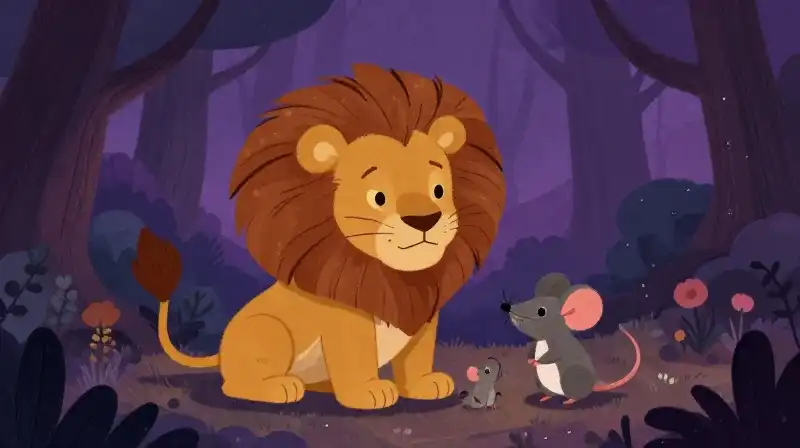
A powerful daily story collection relies on the strength of its source material. The tales included often carry profound symbolic weight, allowing them to teach lessons through metaphor rather than direct instruction. For instance, classic parables like “The Lion and the Mouse” use a small character to demonstrate the power of kindness and unexpected strength, a lesson that resonates deeply with young listeners [1]. Conversely, “Hansel and Gretel” explores themes of cleverness and survival against overwhelming danger, a tale whose dark elements must be read with parental guidance [1].
Many books also incorporate charming, fantastical creatures and whimsical characters, which serves to fuel pure, unadulterated imaginative play. When encountering characters from these classic 365 collections, look beyond their superficial roles: The Ugly Duckling, for example, is a story not just about appearance, but about the enduring nature of inner beauty and belonging [1].
How Classic Tales Function in the Bedtime Context
Certain tales and rhymes possess a specific frequency of calm that makes them ideal for the final stretch of the night. These selections often utilize simple, repetitive structures and soft, steady imagery. A 365 book provides a steady stream of such soothing content, which acts as auditory white noise, but with meaning. This ensures that even as the child drifts, they are surrounded by beautiful, purposeful storytelling.
Addressing Common Questions About Daily Storybooks
People often wonder about the suitability of 365 bedtime stories for their specific child, or how to choose the right version for their library. Here are the practical considerations:
What Age Group is 365 Bedtime Stories For?
The answer is broad but nuanced. While the content is suitable for a wide range of ages, the *method* of reading should be tailored. For infants, focus on the rhythmic, rhyming pieces; for toddlers, choose tales with clear, distinct animal or character actions like in “The Ugly Duckling”; and for older children, utilize the longer, continuous narratives or the classical folklore to discuss deeper thematic ideas [1]. The beauty of the 365 collection is that it has material to support your child’s developmental leaps throughout the years.
Choosing Your Magic: Classic vs. Modern Presentations
If you are seeking a specific aesthetic or feel for your nightly ritual, the physical presentation of the collection can define the experience. Some versions offer beautiful, high-quality illustrations that serve as “storytime keepsakes” [1], while others feature distinct nostalgic art, reminiscent of 1955-era classic storybooks [2]. This nostalgic quality is a deliberate design choice, invoking a sense of quiet, enduring domestic warmth. When selecting your book, consider whether you are prioritizing the crisp, vivid clarity of a modern illustration, or the softer, more faded charm of a bygone era’s art.
Creating Lasting Memories Through Reading
Ultimately, the value of a 365 bedtime stories book lies in the shared experience it facilitates. By committing to a consistent narrative, you are not just covering pages; you are creating a history of shared magic with your child. The combination of familiar archetypes (like those in “Hansel and Gretel”) and whimsical new worlds creates a safe yet expansive space for imagination. This practice actively encourages a lifelong love for stories, ensuring that the ritual remains a place of warmth, joy, and endless possibility.
Sources
- 365 Bedtime Stories and Rhymes — cottagedoorpress.com
- 365 Bedtime Stories — goodreads.com
Frequently Asked Questions
What age group is 365 bedtime stories for?
The content of these collections is suitable for a wide range of ages, but the reading method should be tailored to the child's stage. Infants benefit from the rhythmic, rhyming pieces, while toddlers should be given tales featuring clear, distinct animal or character actions. Older children can utilize the longer, continuous narratives or classical folklore to discuss deeper thematic ideas.
Related Articles