
Bear Bedtime Stories: Teaching Empathy Through Calm Narrative

Introduction
As children grow, the familiar shadows in a room, the rustle outside a window, or the deep roar of a perceived beast can transform into genuine sources of anxiety. The bear—that massive, rumbling symbol of untamed nature—often occupies the pinnacle of the childhood imagination, embodying both primal power and lurking threat. Yet, in the most effective children’s stories, the bear serves a far more nuanced purpose than simply being a monster to be vanquished. It becomes a thematic touchstone, a gentle foil that challenges us to move past the instinct of fear and cultivate the profound ability to understand another creature’s perspective. These tales do more than tell a plot; they teach emotional intelligence. They show us that sometimes the greatest act of bravery is not fighting a wild animal, but choosing compassion toward it. By looking at the varied ways bears appear in children’s literature, we can discover powerful narratives that don’t just entertain, but actively guide a child toward empathy, self-awareness, and a sense of emotional calm—all essential ingredients for a peaceful bedtime.
The Bear as a Mirror: Nature vs. The Domestic Disruption
 To understand the utility of the bear in bedtime stories, we must distinguish between two powerful literary archetypes. One is the *Wild Bear*, representing the beautiful, yet daunting, power of the untamed world; the other is the *Domestic Bear*, an entity that is disruptive and misunderstood within the safe confines of the home. By analyzing these two roles, parents and educators can find a rich spectrum of thematic lessons.
The Wild Bear and the Power of Empathy
In narratives featuring characters like Breeze, the wild bear is not a mindless force of destruction, but a creature whose complexity is explored through the protagonist’s internal state. Breeze’s ability to interact with the bear is not based on physical strength, but on a conscious, empathetic choice. Instead of fleeing in terror, she develops the capacity to imagine how the bear must feel [1]. This shift from instinct-driven fear to imaginative understanding is the core lesson of these stories. The wild bear, in this context, poses a philosophical question for the young reader: how do we balance the necessity of personal safety with the inherent value of connection to the natural world? By witnessing a child choose connection over isolation, the narrative models independent thinking and moral courage [1]. The wild bear thus transforms from a simple “scary creature” into a catalyst for ethical consideration.
The Domestic Bear and the Restorative Act of Calm
Contrast the quiet mystery of the woods with the localized, chaotic presence of a bear under the bed. In stories like *The Bear Under the Bed*, the bear is less of an elemental force and more of a deeply relatable problem. He is characterized by highly specific, domestic disruption: loud snoring, breathing so heavy it lifts the bed, and constant tossing and turning that causes a mess [2]. This domestic bear serves a vital function in the children’s emotional life: he externalizes common childhood anxieties (the noises in the night, the feeling of being watched, the difficulty settling down) and allows them to be handled in a structured, imaginative way. The conflict between the restless creature and the protagonist is resolved not through confrontation, but through precise, gentle communication. The narrator attempts to negotiate the issue (“If you could breathe just a smidge softer…”), treating the fantastical creature with measured respect rather than aggression [2].
The Art of Conflict Resolution: Narrative as a Pacifier
The most profound discovery within these stories is the direct, restorative power of narrative. The Domestic Bear’s volatile nature and his eventual calming are inextricably linked to the act of storytelling. The turning point in *The Bear Under the Bed* occurs when the human protagonist performs a deliberate, generous act: reading a bedtime story to the disruptive creature. This simple act succeeds in pacifying the bear, demonstrating a powerful correlation between comfort and regulation [2]. The structural resolution—the creature falling asleep after the narrator completes the story, finishing with “The end”—presents a concrete, tangible power of language to subdue even the most volatile being [2]. This teaches a sophisticated lesson about emotional regulation: that gentle, consistent, and loving narratives can counteract anxiety and disruptive internal states.
Practical Bedtime Strategies: Utilizing the Narrative Arc
For parents and educators looking for tools to calm a child at night, the lessons found in bear narratives offer highly actionable advice. The theme is always about choosing generative action over fear.
- **Acknowledge the Discomfort:** Like the narrative acknowledging the bear’s loud snoring [2], address the source of the anxiety directly. Naming the noise or the fear reduces its power.
- **Introduce a Comfort Object (The Stabilizer):** In the domestic version, the protagonist uses comforting objects (like a stuffed Goldilocks) as a grounding element [2]. Encourage the use of familiar, tactile anchors during story time.
- **Establish a Soothing Rhythm:** The resolution in these tales relies on a steady, low, and consistent rhythm of language and action [2]. A deliberate, slow reading pace mimics this natural rhythm.
- **Model Compassion:** Whether reading about a wild bear or a neighbor, modeling empathy—imagining the feelings of another, even an imagined creature—is the ultimate lesson in emotional intelligence [1].
Comparing the Bears: Wild vs. Domestic Archetypes
| Feature | Wild Bear ([1]) | Domestic Bear ([2]) | | :--- | :--- | :--- | | **Primary Role** | Symbol of nature’s untamed power; thematic symbol. | Embodiment of anxiety; source of physical disruption. | | **Thematic Focus** | Empathy, connection, independent thought. | Communication, patience, and restoration. | | **How Conflict is Solved** | Through conscious choice to understand and connect. | Through generosity and the restorative power of narrative. | | **Child’s Action** | Fearlessness rooted in imagination. | Gentle negotiation and comfort. |
Addressing Common Queries: Rhyme and Symbols
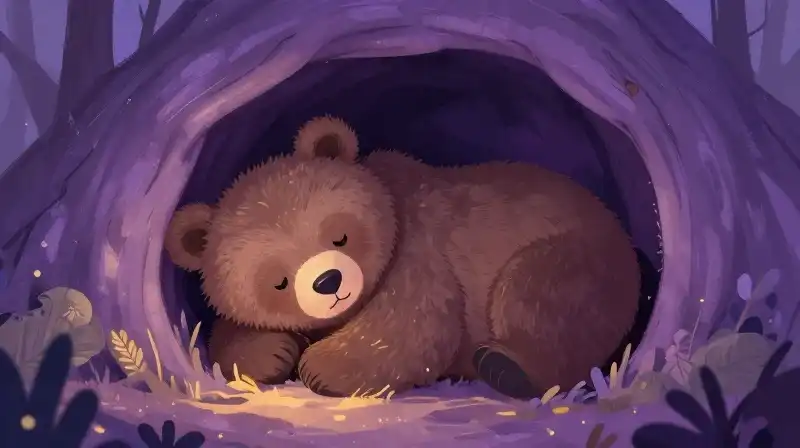
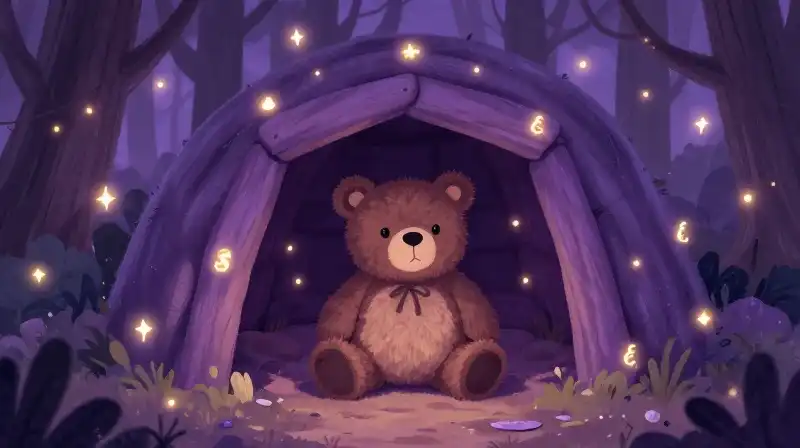 One common question from parents is, “What is the rhyme to remember bears?” While there is no single canonical rhyme for this specific theme, the enduring folklore surrounding bears often ties back to simple, rhythmic concepts of the wilderness and hibernation. Instead of seeking a specific poem, we can look at the *function* of the bear in the narrative: its size and power. Simple, repetitive verses often work best to establish a powerful, comforting rhythm without over-dramatizing the creature. Themes of deep sleep, the cozy den, or the quiet forest are universally soothing. Another useful search query, “Short story about bears,” often leads to narratives that use the bear as a powerful anchor for character development. When a child is anxious, the bear becomes a stand-in for their own big, “rumbly” emotions. The story’s job is to help them realize that even the largest emotions can be calmed and contained by gentle attention.
Why the Bear Matters in Bedtime Stories
The bear, in both its wild and domestic forms, functions as a perfect “emotional mirror” in children’s literature. By externalizing large, often scary, feelings—be it the primal fear of the woods or the physical turmoil of a restless night—the narrative provides a safe container for those big feelings. These bear tales are remarkable because they offer a pathway past fear and toward understanding. They demonstrate that connection—through imaginative empathy [1] or through the gentle, rhythmic act of storytelling [2]—is a more effective and gentler strategy than opposition. They remind children that in the quiet spaces of the night, the most powerful tool at our disposal is often simply a kind, comforting word.
Sources
- Bear of the Woods — storyberries.com
- Story The Bear Under the Bed by author Rolli ., available online since 5 years and 6 months — short-edition.com
Frequently Asked Questions
What is the rhyme to remember bears?
While the article notes that there is no single canonical rhyme for remembering bears, the enduring folklore often connects to rhythmic concepts of the wilderness and hibernation. Instead of seeking a specific poem, the text suggests focusing on simple, repetitive verses that establish a powerful rhythm, using themes of deep sleep or the quiet forest.
Related Articles