
Pinkneys Fairy Tale Art: How Modern Illustration Reimagined Classic Folktales

Introduction
Most of us know the characters of classic folktales: Brer Rabbit cunning, the Brer Fox sly, Brer Bear lumbering through the woods. These stories, rooted in deep cultural history, often felt like simple lessons passed down through generations. But when Jerry Pinkney and Julius Lester began their monumental work adapting these 19th-century African American animal folktales, they weren’t just illustrating old tales. They were constructing a visual manifesto, one that forced readers to look closer at how stories—and the stories we read—can shape and reflect the world around us.
Pinkney and Lester’s series stands as a vital bridge between historical folklore and modern reimagining. Their project takes familiar, and often problematic, characters and casts them into a richly detailed “legendary world of folklore,” [2] transforming simple narratives into intricate cultural statements. This article explores how their unique combination of prose and breathtaking illustration doesn’t just preserve childhood classics—it provides a powerful critical lens on the historical racism found in earlier versions of these tales, ultimately offering a more honest and layered experience for young readers and parents alike [2].
The Architecture of a Storybook: Visual Narrative and Style
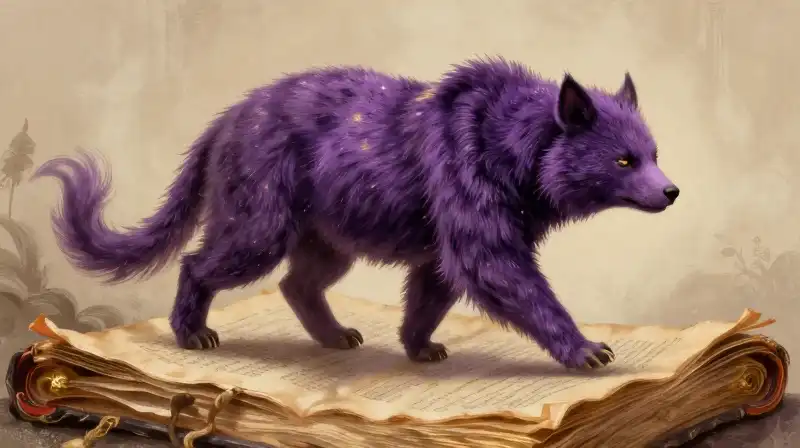 The brilliance of the Pinkney and Lester approach lies in its refusal to treat the animal characters as mere anthropomorphic props. Instead, they imbue the book with a tangible, living atmosphere. The artistic style creates a bustling, richly textured environment where the creatures exist in a world equal in complexity to any human setting. One of the most captivating visual elements is the presentation of the figures themselves.
Instead of being confined to a simple page, the creatures appear integrated into the very physical form of the book. By depicting animals, well-dressed and expressive, marching across book covers and spines [2], the series elevates the storybook from a mere object to a whole immersive environment. This technique uses the placement of the figures to visually fuse the “legendary world” into the physical structure of the storybook itself, suggesting that this realm is expansive, enduring, and always present.
Breaking the Fourth Wall: Character Awareness
Perhaps the most psychologically engaging artistic choice made in this series is the profound self-awareness granted to the characters. These are not just animals enacting a trope; they are characters who are fully cognizant of their surroundings, and often, of the audience itself. This shifts the dynamic from a one-way message to an interactive, living narrative.
This awareness is signaled through incredibly specific, evocative facial expressions. Consider the character of Brer Rattlesnake; his gaze is not passive but holds a direct, unwavering stare [2]. Conversely, the sidelong glances seen on characters like Brer Rabbit and Brer Fox suggest cunning and intelligence, or perhaps even a subtle acknowledgment of the observer’s gaze. These choices ensure that the reader is not just witnessing a tale, but encountering a living, breathing community of beings who are actively participating in their own history, offering a depth often missing in more simplistic versions of the folklore.
A Critical Perspective: Rectifying Stereotypes in Storytelling
The ultimate purpose of the Pinkney and Lester collaboration is one of vital historical reclamation. They did not simply recreate old folklore; they interrogated it. Early compilations of these tales, such as those by Joel Chandler Harris, frequently perpetuated harmful racial stereotypes [2]. By adapting the source material, Pinkney and Lester used their platform to directly challenge and rectify the racist undertones embedded in the original narratives.
The choice to depict these African American animal folktales with dignity, intelligence, and a richness of visual culture is an act of resistance. It provides a crucial historical context for modern interpretations of folklore, allowing contemporary readers to engage with complex traditions while recognizing the historical injustices they were based upon [2]. This approach means the stories become more than simple entertainment; they become educational tools for understanding cultural evolution and the importance of authentic storytelling.
Beyond the Aesop: The Scope of the “Legendary World”
This “legendary world” is not a whimsical, non-threatening forest. It is a place of deep, complex human traits expressed through animal archetypes. The series tackles themes of greed, loyalty, cunning, and resilience, grounding these concepts in a setting that feels both fantastical and deeply rooted in human experience. For parents and educators, this offers a wealth of material for discussion.
The breadth of the series allows for exploration across multiple thematic touchstones: from the sharp conflict between villains and heroes to the rhythmic quality of bedtime narratives. The settings—the rivers they travel, the paths they walk, the colorful locations—are not just backdrops; they are characters themselves, vital components of the overarching cultural tapestry that Pinkney and Lester so masterfully woven together [2].
For those seeking specific recommendations or more information on character designs, the meticulous detail in these illustrations highlights the beauty of ‘Fairy tale art for kids’ that is also sophisticated enough for ‘Folk Tales and Fantasy’ enthusiasts [2].
The Art of Engagement: Why This Matters for Children and Families
 For parents reading at bedtime or educators in the classroom, the enduring value of Pinkney and Lester’s work lies in its refusal to be dry. It is warm, deeply imaginative, and intellectually stimulating without ever being preachy. The careful calibration of the emotional weight of the stories allows a child to understand complex concepts—like the nature of trickery, the burden of a powerful desire, or the comfort of community—through vibrant and memorable imagery.
Instead of merely skimming a list of happy endings, children engage with nuanced characters and settings. This promotes genuine understanding. The tales offer color, depth, and ideas that families can actually use: discussions about fair play derived from Brer Rabbit’s antics, or meditations on the enduring power of family traditions seen in the more communal stories [2]. This is storytelling that doesn’t just entertain; it enriches the emotional and historical literacy of the young listener.
Ultimately, the work of Pinkney and Lester is a profound act of artistic and cultural service. It takes the raw, often compromised material of history and renders it into something vibrant, challenging, and beautiful. They invite us not just to read a tale, but to look deeper into how stories function, how they evolve, and how the art itself can demand a better way of seeing the characters within them [2].
It is an invitation to a literary world that is as rich in historical understanding as it is in dazzling color.
Sources
- Attention Required! | Cloudflare — art.com
- Folk Tales, Fairy Tales & Fantasy — carlemuseum.org
Related Articles