
Kings, Fairies, and Giants: The World of Irish Folk Tales

Introduction
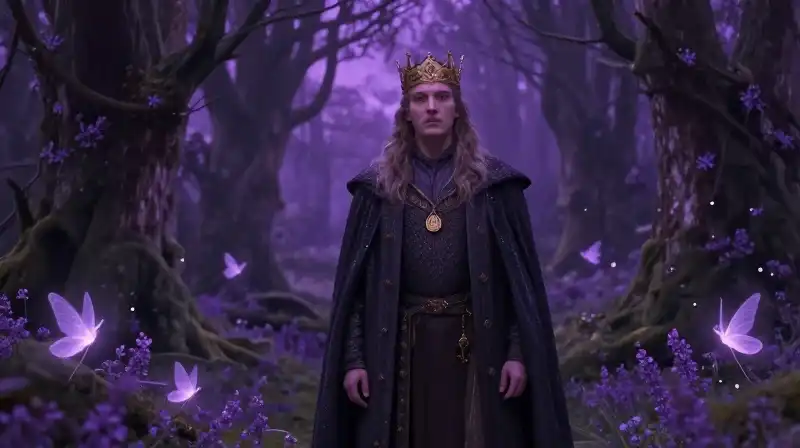
Close your eyes and picture a landscape woven not of simple green fields, but of misty moors where ancient magic sleeps. Irish folklore is a rich, swirling tapestry of these very worlds—places where a royal decree can be challenged by a talking giant, and where a clever peasant can outwit a powerful supernatural creature. This collection of stories, such as *A Treasury of Irish Fairy and Folk Tales*, invites us into a world of breathtaking scope, featuring approximately 210 tales and poems spanning nearly 750 pages [1]. These aren’t just whimsical flights of fancy; they are deeply resonant narratives centered on conflict, clever resolution, and the clash between the human spirit and the ancient powers that guard the land.
The Weight of the Crown: Kings, Queens, and the Archetype of Nobility
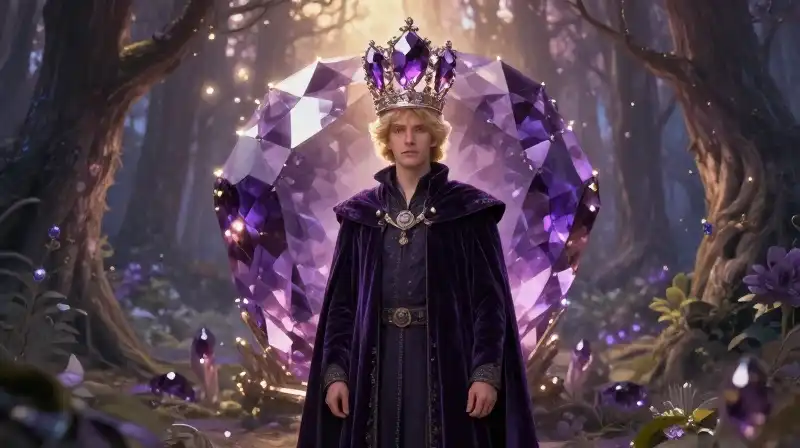 In the realm of Irish folk tales, the figures on thrones are rarely static. The collection pays special attention to “Kings, Queens, Princesses, Earls, and Robbers,” illustrating the noble figure not as a perfect, untouchable entity, but as a character navigating complex moral and physical challenges [1]. The great kings and princesses in these narratives often serve as focal points for larger societal or magical struggles.
The King as a Moral Crucible
A king in an Irish tale might be confronted by a quest, a betrayal, or a monstrous force that tests his judgment and courage. The moral takeaway is often that true power lies in cleverness and moral integrity, rather than brute strength.
- The Testing of the Heir: Many stories place royalty in situations where they must overcome a problem, demonstrating that the crown requires wisdom just as much as lineage [1]. This makes them powerful models for children, showing that leadership and strength are earned through virtue.
- The Role of Conflict: Whether the conflict comes from rival nobles or a fierce magical opponent, the noble figure’s journey is typically designed to lead to a clear, defined resolution [1]. This structure provides a sense of narrative satisfaction for the young reader, assuring them that even the deepest problems can be solved.
The Murmur of Magic: Fairies, Elves, and the Old World
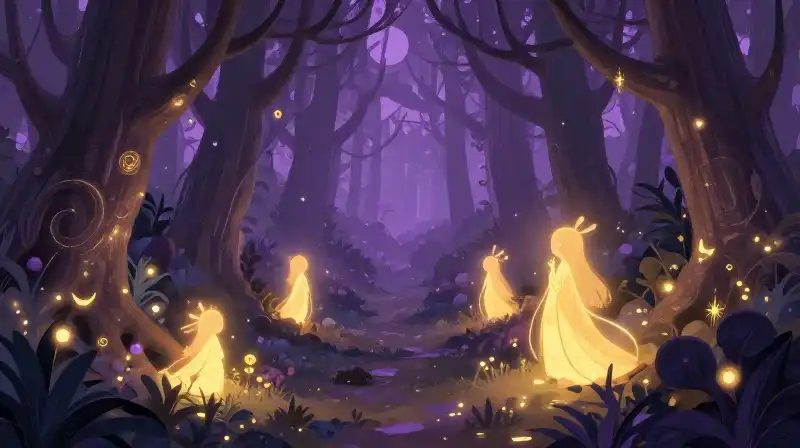
The fairies and elves in the Irish tales are not merely pretty, gossamer beings; they embody the wild, untamed magic of the island. They are part of a pervasive “old style” atmosphere within the literature, contributing to a sense of timeless, deep-rooted tradition [1]. These creatures are often linked to the land itself, representing forces that exist outside of human understanding and law.
Fairies as Agents of Change
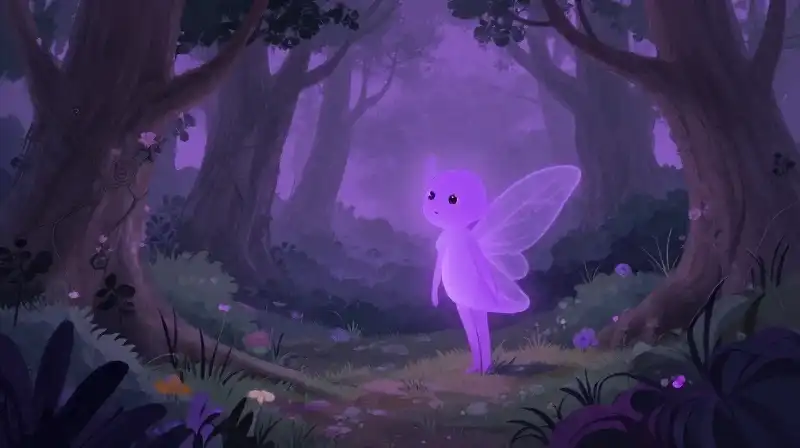
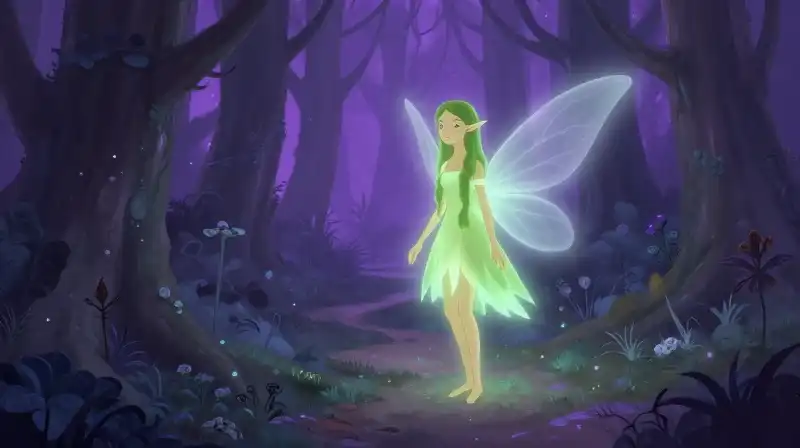
Unlike modern Disney versions, the Irish sprites often operate with a complex code of ethics. They can be benevolent, granting assistance, or mischievous, disrupting the order of the mortal world.
| Creature Type | Role in the Tale | Impact on the Reader |
|---|---|---|
| The Pixie/Fairy | Guiding or misleading the protagonists; symbolizing the unpredictable nature of the natural world | Encourages a sense of wonder and respect for the unknown. |
| The Troll/Giant | The embodiment of raw, overwhelming force or natural challenge | Introduces elements of danger, which helps frame the heroic actions of the protagonists. |
| These characters, along with the vast collection of folk types, anchor the narratives in classic archetypes that appeal to a reader with a “fair ability to read” [1]. |
The Forces of Nature: Giants, Trolls, and Primal Conflict
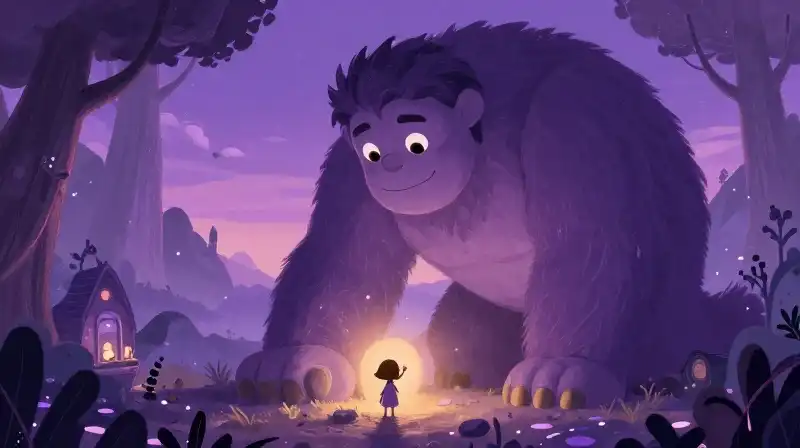 Giants and Trolls represent the monumental, sometimes terrifying, scale of the world’s problems. They are forces of nature personified—massive, powerful, and often indifferent to the smaller dramas of human court life. They require a solution that is often cerebral and cunning, rather than a physical brawl.
Facing the Immeasurable
The giant is a useful narrative device for exploration. In the context of Irish storytelling, when a character must face such a figure, the focus is almost never on the giant’s brute force, but on the hero’s ingenuity. This thematic core of using a “clever solution” to overcome insurmountable obstacles is a hallmark of the collection [1]. This is a valuable lesson for any child: true courage sometimes means thinking outside the box.
Navigating the Narrative: Tips for the Storyteller and Reader
The beauty of *A Treasury of Irish Fairy and Folk Tales* lies in its structure and the quality of its prose. Its short story format is highly practical for daily reading, allowing children to follow the plot without the intimidation of a long epic [1].
Selecting the Right Tale for the Moment
The varied nature of the collection allows for tailored reading experiences, making it excellent for both bedtime and educational settings.
- For Gentle Bedtime: Look for tales where the conflict is managed through wisdom rather than violence. The resolution often involves a clever solution, which can be soothing as it suggests that order and justice will always prevail, even after a magical upheaval [1].
- For Educational Analysis: Utilize the focus on nobility and conflict. Chapters detailing “Kings, Queens, Princesses, Earls, and Robbers” [1] provide excellent material for discussions on leadership, consequence, and the balance of power within a society.
- When Seeking Deeper Myth: For a more comprehensive or direct immersion into the myths, readers may consider works like Marie Heaney’s *Over Nine Waves* or Jeffrey Gantz’s translations [2].
The Enduring Resonance of Irish Folk Lore
The figures of kings, fairies, and giants in Irish folk tales are more than just colorful characters; they are mirrors reflecting the deep-seated human need for order, for magic, and for justice. Whether dealing with the immense presence of a giant or the subtle, magical influence of a fairy, these stories teach a fundamental lesson: the most effective power is not always physical, but the quick thinking, the moral clarity, and the heart that refuses to give up. They offer a rich well of “stories, colors, and ideas” that empower children to see the familiar world through an imaginative and deeply nuanced lens, ensuring that the magic of the tales lingers long after the book is closed.
Sources
- A Treasury of Irish Fairy and Folk Tales — goodreads.com
- Irish Mythology Books.(is there a diffrence between these books?) : r/mythology — reddit.com
Related Articles