Banshees and Fair Folk: Discover the Magic of Irish Folklore

Introduction
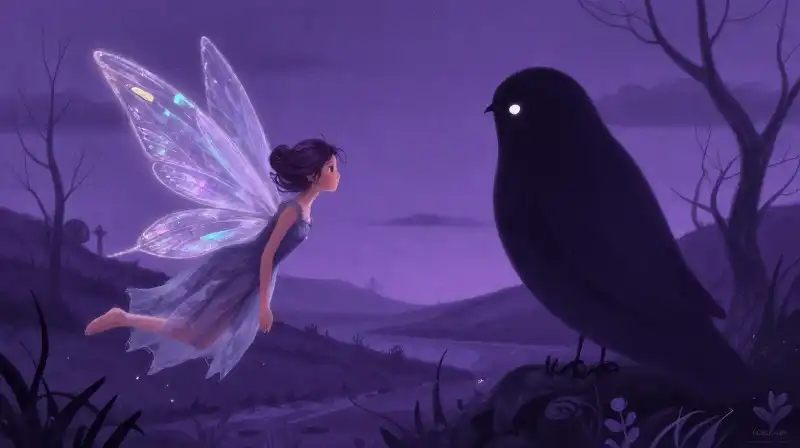
Imagine the sharp, unforgettable cry of a Banshee echoing across the emerald hills of Ireland, a sound that doesn’t warn of a distant danger, but of an impending change. Contrast that haunting sound with the whispered rustle of silk and moss—the silent, glittering footsteps of the Fair Folk, who are said to drift through fields unnoticed. Irish folklore is a rich, vibrant tapestry woven from the everyday lives of those who lived close to the land, capturing the wildness of the natural world and the mystery of the unseen. Rather than simply being a collection of spooky tales, the myths documented by W. B. Yeats are profound reflections of Irish cultural heritage and the enduring relationship between the common people and the supernatural [2]. For parents and educators, these stories offer far more than simple thrills; they provide material for understanding identity, fate, and the beauty found in the smallest details of life.
The Peasant’s Perspective: W. B. Yeats and the Living Tradition
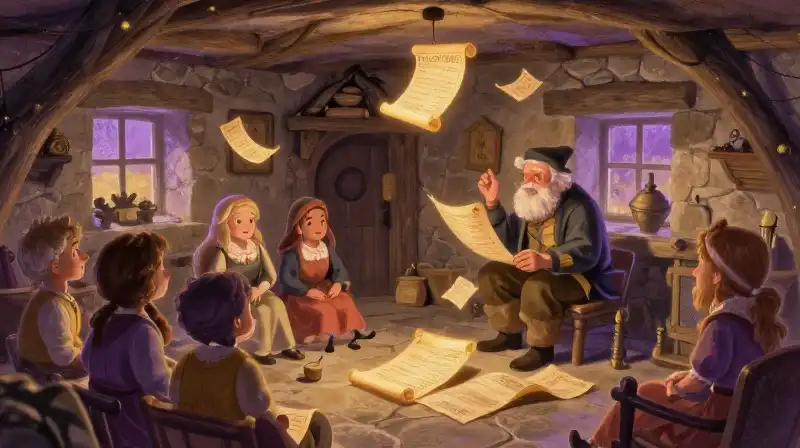
W. B. Yeats, a pivotal figure in Irish literature and cultural nationalism, meticulously collected and preserved the oral traditions of his people. His seminal Fairy and Folk Tales of the Irish Peasantry, first published in 1888, is the source of countless stories, from the fearsome to the whimsical [2]. It is crucial to understand that these tales are rooted specifically in the perspective of the Irish peasant—the common folk whose lives and landscapes were intimately intertwined with the mythical world. Yeats himself emphasized that these stories are not mere “historical relics,” but rather “living traditions that continue to shape the Irish imagination” [2]. By capturing these narratives, he ensured that the voices of the people remained prominent and profound, providing a deep dive into the mystical occurrences that inhabit the traditional Irish countryside [2].
A Unique Sound: Capturing the Soul of Ireland
One of the collection’s most compelling features for the reader is the way Yeats handles the language itself. His use of phonetic English successfully captures the musicality and inherent charm of the Irish language, transporting the reader directly into the atmosphere of the traditional setting [2]. For those seeking the original, authentic feel of the tales, this linguistic approach provides a tangible connection to the cultural independence Yeats championed [2].
The Banshee: Herald of the Threshold
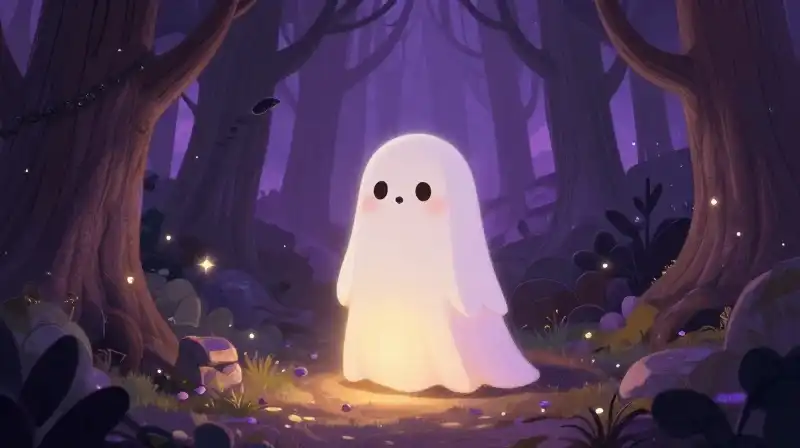
Few figures in Irish folklore are as universally recognized or as immediately striking as the Banshee. The Banshee, often known in Irish as the Bean-Sí, is not a creature that acts out of malice, but rather one that functions as a powerful herald of fate. She is less a spirit to be frightened of and more a sign that a person has crossed a threshold, be it the boundary of health and life, or the end of an era.
The nature of the Banshee is tied deeply to the Irish cultural understanding of transition. Her cry is not simply a scream; it is a specific, haunting sound that announces the arrival of death or profound change. This makes her a crucial, albeit terrifying, symbol of inevitability. While she can be a terrifying figure for children who fear the unknown, her existence within the folklore serves as a profound meditation on life’s natural cycles.
The Fair Folk: Shimmer and Shifting Allegiances
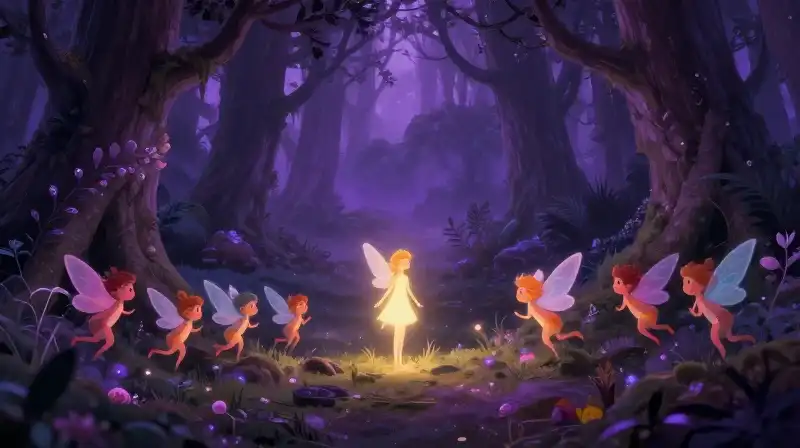
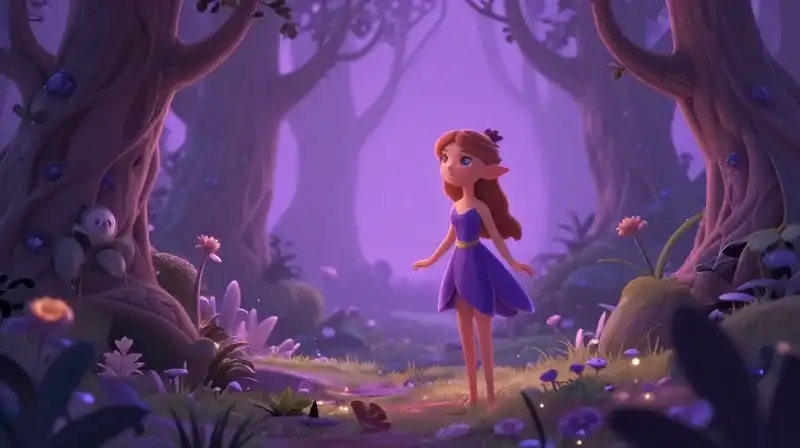
Unlike the singular, fateful presence of the Banshee, the Fair Folk—or the Sí—encompass a wide, fascinating spectrum of supernatural beings. These creatures embody the unpredictable magic of the wild and represent the constant, thrilling tension between the human world and the mystical realm.
Yeats’s collection offers distinctions crucial for creators, authors, and educators to use:
- The Trooping Fairies: These are often associated with vibrant community and movement, tied to specific festivities and seasonal changes. They represent the communal, lively side of Irish folklore.
- The Solitary Fairies: In contrast, these beings are often more enigmatic and solitary. They reflect the deep, mysterious qualities of the wilderness and the hidden nature of Irish places.
When exploring these tales, you might find examples that include changelings, witches, and various mystical helpers. These characters, alongside the more terrifying aspects of the supernatural—such as ghosts or even the Devil—contribute to a complex, multi-layered view of the mystical world [2].
Myth, Meaning, and the Modern Reader
To understand the folklore of the Irish peasantry, one must grasp the symbols at play. These creatures are not random inventions; they are crystallized human observations about their world.
| Feature | Banshee (Bean-Sí) | Fair Folk (The Sí) | Cultural Function |
|---|---|---|---|
| Nature | Herald of Death | Ambiguous/Wild | Encourages contemplation of fate and transition |
| Action | Sing/Cry (Specific, audible signal) | Move, Appear, Change | Represents the unpredictability of nature and magic |
| Associated Themes | Mortality, Fate, Destiny | Wilderness, Community, Mystery | Grounds the spiritual in the natural landscape of Ireland |
The narratives in Fairy and Folk Tales of the Irish Peasantry thus provide a comprehensive exploration of the spiritual and mystical dimensions of the land, serving as a historical document of both culture and spirituality [2]. This focus on the “mystical and supernatural” elements makes the material rich for educators looking to teach cultural identity and local heritage.
Bringing Irish Lore to Bedtime: A Parent’s Guide
How do parents and educators use these vibrant, often intense, characters in modern storytelling? The key is to look past the jump scares and see the deep symbolic meaning behind the tales.
Focus on the Fair Folk for Gentle Wonders
For younger children, the Fair Folk offer a fantastic opportunity to introduce the concept of a hidden magic in the world. Instead of focusing on their mischievous or elusive nature, you can focus on their vibrancy—the “colors, creatures, and ideas” they inspire. Discuss their potential for friendship and their beauty found in nature. This shifts the focus from the uncanny to the marvelous.
- Engagement Idea: Ask your child to imagine what it would look like to see a Trooping Fairy near your front garden. Focus on the sounds (laughter, rustling) and sights (shimmer, flowers).
Using the Banshee for Deep Conversation
The Banshee is a more complex figure, but she can be used to spark powerful, calming conversations about acceptance and change, which is perfect for contemplative bedtime moments. You might frame her cry not as a threat, but as a signal that something in the world is changing, like a season shifting or a big adventure beginning.
- Bedtime Technique: Instead of the sound being terrifying, let it be the start of a narrative. “The Banshee’s cry meant the end of a long summer, which meant the beginning of autumn’s beautiful sleep.” This reframing allows the power of the tale to promote a sense of acceptance and emotional maturity.
Beyond the Tales: The Enduring Irish Identity
The enduring power of Yeats’s collection lies in its role as a testament to cultural independence and spiritual depth. These stories celebrate the Irish peasant’s connection to the “lives, traditions, places, and magic” that surrounded them [2]. By exploring the Banshee’s warning and the Fair Folk’s mystery, children are not just learning about a myth; they are engaging with a foundational piece of the world’s human imaginative history. They are discovering that the world is richer than the stories we write ourselves, brimming with the ghosts, magic, and music of the past.
Sources
- Fairy and folk tales of the Irish peasantry : Yeats, W. B. (William Butler), 1865-1939 : Free Download, Borrow, and Streaming : Internet Archive — archive.org
- Fairy and Folk Tales of the Irish Peasantry — warblerpress.com
Frequently Asked Questions
What is the fairy and folktales of Irish peasantry?
These tales are foundational narratives that capture the wildness of the natural world and the mystery of the unseen, rooted in the lives of the Irish peasant. They serve as profound reflections of Irish cultural heritage, providing a comprehensive exploration of the spiritual and mystical dimensions of the land.
What is the fairy and folk tales of the Irish peasantry by W. B. Yeats?
W. B. Yeats collected and preserved the oral traditions of his people in his seminal work, *Fairy and Folk Tales of the Irish Peasantry*, published in 1888. He emphasized that these narratives are 'living traditions' that continue to shape the Irish imagination and provide deep insight into the traditional Irish countryside.
What are fairy people called in old Irish stories?
The fairy people are generally known as the Fair Folk. In Irish, they are referred to by the term *Sí*, and they represent a wide, fascinating spectrum of unpredictable supernatural beings.
Related Articles