The Flower Fairies: How Nature and Magic Meet in Classic Childrens Art

Introduction
Close your eyes and think of a garden where the leaves whisper secrets and the dew holds not just water, but a concentrated spark of ancient magic. Before the grand, sweeping epics of classic folklore, there was a different kind of enchantment—one rooted firmly in the quiet detail of the earth. This is the world of the Flower Fairies, a collection of gentle, whimsical beings brought to life by Cicely Mary Barker. Their charm lies in a beautiful, almost defiant marriage: they are not merely fairy archetypes, but miniature reflections of the world around them, blending botanical accuracy with pure, untamed wonder [1]. For parents and educators seeking a way to bridge the gap between the concrete reality of a children’s classroom or bedroom and the limitless possibilities of imagination, the Flower Fairies provide a profound starting point—a magical study in how to find the extraordinary within the ordinary.
The Grounded Magic: Where Nature Meets the Nursery
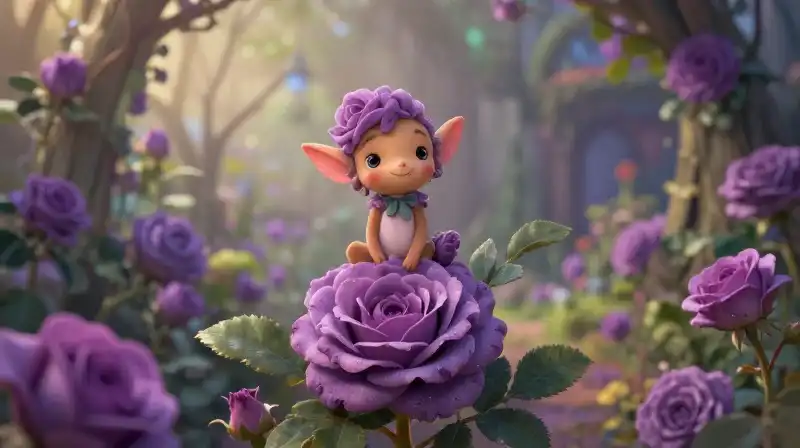
What makes the Flower Fairies so uniquely comforting and enduring? Unlike mythical beasts plucked from clouds or the deep sea, Barker’s creatures are wonderfully, delightfully anchored in reality. She drew inspiration from real children attending her sister’s nursery school [1]. This intimate connection gives the characters an inherent authenticity that transcends the typical fantasy creature. They exist in a world rich with observable details—the precise curve of a rose, the velvety texture of a petal, the intricate pattern of a leaf. By grounding their magic in this tender precision, Barker invites the reader to see the wonder hiding in the meticulously crafted details of nature [1].
This dedication to botanical accuracy is not merely aesthetic; it is a narrative tool. When the flowers have specific characteristics and the fairies reflect those characteristics, the story becomes a living study of nature itself. This approach provides a visual and imaginative anchor that allows children to engage with the complexity of the natural world while feeling the comforting presence of fantasy [1].
The Inner World of the Fairies: Roots and Resonance
Each Flower Fairy is a unique personality, and their stories often unfold through specific verses or poems dedicated to them, giving them a personalized, intimate quality [1]. These short, focused narratives allow for a deep dive into a single character’s disposition or relationship with a specific plant or scene. This structure is incredibly effective for bedtime, allowing a child to immerse themselves fully in one small, perfect world. The appeal of these detailed, reality-based characters lies in their ability to tap into an innate human sense of wonder and curiosity [1].
| Element | Description | Impact on Reader/Child |
|---|---|---|
| Botanical Accuracy | Fairies are based on real plants and nature. | Grounds the magic in the observable, making the fantasy feel trustworthy and real [1]. |
| Narrative Structure | Individual verses or poems are dedicated to each character. | Provides a gentle, personalized storytelling element that is soothing for bedtime routines [1]. |
| Origin | Inspired by children and the natural world of a nursery. | Establishes a warm, relatable connection, inviting the reader into a genuine, gentle world [1]. |
A Study in Detail: Willow and the Pursuit of Gentleness
When searching for a particular creature, like the Willow fairy, we are looking for a character who embodies a specific aspect of the natural world—one that typically evokes stillness, reflection, and soothing grace. The Willow itself is a symbol of resilience and gentle melancholy, and the fairy associated with it often carries these quiet, deep-rooted qualities. The poetry of the Flower Fairies often captures this delicate balance, painting scenes of nature that invite quiet contemplation [1].
For educators or parents, understanding the Willow fairy as a representation of the reflective, calm aspect of nature allows for powerful discussion about resilience. Unlike fairies tied to the bright, blooming energy of a peony, the Willow fairy offers a gentler pace, making them a perfect focal point for calming activities or discussions about quiet strength.
Translating Wonder: The Art of Permanent Magic
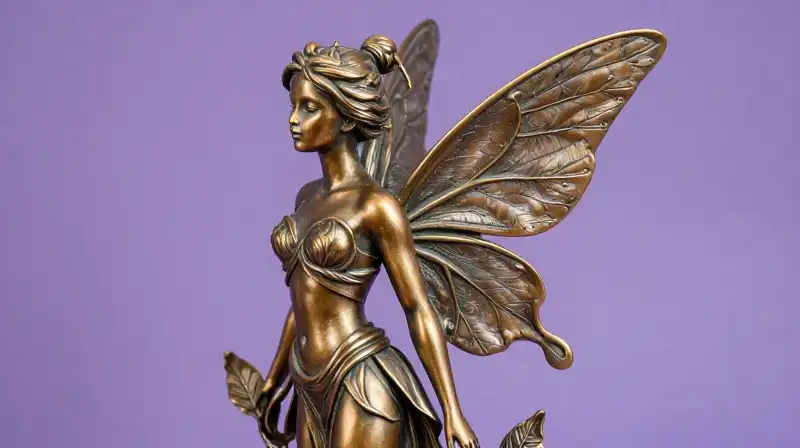
The aesthetic brilliance of the Flower Fairies has transcended paper and ink. These whimsical beings have found their way into modern fiction, notably in series like the New York Times bestselling Fairyopolis [1]. They have also been translated into tangible, permanent sculptures, allowing the fragile beauty of the illustrations to exist forever in three dimensions. This translation highlights how the enduring nature of folklore itself can be mirrored in the materials chosen to immortalize the art [2].
For artists looking to capture this delicate blend of life and fantasy in physical form, the choice of material is critical. Hot cast bronze is often the premium choice for creating high-quality heirloom sculptures, leveraging the traditional lost wax process to ensure a rich, lasting finish [2]. The very weight and permanence of bronze suggest a sense of timelessness, perfectly aligned with the enduring quality of classic children’s tales [2].
Materials for Miniature Magic: Technical Considerations for Sculptors
While the inherent beauty is the focus, technical nuances matter when reproducing these delicate concepts. Sculptors must consider the properties of the casting material. For instance, hot cast bronze is noted to be approximately 3% smaller than its cold cast counterpart [2]. Furthermore, while cold cast bronze (or bronze resin) offers a more accessible option for many, it requires the same careful handling and care as ceramic due to its lighter and generally less durable nature [2]. These details remind us that even magic requires careful crafting and attention to detail to last a lifetime.
The Flower Fairies thus become a perfect inspiration for any project—be it a bedroom display, a classroom diorama, or a literary analysis—because they demonstrate how a simple, botanically accurate observation can elevate a child’s imagination into an enduring, rich narrative experience [1].
A Guide for Parents and Educators
Bringing the Flower Fairies into your world doesn’t require complex lessons; it requires simple, sensory engagement. Here are ways to use the grounded magic of Cicely Mary Barker’s world at home or in the classroom:
- Bedtime Sensory Grounding: Focus on the stillness of a specific fairy, like the Willow fairy. Use the quiet, reflective nature of the story to model peaceful breathing and stillness, helping the child transition from the day’s energy into restful sleep.
- Observation Scavenger Hunts: Use the concept of botanical accuracy. Take a walk and ask the child to find a leaf with the same “intricate pattern” as one of Barker’s drawings. This links the fairy’s world directly to the physical world outside the window.
- Character Connection through Color: Use the specific color palette of the fairies (velvety greens, soft petal pinks, mossy browns) to discuss how different colors evoke different feelings, helping children connect sensory input to emotional response.
- Narrative Personalization: Instead of just reading the tales, ask the child: “If you were a tiny fairy, which flower would be your home and why?” This simple question encourages personal identification and deep engagement with the theme of nature.
Synthesis: The Enduring Power of Specificity
What makes the Flower Fairies truly remarkable is their refusal to be generalized. They remind us that the deepest magic in a story rarely comes from a sudden flash of impossible power; instead, it blooms softly from a deep appreciation for the reality of the small things. By marrying tender fantasy with rigorous botanical detail, Cicely Mary Barker did more than illustrate fairy tales—she created a profound lesson in seeing the marvelous. For children, this blend of grounded observation and gentle enchantment provides not just entertainment, but a soothing, imaginative framework that allows them to find the light and wonder even in the quiet corners of their own lives.
Sources
- Flower Fairies — flowerfairies.com
- Garden Water Feature — robertjamesworkshop.com
Frequently Asked Questions
Who is the fairy in Willow?
The Willow fairy is a unique character who embodies stilless, reflection, and soothing grace. The Willow plant itself is noted as a symbol of resilience and gentle melancholy, which the fairy carries in its quiet, deep-rooted qualities.
Is Willow a fairy name?
The article refers to the character as the 'Willow fairy,' which suggests a descriptive association with the plant rather than a personal name given to the creature. This character represents a specific aspect of the natural world, focusing on stillness and reflection.
Related Articles