Irish Fairy Tales: Exploring Banshees, Heroes, and Ancient Magic

Introduction
The air in Irish folklore doesn’t just hold stories; it holds mist, the salt of the Atlantic, and the echo of ancient spells. Far more than simple tales of good vs. evil, Irish myths are a complex tapestry woven from personal sorrow, divine whims, and the subtle, dangerous shift between what we perceive as real and what is genuinely magical. For parents and educators looking for material that offers true imaginative depth, the “other side” of these stories—the places and creatures just beyond the veil—offers a profound well of insight into human destiny and the wild heart of the world. These tales teach us that magic can be found in a churn of butter or the sorrow of a single cry, and that the most formidable heroes are often the ones who must master the limits of the natural world.
The Landscape and the Other Side: Blurring the Boundaries
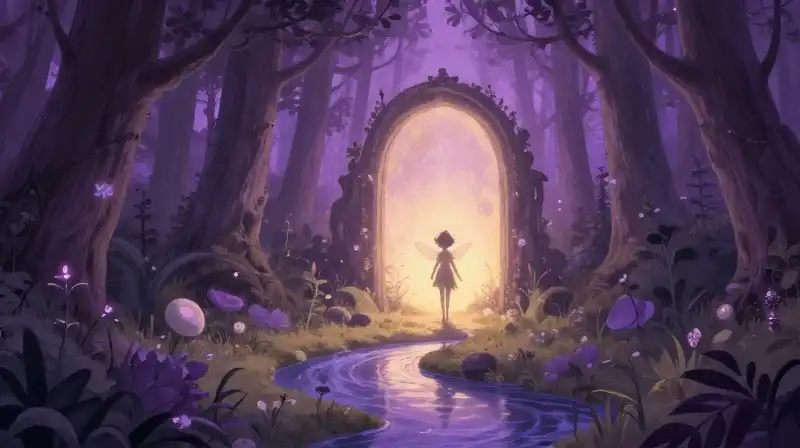
In Irish storytelling, the physical world is deeply porous. The landscape itself—the winding rivers, the dense forests, the hidden glens—acts as a character, infused with a vibrant, sometimes mischievous, life [1]. This focus on a world that is intrinsically magical allows children to explore the idea of “the other side.” This isn’t always a dark, scary void; often, it is a world of beautiful, unpredictable enchantments.
Faeries and the Threshold
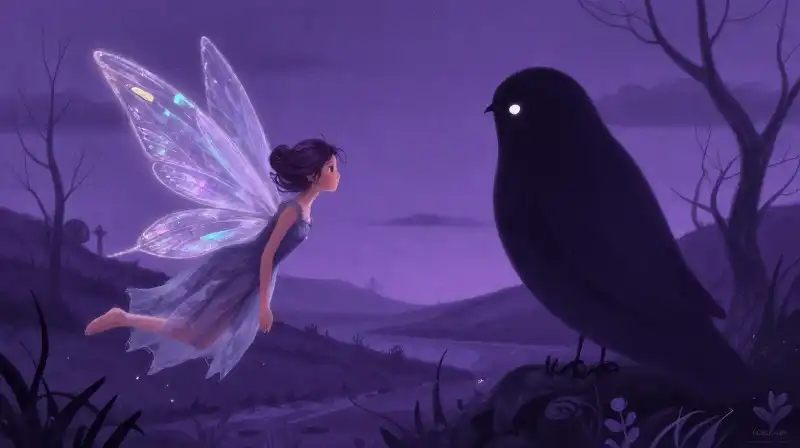
The Cave Fairies and other mischievous supernatural inhabitants are central to exploring this transition. Stories like *The Child that went With the Fairies* serve as gentle entry points for discussing the thin line between our human reality and the mystical one [1]. These narratives allow children to process the concept of belonging to multiple worlds, offering a rich, imaginative context for discussing transition or the unknowable.
Shapeshifting and Instinct
The dynamic between man and creature is often fascinatingly primal. Tales involving specific “Creatures of the Were: The Hare” and “Creatures of the Were: The Wolves” introduce children to the themes of instinct, transformation, and the boundaries of the soul [1]. These stories are excellent for discussion on natural cycles and the tension between wild, ancient impulses and civilized behavior.
The Echoes of Fate: Banshees and the Weight of Sorrow
When you look at Irish folklore, you cannot overlook the presence of figures defined by the weight of destiny. The Banshee, perhaps the most famous of the supernatural entities, is a potent symbol of sorrow and prophecy [1]. Her role—to herald grief—provides a poignant, emotional entry point for discussing complex human feelings like loss and foreknowledge.
Instead of simply being a ghost, the Banshee represents the unavoidable reality of fate. Analyzing her allows a conversation about destiny and consequence, teaching children that even in a magical world, life holds moments of unavoidable gravity. This specific example provides a dramatic, albeit emotional, anchor for bedtime discussions about the cycle of life and the natural end of things [1].
Magic in the Everyday: Enchantment and Transformation

One of the most charming elements of Irish tales is the capacity for “low-stakes” magic—the enchantment of the ordinary. In these stories, magic isn’t just found in sorcerer’s towers; it is hidden in humble objects. This can be a wonderful way to illustrate how potential for extraordinary things can be present in our regular lives.
The Bewitched Objects
The narratives *The Bewitched Churn* and *Bewitched Butter* exemplify this theme perfectly [1]. These tales suggest that even the mundane—a churn or a simple bowl of butter—can possess a hidden, ancient magic that shifts the course of a life. For an educator, these stories are powerful tools for discussing the hidden wonder in the routine, or for sparking imagination in a classroom setting.
The Ancient Archetype: Heroes, Villains, and Destiny
Irish myth is rich with heroic figures who navigate impossible tasks and face overwhelming power. These characters embody the spirit of courage, destiny, and the struggle against immense odds, providing excellent material for high-stakes storytelling.
The Noble King and His Son
Archetypal heroes appear as figures like Art the king’s Son and Balor Beimenach, or Ciad, Son of the King of Norway [1]. These characters are not just mighty; they represent the conflict between individual strength and cosmic destiny. Their journeys emphasize resourcefulness and the burdens of leadership, providing powerful role models for children wrestling with their own sense of duty and responsibility.
The Face of Formidable Antagonism
When exploring the concept of villains, the mythological Balor figures offer a unique study in power. Tales such as *Balor of the Evil Eye* and *Balor of Tory Island* present antagonists who are not merely evil for petty reasons but who possess terrible, formidably powerful abilities [1]. These figures allow children to engage with the concept of true, epic conflict and the idea of facing a formidable obstacle with intelligence rather than just brute force.
Navigating Morality: Duty, Cleverness, and Consequence
While the fantastical elements are thrilling, Irish tales are also deeply concerned with ethics. They are not just magical adventures; they are often narratives of consequence, where actions have defined outcomes. This provides clear, narrative-driven lessons on moral duty.
Stories like *The Bad Stepmother* and *The Cleverness of Mortals* demonstrate this balance [1]. The contrast between the malice of a character (like the bad stepmother) and the ingenuity of the protagonist (the clever mortal) provides a clear framework for discussing ethics—showing that wit and virtue can successfully challenge even the darkest forces.
Familial Dynamics and Social Hierarchy
Domestic tales also illuminate social structures and personal trials. Stories such as *The Countesses Kathleen O’Shea* and *The Apprentice Thief* offer insight into familial struggles and the complexities of social hierarchy within traditional settings, allowing for discussions about fairness and social dynamics [1].
How to Use Irish Fairy Tales in the Classroom or Bedtime
To make these stories truly impactful, it is helpful to understand the traditional collecting methods used to preserve them. Educators can utilize the work of collectors like Patrick Kennedy, who gathered legendary fictions [1], or Seumas MacManus, who focused heavily on fairy stories [1]. This historical context adds academic rigor while keeping the tales vibrant.
Suggested Thematic Engagement
When selecting stories, consider the specific lesson or mood you wish to evoke:
- For High Stakes and Courage: Choose “Hero-Tales” like *The Black Thief and King Conal’s Three Horses*, which emphasize epic journeys and resourcefulness [1].
- For Exploring the Unknown: Use mystery stories like *Daniel Crowley and the Ghosts* or *The Black Cloud*, which introduce the concept of the unexplained in a safe, imaginative environment [1].
- For Gentle Bedtime Soothing: Look for tales that highlight the blurred line between the known and magical, such as *The Child that went With the Fairies*, focusing on the peace of transition rather than fear.
- For Debating Virtue: Contrast characters in *The Bad Stepmother* with the clever protagonists of *The Cleverness of Mortals* to engage students in an ethical discussion [1].
Conclusion: Why These Tales Still Matter
Irish fairy tales are remarkable because they view the world not as a series of rules to be obeyed, but as a living, breathing ecosystem of possibility. By examining the Banshee, the humble churn, and the fierce hero together, we see that these stories invite children to engage with the world fully—with its shadows, its extraordinary potential, and its deep-rooted sense of place. They are powerful tools for fostering curiosity, respecting the ancient rhythms of nature, and understanding that the greatest magic often lies in the heart, whether that heart belongs to a clever mortal or a sorrowful, prophetic creature.
Sources
- List of fairy tales — en.wikipedia.org
Frequently Asked Questions
What are folk and fairy tales?
Irish myths are described as a complex tapestry woven from personal sorrow and divine whims. They offer true imaginative depth by exploring themes of human destiny and the wild heart of the world.
What are the famous folk and fairy tales?
The article mentions several specific tales, including *The Child that went With the Fairies*, *The Bewitched Churn*, and *Balor of the Evil Eye*. Other examples referenced for discussion include *The Bad Stepmother*, *The Cleverness of Mortals*, and *The Black Thief and King Conal's Three Horses.
Related Articles