H2O Mermaid Tails: Unveiling the Magic of Mako Islands Secret World

Introduction
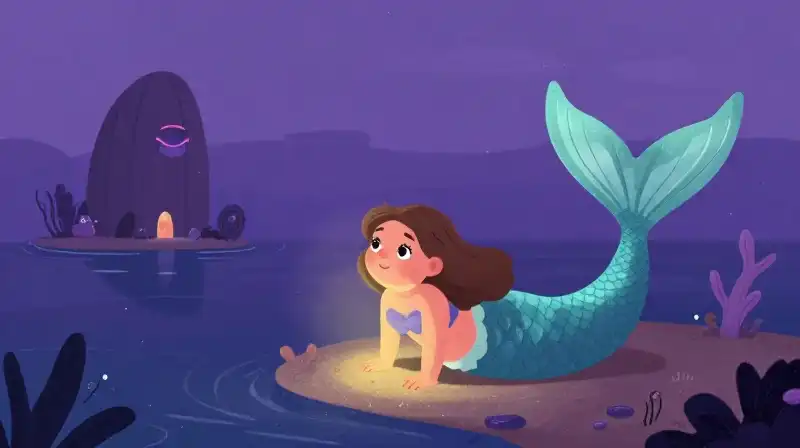
Beneath the turquoise waves of Mako: Island of Secrets, a world pulses with a vibrant, hidden life. For young readers and story lovers, the tales emerging from this aquatic locale are as captivating as any classic fairy tale. They weave together the familiar drama of human friendship with the profound mystery of a world submerged in magic. Central to this fantastical narrative are the mermaid tails—not merely costume elements, but powerful visual anchors for the themes of transformation, identity, and the secrets that lie just beneath the surface of reality. If you are seeking to understand the visual language of these mythical merpeople or explore the vibrant setting they inhabit, step into the depths of Mako.
The Lore of Mako: Where Two Worlds Meet
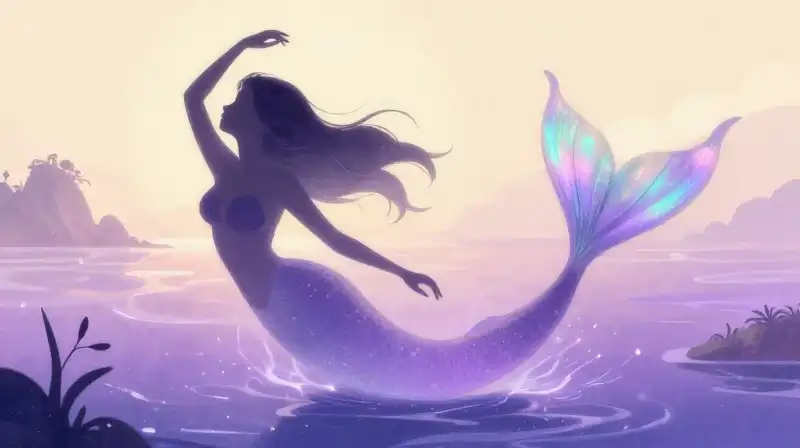
Mako serves as the narrative core for the series *H2O: Just Add Water* and its adventures. It is a mysterious island, a place defined by its secluded nature and its powerful connection to the magical creatures it hosts [1]. This setting is crucial because it is the literal boundary between the human world and the submerged world of merpeople. The lore ties the island itself to the presence of these magical beings, creating a rich tapestry of hidden secrets and powerful natural forces.
The Element of Transformation
The most iconic element of Mako’s inhabitants is, of course, the tail. These tails are the physical manifestation of the merfolk’s true nature. The narrative frequently contrasts the characters’ human forms with their magical identities, highlighting a fundamental theme: the concept of secret identities and the hidden magical realms that coexist alongside our own [1].
Unveiling the Magic: The H2O Tails
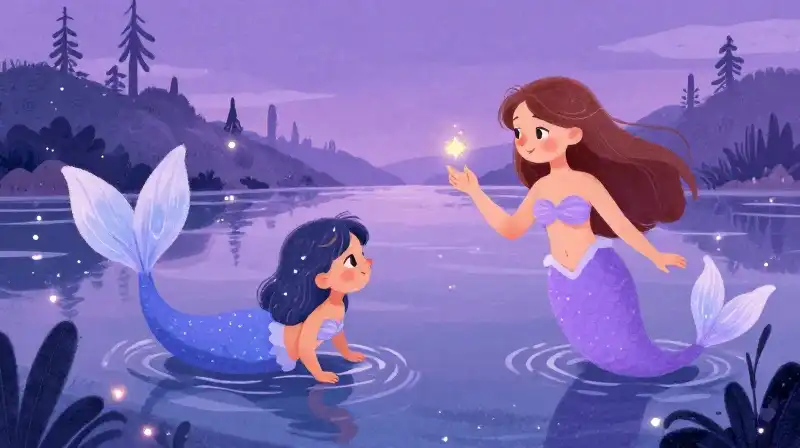
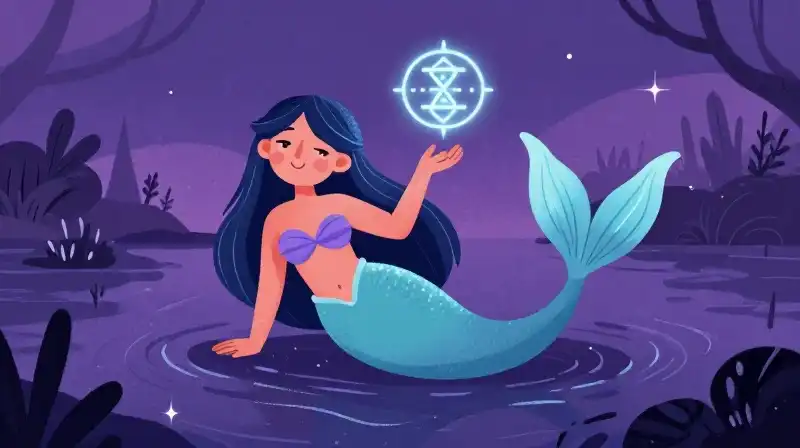
The visual representation of these mermaid tails is meticulously detailed, playing a key role in the visual identity of the characters. From the initial introduction to the continued development in *H2O: Mermaid Adventures*, the tails are central to the creature’s presence in the story [1].
When analyzing the imagery, it is clear that the design choices were intended to evoke both glamour and power. The specific visual representation of the “Mako and H2O tails” was documented in promotional materials, lending them a distinct aesthetic within the television universe [1].
The Creative Journey: Behind the Scenes of the Tail
For those curious about the scope of this production, the creators put considerable effort into capturing the appearance of these characters and creatures. Documentation exists from specific production stages, such as a documented “season 3 photoshoot” and related behind-the-scenes content, which provides insight into the physical realization of the tail transformations and the setting of Mako [1]. This attention to detail ensures that the tails function as a distinct and recognizable magical element across all seasons of the series.
| Character Archetype | Associated Tails/Forms | Narrative Role |
|---|---|---|
| The Merfolk Inhabitants | Mako and H2O Tails | Represent the hidden magical world and secret identities. |
| Human/Merfolk Cast | Various (Lyla, Nixie, Ondina, Emma Gilbert, Cleo Sertori) | Navigate the tension between human life and magical destiny. |
| Season-Specific Focus | Visual elements across S1, S2, and S3 | Track the evolution of the magical world and its inhabitants. |
Exploring the Secrets of the Stars: Specific Characters and Themes
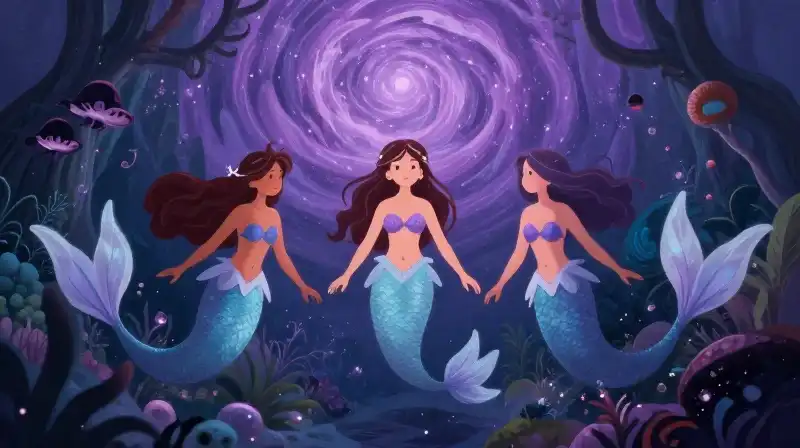
The magic of Mako is powered by its residents, both human and magical. Specific cast members are tied directly to the powerful, magical elements of the series. Names such as Lyla, Nixie, and Ondina appear among the Mako cast, grounding the story in recognizable personalities [1]. In *H2O: Mermaid Adventures*, the narratives delve into the adventures of merpeople like Emma Gilbert and Cleo Sertori, illustrating the conflict and harmony between their underwater lives and the world above [1].
The series masterfully juxtaposes the lives of characters like Rikki Chadwick and Bella Hartley, allowing the audience to see the delicate balance between the ordinary and the extraordinary. This constant transition between the human and the magical highlights the profound theme of holding two lives—a secret life, a magical life—which is a powerful metaphor for the complexity of growing up.
Answering the Curiosity: The Practicalities of the Tail
While the narrative focus is on the magic, many readers are also curious about the practical, real-world aspects of the design. The frequently asked question, “How much did the H2O tail cost?” touches upon the intersection of fictional fantasy and real-world fandom. Since the H2O mermaid tails are fictional elements created for the television series, their production costs relate to the set design and costume fabrication within the production itself, which is a highly specialized and non-public detail of Hollywood production. For fans looking to replicate the magic in their own homes or classrooms, many companies offer H2O-inspired mermaid replicas, tops, and silicone tails, allowing fans to find merchandise related to the series [1].
Synthesis: The Enduring Charm of Submerged Worlds
The H2O mermaid tails and the island of Mako are far more than just fantastical accessories; they are symbols of the magic that exists when we dare to look past the surface. This world teaches children the beauty and necessity of balance—the balancing act between public presentation and private truth. It suggests that even in the most familiar settings, a vibrant, incredible secret might be hiding, waiting to be discovered in the depths. This hidden depth and the commitment to visually rich storytelling make the lore of Mako a truly remarkable narrative for children’s stories.
Sources
- Gallery
The Set | H2O Just Add Water Wiki | Fandom — h2o.fandom.com
Frequently Asked Questions
How much did the H2O tail cost?
Since the H2O mermaid tails are fictional elements created for the television series, their production costs are non-public and relate to the specialized costume fabrication. The article states that these costs fall under the scope of set design and costume creation within the production itself.
Related Articles