Siren vs. Mermaid: The Difference Between Myth and Story


Introduction
When a child imagines a shimmering figure rising from the sea, they might picture a majestic creature with flowing hair and a sparkling tail. Yet, as they grow, they may encounter the darker whispers of the sea—the ancient, mesmerizing call of a siren. Though often conflated in modern storybook adaptations, the siren and the mermaid are not merely different designs; they represent two profoundly different forces in folklore. One is a symbol of whimsical beauty and natural wonder, often a friend to the brave; the other is the archetype of irresistible danger, the alluring temptation that promises both beauty and ruin. This article guides parents and educators through the roots of these mythical figures, revealing not just their difference in tail length or wing style, but the essential symbolic divide between the whimsical mermaid and the perilous siren, so you can navigate these complex characters in your own storytelling.
The Siren: The Archetype of Temptation and Danger
 To understand the siren is to understand ancient narrative stakes. In Greek mythology, the siren began as a multifaceted figure: a being with human heads, bird wings, and scaly feet [1]. These early forms were not whimsical; they were warnings. Their defining characteristic was the “siren song”—a beautiful, irresistible vocal appeal designed to lure sailors to their deaths [1, 3]. For centuries, the siren has functioned as a narrative device to explore the dangers inherent in tempting beauty.
The Siren in the Ancient World
The most famous encounter with this dangerous allure occurs in the epic *The Odyssey* [1, 3]. There, the siren is not a creature of fluffy hair, but a force that must be physically countered. Odysseus orders his crew to plug their ears with beeswax and chains himself to a mast, allowing him to hear the song’s power without succumbing to its magical pull. This foundational tale establishes the siren as a formidable antagonist, representing the dangerous side of temptation that can lead to death [1, 3]. Historically, in medieval art and literature, the siren’s presence often symbolized the dangers associated with womanhood or powerful predatory forces [1, 2].
The Mermaid: The Evolution into Whimsy
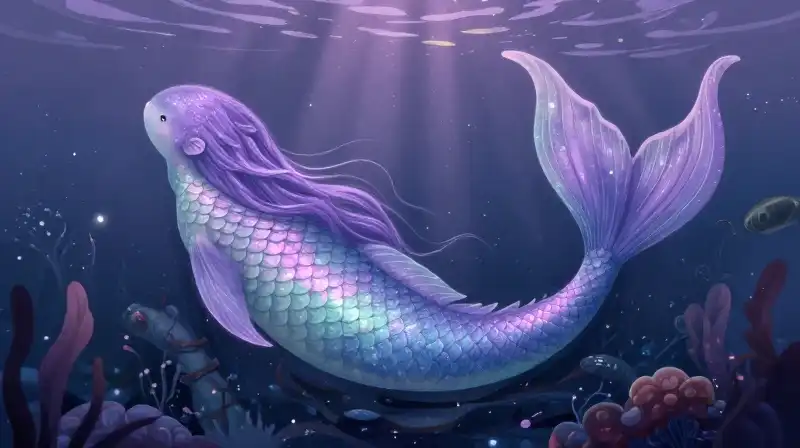
The transition from the human-headed bird to the half-human, half-fish creature known commonly as a mermaid represents a key shift in how folklore chose to interpret the creature [1, 2]. The first documented use of the “mermaid” as a sea-girl with a fish tail appeared in the 8th-century *Liber Monstrorum* [1]. This specific morphological shift marked the beginning of the mermaid’s modern identity. Where the ancient siren was focused on the lethal power of its voice, the mermaid often found itself associated with the “light” and “whimsical” aspects of the sea [2, 3]. In contemporary children’s literature, the mermaid often serves as a companion, a guide, or a symbol of hidden treasures and the mysterious, comforting beauty of the deep ocean [2, 3]. While their original mythological foundations are linked to the siren’s dangerous lineage, the modern mermaid is the creature that has successfully moved from a symbol of danger to one of delight.
Siren vs. Mermaid: A Tale of Duality
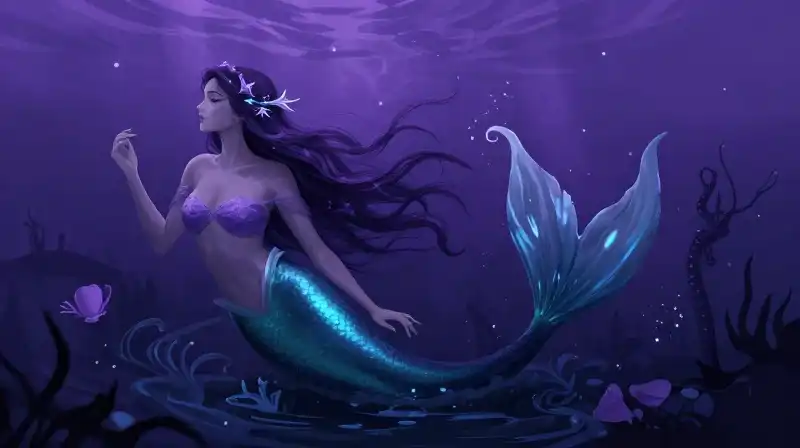 The distinction between the two figures is often oversimplified in popular culture, yet analyzing the core differences reveals a fascinating study in narrative duality.
| Feature | The Siren | The Mermaid |
|---|---|---|
| Original Mythology | Human-headed bird, focused on the lure and call [1] | Human-like, eventually shifting to half-fish [1] |
| Primary Symbolism | Irresistible temptation, fatal danger, the unknown [2, 3] | Whimsy, natural beauty, the wonders of the ocean [2, 3] |
| Key Narrative Role | A deadly antagonist (e.g., Odysseus’s warning) [1, 3] | A companion, a figure of fascination, or a harbinger of joy [2, 3] |
| Modern Traits | Often murderous, possess shapeshifting ability in modern adaptations [3] | Typically benevolent, promoting joy and wonder [2] |
Addressing Common Questions: What Do They Do?
When readers ask, “What did siren mermaids do?” or “Is a siren a mermaid real?” the answer lies in the function these figures serve in our stories.
- What did they do? Sirens and mermaids are both creatures defined by their ability to capture the human gaze. While traditional sirens “lured sailors into death” through their songs [1, 3], many modern mermaids use their presence to guide explorers or protect underwater secrets [2]. Their actions often represent the pull of the unknown—whether that pull is destructive or comforting.
- Are they real? These figures are products of powerful mythology and imagination [2]. In the realm of folklore, they are real—as vital characters that continue to shape our understanding of sea-faring, human desire, and the boundary between wild nature and civilization [1].
Navigating the Sea of Storytelling: Bedtime and Classroom Uses
Both sirens and mermaids provide rich material for parents and educators, but they require different handling depending on the narrative goal.
Using the Siren for Deeper Discussion
The siren makes an excellent character for discussing the concept of temptation and consequences. Because the original siren is a dangerous predator, this character can facilitate complex conversations about the cost of desire.
- A Classroom Lesson: The siren can represent a “moral” choice. Discuss why Odysseus had to take extreme measures to survive, framing the siren not just as a scary monster, but as a powerful force of nature or instinct that the protagonist must overcome through intellect and preparation [3].
- A Warning Tale: The siren can be used to illustrate the difference between a pleasant lure and a destructive one, helping children understand boundaries and consequences in a gentle, story-based way.
Using the Mermaid for Soothing Adventures
The modern mermaid, by contrast, is often much more appropriate for quieter, soothing bedtime stories. Her associations with “whimsy” and “light” make her a wonderful guide into fantastical underwater worlds.
- Bedtime Comfort: A story featuring a gentle mermaid navigating coral gardens or finding “sun-dappled” pearls can help soothe a child’s imagination. Focus on her curiosity rather than her capability to kill, promoting a sense of wonder and peaceful discovery [2, 3].
- Visual Inspiration: For creative play, the mermaid offers a palette of deep turquoise, shimmering silver, and warm gold, evoking the calm, inviting depth of the sea [2].
Beyond the Surface: The Significance of Their Duality
The evolution of the siren and the prominence of the mermaid show us how storytelling changes as our understanding of nature, gender, and power evolves. The siren reminds us that beauty often comes with a powerful cost, while the mermaid reminds us that the unknown sea can also be a source of profound comfort and endless joy. By honoring both the perilous song and the shimmering tail, we give children the full, rich scope of the magical worlds they love—worlds where the boundaries between dazzling enchantment and dark peril blur, making for the richest and most imaginative stories of all.
Sources
- Siren (mythology) — en.wikipedia.org
- What is the difference between a mermaid and siren in your opinion? : r/mermaids — reddit.com
- Siren Mythical Creature — aquamermaid.com
Frequently Asked Questions
What did siren mermaids do?
Traditional sirens lured sailors into death through their irresistible songs. Conversely, many modern mermaids use their presence to guide explorers or protect underwater secrets. Their actions often represent the pull of the unknown, whether that pull is destructive or comforting.
Is a siren a mermaid real?
These figures are products of powerful mythology and imagination. In the realm of folklore, they are considered real as vital characters that continue to shape our understanding of sea-faring and the boundary between wild nature and civilization.
Related Articles