
Beauty and the Beast: Why Inner Kindness Breaks the Curse

Introduction
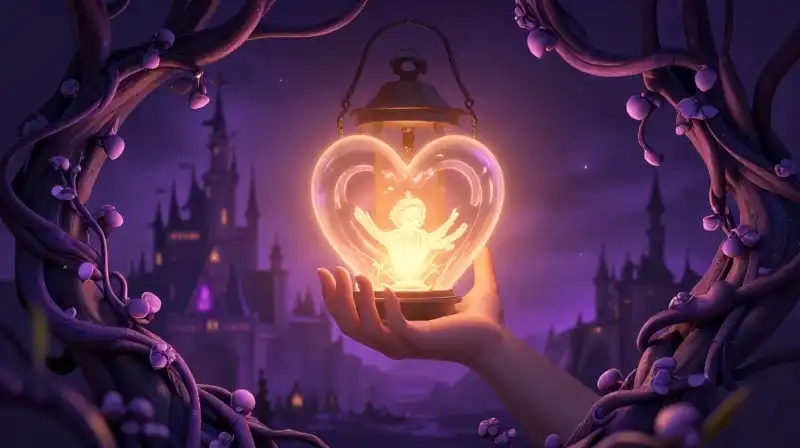
When children settle in for a bedtime story, they are often looking for more than just a tale of magic; they are searching for a mirror—a way to understand a difficult world through the lens of a comforting story. *Beauty and the Beast* is perhaps the most powerful example of this kind of narrative. It is not just a story about a scary castle; it is a deeply intimate study of human transformation. This classic tale asks a fundamental question: what makes a person truly noble? Is it the shine of a crown, or the quiet compassion in one’s heart? By following Belle and the Beast through the dark, enchanted halls of the castle, we begin to explore a powerful lesson that transcends the page: that the softest light, often found within, has the strength to shatter even the darkest of curses [1, 2].
The Price of Pride: Understanding the Beast’s Curse
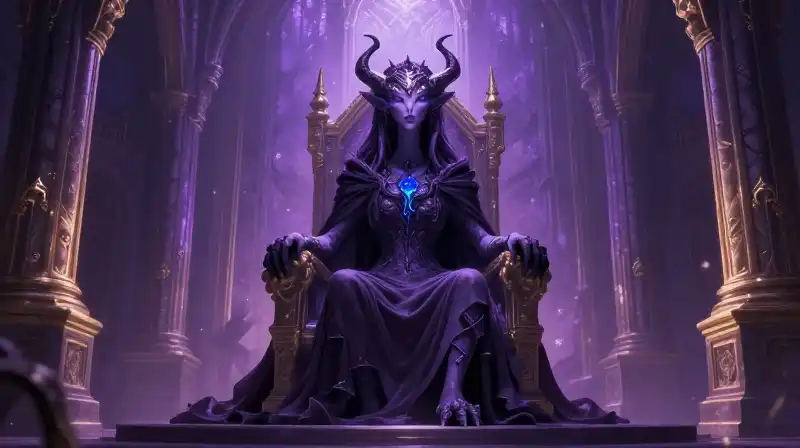 To understand why inner kindness holds such power, we must first grasp the origins of the Beast himself. He was not always a monster, nor was he always powerful; he began as a handsome prince. However, an enchantress’s spell cast upon him was a direct reflection of his own moral failings. The curse was designed to transform his outward appearance—turning his skin coarse and his features frightening—but it simultaneously held a deeper, far more poignant punishment: he was trapped within a body that could not speak or feel love [1, 2]. This curse acts as a powerful narrative device to challenge assumptions about how we judge one another. The Beast, the creature who rules his grand domain, is fundamentally lonely. He exists in a gilded cage, constantly being reminded of his monstrous form. This setup forces the audience to confront the stark contrast between external perception and internal reality. As Belle discovers, the Beast is not a vicious savage; he is a deeply sad, misunderstood soul confined to a terrifying shell [1, 2].
The Contrast: Superficial Beauty vs. Inner Worth
The story sets up a clear binary between external charm and internal goodness. The Beast’s initial state is one of selfish arrogance, leading him to become the terrifying figure in the castle. He views his guests as intruders, driven by possessiveness and temper [1]. In contrast, Belle embodies a radiant inner strength. She is described with a spirit as free as a bird, a beautiful young woman whose true qualities—her intellectual curiosity and inherent gentleness—shine far brighter than any royal lineage [1]. It is the tension between these two poles—the Beast’s monstrous exterior versus his interior sadness, and Belle’s outward appearance versus her profound gentleness—that drives the emotional core of the narrative [1, 2]. The tale effectively teaches children that they must look past the skin to see the soul.
The Castle as a Sanctuary: A World of Atmosphere and Intellect
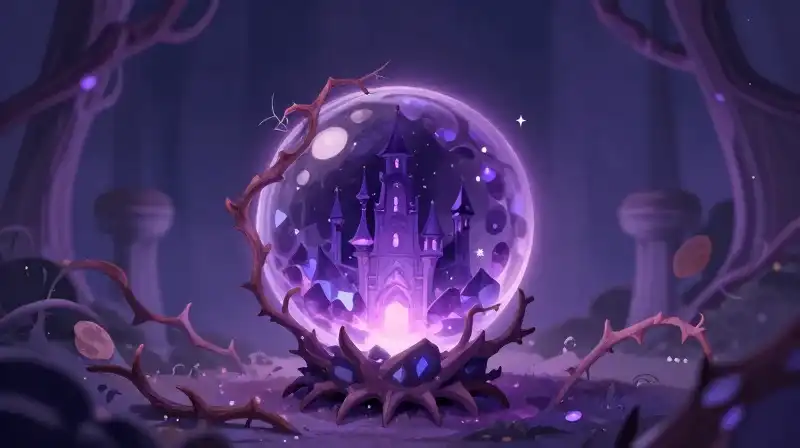
The enchanted castle in the stories is rarely a neutral backdrop; it is a character in itself. It is a dark, spooky, yet strangely beautiful world, brimming with mystery and forgotten magic [1, 2]. The castle reflects the Beast’s own conflicted state: grand and magnificent, yet shrouded in a melancholic melancholy.
The Heart of the Home: Books and Warmth
For Belle, the castle’s most cherished refuge is not the ballroom, but its vast library. Here, her love of reading allows her to escape the rigidity of royal expectations and the terrifying isolation of the Beast’s domain [1, 2]. This element is crucial, as it establishes the profound value of intellectual pursuit. While the Beast is physically powerful, Belle possesses the power of imagination, and it is this intellectual curiosity that she brings into the desolate castle, providing a sense of life and warmth [1]. The castle’s objects also play a surprising role in this domestic drama. The candelabra, the teapot, and the clock are not just props; they can speak and help provide hospitality, adding a layer of whimsical magic that serves to humanize the oppressive environment [2].
The Path to Transformation: How Kindness Breaks the Curse
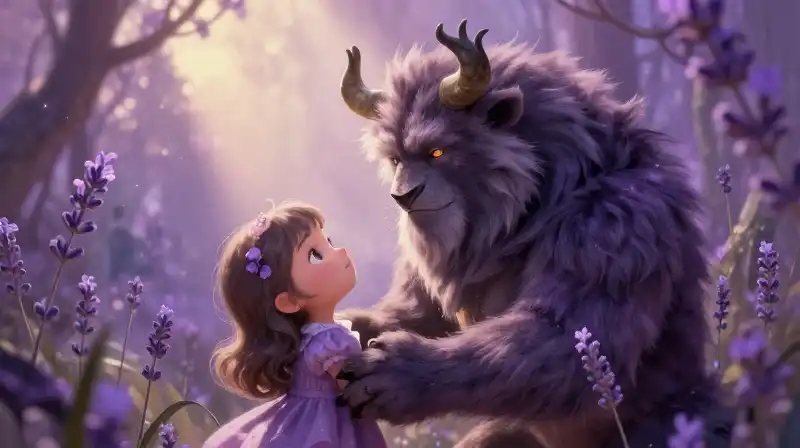 The transformation of the Beast is not achieved through a single heroic act, but through a gradual, iterative process fueled entirely by empathy. Belle’s actions serve as the narrative mechanism that slowly chips away at the curse and reveals the true humanity beneath the beast [1, 2].
The Turning Point: The Power of Compassion
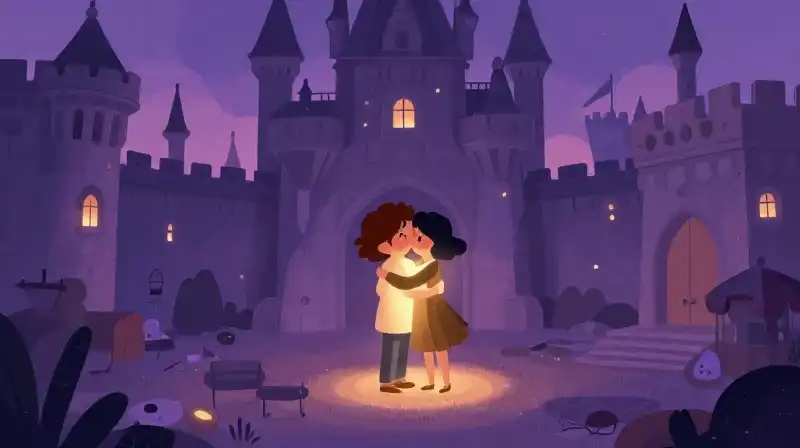
One of the most potent moments in the narrative is when Belle’s genuine kindness shifts the Beast’s defensive barrier. For instance, when the Beast is badly wounded by wolves, Belle tends to his wounds [2]. This act of pure, selfless compassion is the narrative moment where the story begins to pivot from a tale of captivity to a story of redemption. She shows him a form of acceptance that no one else has, seeing him not as a monster to be feared, but as a wounded being deserving of care [2]. Furthermore, the enchanted objects and the castle itself participate in his slow awakening. When the Enchanted Mirror shows Belle the true suffering of her father, Maurice, this deeper connection prompts the Beast to release her and move towards true responsibility, rather than mere physical release [2].
A Lesson in Reading: The Library and the Soul
Beyond the immediate plot points, the story offers a rich tapestry of moral lessons, particularly for parents engaging with the tale in the classroom or at bedtime. The comparison between Belle’s inner virtues and the character of Gaston—the brutish, vain man who represents superficial attraction—is a powerful commentary on human values [1, 2]. For parents, the story offers a potent moral: inner qualities like gentle spirit, reading, and intellectual curiosity are infinitely more valuable than the superficial confidence or outward perfection that Gaston represents [1].
The willingness of Belle to enter the dungeon to spare her father, Maurice, symbolizes her unconditional devotion. Her acceptance of his fate, despite the danger, reinforces the message that true love and integrity are found in the courage to do the right thing, even when difficult [1].
Navigating Related Questions
Why does the Beast look scary, but the story says he is kind?
The Beast’s appearance is the very mechanism of his curse, designed to prevent him from being perceived as capable of kindness. His monstrous form represents his prior selfishness and pride [1, 2]. The story uses this frightening exterior to test Belle’s compassion. By looking past the terror to see his sadness, she forces him to acknowledge his interior worth, which is the only way the curse can be broken.
What does the West Wing symbolize in the castle?
The West Wing is significant because it is often associated with the most powerful symbols of the castle’s magic—the glowing rose and the Enchanted Mirror [2]. It represents the mysterious, volatile nature of the curse itself, containing the elements that hint at both the source of the Beast’s pain and the potential for his ultimate transformation.
Beyond the Bow: What This Tale Teaches Us
The beauty of *Beauty and the Beast* lies in its refusal to offer a simplistic answer. The tale is not a story about “being nice and everything fixes itself.” Rather, it is a sophisticated lesson in empathy and recognition. Belle does not *fix* the Beast; she simply recognizes his suffering. Her gentle consistency shows him that he is seen and accepted, even in his worst moments. The story beautifully articulates the idea that the deepest human connections often form when we are at our most vulnerable—whether that is a beautiful girl in a dark castle or a monstrous prince in a gilded cage. It is a story that reminds us, parents and children alike, that the worth of a person is not written on their face, but written in the kindness they are willing to extend to others, especially those who need it most [1, 2]. This is why *Beauty and the Beast* remains such a vital piece of the children’s story canon, offering timeless wisdom that resonates far beyond the enchantment of the castle’s West Wing.
Sources
- Beauty and the Beast — readthetale.com
- Go ‘n Tell: Beauty and the Beast Bedtime Story for Kids — meetthegofamily.blogspot.com
Related Articles