
Building Reading Confidence: A Look at Once Upon a Fairy Tale

Introduction
The transition into chapter books often presents a delicate balancing act for young readers: offering enough complexity to feel like a “real” book while maintaining the accessible pace and warmth that keeps a 6- or 8-year-old captivated. *Once Upon a Fairy Tale*, by Anna Staniszewski and Macky Pamintuan, meets this challenge head-on. This series doesn’t just retell classic folklore; it re-engineers it for the developing independent reader [1]. By blending high-stakes adventure with rapid, easy-to-read prose, the series acts as both a gateway to traditional storytelling and a powerful tool for building reading stamina and confidence [1].
The Archetypal Traveler: Building the Foundation of Fantasy
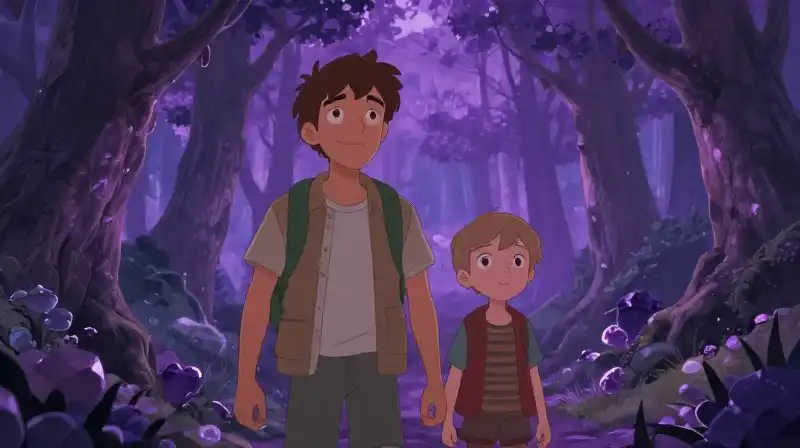 At its core, *Once Upon a Fairy Tale* utilizes the most enduring characters and archetypes from global folklore. Rather than focusing on niche modern inventions, the series grounds its narrative in universal symbols—the brave traveler, the cunning villain, and the steadfast friend [1]. By placing young, courageous characters like Kara and Zed at the heart of these journeys, the authors allow readers to connect with ancient motifs while mastering early reading skills [1]. The characters serve as vessels for deeper, often complex, emotional concepts. For instance, the series utilizes the classic dynamic found in tales like “The Missing Dwarf.” This narrative centers on a foundational conflict: the powerful, often jealous authority of an evil queen [1]. This conflict is immediately complicated by the abduction of a vulnerable yet vital character—the dwarf [1]. For a young reader, this isn’t just a plot point; it is an introduction to the concept of agency versus tyranny, a simple yet profound lesson in the importance of friendship when faced with overwhelming force [1].
Beyond the Pages: The Utility of Visual Storytelling
In the realm of children’s literature, the visual experience is as crucial as the text. One of the most striking features of the *Once Upon a Fairy Tale* series is its commitment to a distinct, high-contrast visual aesthetic: black-and-white illustrations on every page [1]. This design choice is deeply functional. In the early independent reading stages, heavy, saturated color can sometimes distract a newly focused child or overwhelm a tired reader. By presenting a high-contrast, monochromatic world, the series directs the reader’s attention specifically to the action, the character’s expression, and the pacing of the narrative. For educators and parents, this visual style offers a unique teaching opportunity. It encourages readers to “fill in the colors” themselves, prompting discussion about mood, light, and shadow, thereby boosting comprehension and imaginative engagement, even as they practice reading the fast-paced plots [1].
Navigating the Narrative: From Fable to Chapter Book
The series is strategically designed for the newly independent reader, fitting perfectly within the Branches line and targeting ages 6–8 [1]. The focus on fast-paced plots and clear, digestible text means the reading experience is exhilarating rather than arduous. This structural focus supports the practice of reading comprehension in the early chapter book setting [1]. The narratives consistently combine elements of grounded quests—such as a straightforward journey toward a castle to rescue a friend—with bursts of genuine magic [1]. This balance is key. The magic provides the “hook” and wonder, while the quest provides the clear, logical framework for the reader to follow. The stakes are high (a friend is missing, a kingdom is threatened), but the language remains accessible, allowing the child to experience the thrill of an adventure without the frustration of overly dense text.
| Element | Structural Function | Impact on Reader |
|---|---|---|
| Fast-Paced Plot | Build Stamina and Interest | Encourages consistent reading flow [1] |
| Archetypal Characters (e.g., Kara and Zed) | Explore Universal Themes | Provides a safe entry point for discussing moral dilemmas [1] |
| B&W Illustrations (Every Page) | Visual Storytelling Enhancement | Focuses attention on narrative action and supports comprehension [1] |
Addressing Reader Concerns: What Exactly Is in the Series?
Many inquiries arise when considering this type of structured fairy tale.
- What fairy tales are included? The series draws upon classic folklore and fables, featuring adaptations of well-known stories like Snow White [1].
- How is the series approached? It is designed to help children “grow” as readers by providing high-interest, accessible adaptations of these established tales [1].
- Are the characters relatable? Characters like Kara and Zed are utilized to embody universal story archetypes, providing a foundation for children to identify with on a deeper level [1].
Finding the Perfect Fit for Bedtime and Classroom
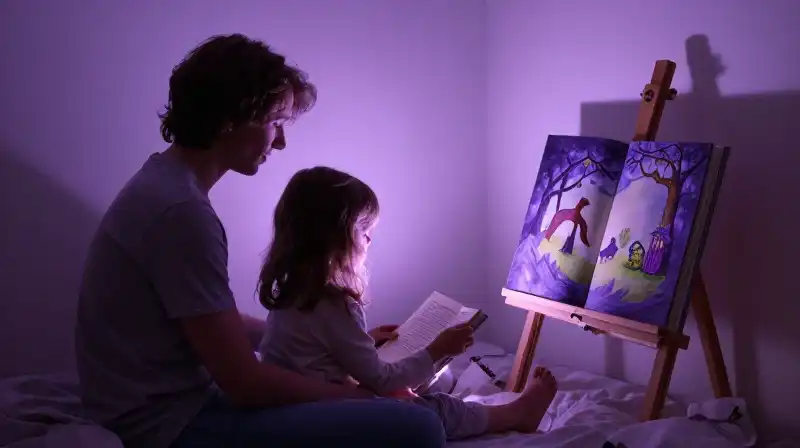 The true value of *Once Upon a Fairy Tale* extends beyond individual reading practice; it provides a rich framework for parental and educational discussion.
The Bedtime Calm: Adventure Wrapped in Accessibility
For bedtime, the series offers a perfect balance. While the content involves magical elements and sometimes dark adversaries (such as the evil queen), the highly predictable, yet engaging, structure provides a sense of comforting resolution. The focus on themes like friendship and the reward of adventure provides a sense of emotional closure that many parents find soothing [1]. The clear, easy-to-read text also prevents the fatigue that can often come with more complex early chapter books.
The Classroom Tool: Concrete Discussion Points
For educators, the series offers a goldmine of ready-made discussion prompts. Because the tales center on clear archetypal conflicts—like the abduction in “The Missing Dwarf” or the journey to a castle to rescue a friend—they provide a concrete starting point for exploring complex themes such as bravery, loyalty, and the nature of evil without overwhelming the child [1]. The consistent emphasis on the quest structure helps students map out narrative arcs and predict outcomes.
A Synthesis of Storytelling and Skill-Building
*Once Upon a Fairy Tale* is not simply a collection of black-and-white picture books; it is a thoughtfully engineered educational resource disguised as pure magic. By leveraging the timeless power of folklore—a classic tale, the magical quest, the bond of friendship—Staniszewski and Pamintuan create a world that is both recognizable and fresh for the developing reader [1]. The series proves that the most profound way to help a child build reading confidence is to give them a story they are deeply connected to, supported by an aesthetic that nurtures focus, and structured with the rhythmic pace of a genuine adventure.
Sources
- Once Upon A Fairy Tale — scholastic.com
Frequently Asked Questions
What are all the fairy tales in Once Upon a Time?
The series draws upon classic folklore and fables, and the provided text mentions adaptations of well-known stories like Snow White. It also specifically cites a narrative titled "The Missing Dwarf" as an example of the archetypal conflict within the tales.
What is a fairy's tale once upon a happy ending?
The article does not provide a general definition of a fairy tale happy ending. However, it notes that the series offers a sense of comforting resolution and emotional closure, which parents find soothing, due to its predictable yet engaging structure.
Related Articles