
Top Fairy Tales for Kids: A Guide to Classic & Modern Stories

Introduction
The dusty corner of the storybook is often a place of quiet, but the truly great stories—the ones that stick with a child long after the last “good night”—are often the ones that giggle. They aren’t just simple narratives; they are complex systems of silliness, clever contrasts, and wildly unexpected outcomes. For parents and educators seeking more than just a “nice” bedtime tale, the real magic lies in the structure: how a nonsensical phrase becomes a foundational rhythm, or how a whimsical creature challenges our assumptions about good and bad. This guide dives into classic and modern fairy tales, exploring the ones that deliver deep lessons through delightful flights of fancy, focusing on how humor, eccentricity, and vibrant imagery can spark both imagination and active participation.
The Joy of Nonsense: When Words Become Play
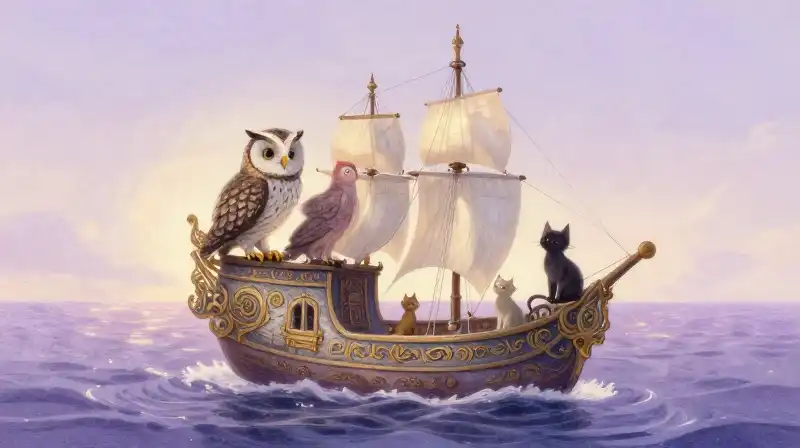 For a quick burst of laughter, Edward Lear provided the perfect antidote to the stern morality of older fairy tales. These nonsense poems aren’t about a lesson; they are about the pure, delightful joy of language itself.
The Charm of Invented Worlds
Lear’s works offer fantastic opportunities to engage children with rhythm and invented vocabulary, making them ideal for both the very young and those who love a bit of linguistic complexity.
- The Owl and the Pussycat: This tale invites imaginative play around the concept of unlikely companionship, trading a grand romantic narrative for one steeped in whimsical absurdity. It’s a study in the appeal of things that simply *shouldn’t* be together but delightfully are.
- The Quangle Wangle’s Hat: A quintessential nonsense experience, this poem uses outlandish, invented words to turn the act of wearing a hat into a magical, chaotic event, perfect for “tickling both small and large minds” [1].
Foundations of Fun: Classic Tales with a Twist
Many of the most famous stories we know today have complex origins. While some versions focus on darker struggles, others lean into a gentle, repeatable structure that is wonderfully fun for families.
The Power of Cumulative Storytelling
Cumulative tales are inherently interactive. They require the listener to predict the next step or recall the sequence, turning passive listening into an active, collaborative game.
- The Enormous Turnip: Originating from a Russian fairy tale by Aleksey Nikolayevich Tolstoy, this classic is the gold standard for cumulative humor [1]. The humor lies in the collective effort—the turnip demands a giant response, fostering a fun, shared energy between the storyteller and the listeners. It is also excellent for educators because its simplicity encourages active participation [1].
- Scandinavian Eccentricity: Folk tales often boast unique imagery and a refusal to adhere to “normal” logic, leading to wonderfully humorous scenarios. For example, “Nail Soup” features an old tramp who attempts to cook soup using a pan, water, and a 4-inch nail, illustrating the quirky, inventive spirit of early folklore [1].
Modern Retellings: Keeping the Heart Light
 If the original stories can sometimes carry a heavier weight, modern authors are expertly blending classic themes with a lighter, more contemporary, and often romantic or humorous bent.
Romantic and Gentle Fantasy
These contemporary takes allow children and adults to enjoy the archetypes of the fairy tale without the Victorian gloom.
- A Spindle Splintered (Alix E Harrow): For readers looking for a contemporary fantasy flavor, this work offers a touch of romance [2], taking the spirit of classic tales and weaving a much more modern, vibrant tapestry.
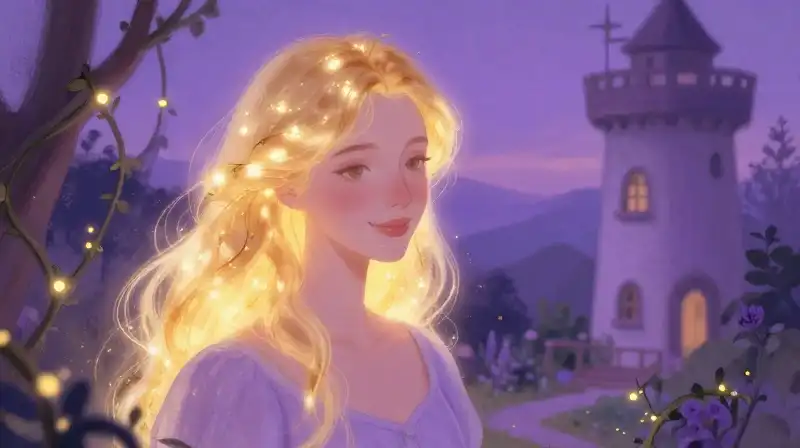
- Twice Upon a Time: Rapunzel, the One with all the Hair (Wendy Mass): This is a fantastic example of a lighthearted retelling that preserves the core magic of a well-known figure while offering a fresh, less dramatic perspective [2].
Refining the Familiar: Modern Takes on Tropes
The concept of modernization can sometimes take a funny or quirky turn, especially when popular tropes are given a completely new life.
- Meant to Be Series: Popular romance writers have approached Disney archetypes like Cinderella and Ariel with humorous, modern reinterpretations, allowing stories of “happily ever after” to feel fresh and fun [2].
- Jade Linwood (e.g., Charming): Linwood’s approach offers a unique, whimsical take on the classic fairy tale genre, providing contemporary readers and families with a “cozy or adventurous fantasy” feel [2].
Thematic Deep Dives: Kindness, Courage, and Creativity
Beyond the chuckle, some tales provide profound, gentle lessons that are perfect for soothing bedtime or sparking classroom discussion.
Embracing Universal Values
The themes of kindness and hard work are woven into the fabric of several stories, offering clear, magical lessons that feel timeless.
- The Elves and the Shoemaker: This tale is a perfect distillation of magical themes surrounding kindness and the reward of giving. It presents a clear, warm, and celebratory narrative, making it suitable for any time of year as a source of gentle inspiration [1].
- Little Red Riding Hood: While based on a tale by Charles Perrault, the story is often viewed as a study in the struggle against a cunning trickster. For many modern retellings, this struggle is framed around teamwork and the idea that the hero must learn to outwit the deception, transforming a warning into a lesson in strategy [1].
| Story/Author | Primary Theme | Tone/Age Fit | Key Takeaway for Young Readers |
|---|---|---|---|
| The Enormous Turnip | Collective Effort/Participation | Active/Interactive (All Ages) | Persistence pays off; everyone’s effort matters. |
| Lear’s Nonsense Poems | Linguistic Joy/Creativity | Playful/Whimsical (All Ages) | Words can take you anywhere; imagination has no limits. |
| The Elves and the Shoemaker | Kindness/Magical Reward | Warm/Bedtime (All Ages) | Being good and helpful brings beautiful things into your life. |
| Rapunzel (Twice Upon a Time) | Agency/Choice | Lighthearted/Bedtime | You can always find a happy, joyful path. |
Practical Guide: Age and Mood for Story Selection
Choosing the right story isn’t just about knowing the plot; it’s about matching the story’s energy to the child’s readiness and the family’s current mood.
For the Active and Engaged Learner (Classroom & Family Fun)
If you need to harness energy or encourage a child to participate fully, stick with the rhythm and physicality of the classics.
- Cumulative Tales (The Enormous Turnip): Excellent for developing listening skills and prediction. The predictable structure provides a comforting framework for younger children, while the rising energy keeps older children engaged [1].
- Nonsense Poetry (Edward Lear): Perfect for when you want to break routine and prioritize creative freedom over narrative structure.
For the Calming Bedtime Routine (Cozy & Soothing)
To quiet a mind and drift into sleep, look for stories that emphasize warmth, steady effort, or gentle magic, avoiding high-stakes conflict or sharp, startling images.
- The Elves and the Shoemaker: This tale emphasizes the comforting power of routine and the quiet, beautiful results of small, kind efforts [1].
- Modern, Lighthearted Retellings: Authors like Wendy Mass or Alix E Harrow offer magical escapes that are deeply engaging but lack the aggressive tension often found in traditional trickster tales.
- Mercedes Lackey’s Fantastical Revisions: Her work, such as tales involving “The Fairy Godmother,” allows children to engage with the comforting power of benevolent magic and classic myth in a rich, quality narrative [2].
What Does the “Funny” in Fairy Tales Really Mean?
When we categorize fairy tales by “funny,” we are often identifying several key mechanisms: irony, exaggeration, and cultural eccentricity. The genuine humor in these stories rarely comes from cheap slapstick; it arises from the clash of expectations and reality.
The Appeal of the “Quirky”
* **The Eccentric Character:** The Tramp in “Nail Soup” or the inhabitants of “The Quangle Wangle’s Hat” are funny because they defy convention. They act based on a unique internal logic rather than real-world reason. This encourages children to appreciate “otherness.” * **The Structural Subversion:** In “The Enormous Turnip,” the expectation is that a simple vegetable will move easily. The humor comes from the increasing, hilarious escalation of effort required to move it. This teaches children that problem-solving often requires increasing ingenuity. * **The Unexpected Pairing:** Like the Owl and the Pussycat, stories that pair two radically different things create instant comedic potential and a gentle thematic exploration of acceptance. By focusing on these specific elements—the linguistic play, the shared energy of a cumulative verse, or the charming absurdity of an old tramp’s soup—we see that the “funny” in fairy tales is a gateway to broader imaginative thinking. It’s not just about the laugh; it’s about the way a story makes us ask, “Why not?”
Synthesis: Why These Stories Endure
The richness of children’s literature lies in its ability to simplify complex human emotions through fantastical structures. Whether through the rhythmic collaboration of a “Enormous Turnip” or the imaginative freedom of Edward Lear’s invented words, these tales are not just entertainment. They are carefully constructed tools for building empathy, encouraging creativity, and understanding the universal human need for a touch of gentle absurdity. They remind us that magic isn’t just in the glittering outfits of a fairy godmother, but in the unexpected brilliance of a 4-inch nail, or the joyful chaos of a Quangle Wangle.
Sources
- Funny Tales and Fairy Tales | Podcast on Spotify — open.spotify.com
- Any funny/lighthearted fairytale retellings? : r/BooksThatFeelLikeThis — reddit.com
Related Articles