
Classic Bedtime Stories: Enchanting Tales for Imaginative Children


Introduction
In the quiet transition between the bustling day and the sanctuary of sleep, a powerful kind of magic unfolds. Classic bedtime stories are far more than just comforting repetition; they are miniature worlds of possibility, expertly crafted narratives that take a child’s gentle imagination and stretch it into a vibrant, expansive canvas of morality, wonder, and transformation. These stories provide a safe yet thrilling landscape where children can confront complex emotions—from the warmth of genuine friendship to the quiet consequence of a broken promise—all while tucked safely under the covers [1].
For parents and educators, choosing the right story is not merely a matter of picking a favorite title; it is about selecting a narrative that meets a child at their current stage of imaginative growth, offering a lesson that is felt in the heart rather than delivered as a lecture. Whether you are looking for a story that gently soothes and comforts or one that ignites a magnificent, grand adventure, these enduring tales offer profound depth. This is not a dry recounting of plots, but an exploration of what these beloved characters, symbols, and magical moments truly represent and why they continue to resonate across generations.
Thematic Anchors of Bedtime Magic

The most potent element of the “classic” story is its foundational architecture. Most of these tales rely on specific, recognizable thematic arcs—cycles of struggle and reward—which allow young readers to process large concepts like good and evil through the lens of a Snow Queen or an enchanted prince. Analyzing these themes helps us understand how the tales work as mirrors for emotional development [2].
The Delicate Balance of Good and Evil
Many classic stories explore the duality of the world through clear, often visually striking contrasts. Consider the conflict involving a Snow Queen and an icy heart. This struggle isn’t just about a villain; it’s about the necessity of warmth—the human element—to thaw a frozen existence [1]. These tales teach children that goodness is not just a virtue, but a necessary force, allowing them to navigate the complexities of empathy and compassion.
The Weight of Wishes and Wishes Granted
The trope of the wish, seen in tales like Aladdin and the Magic Lamp, represents the powerful, often naive belief that a single desire can change one’s life overnight. This allows children to explore hope and ambition. However, the classic structure often introduces a counter-balance, ensuring that magic comes with a price or a choice, grounding the magic in relatable human stakes [2]. It teaches the importance of hard work and moral character over simple luck.
Stories for Specific Emotional Landscapes
Not every night calls for a grand castle and a terrifying beast. The emotional needs of children at bedtime vary widely. Some require a sense of peaceful resolution, while others need a story that affirms the courage found in small moments. We can find these specific emotional needs answered within the classic collection [1].
The Gentle Affirmations of Small Adventures
Sometimes, the most powerful tales are the ones that celebrate being wonderfully small. The Tale of Tom Thumb, for instance, showcases the power of perseverance and the incredible scope of a small person’s world. His adventures, described as immensely imaginative, allow children to appreciate courage and ingenuity despite physical limitations [1, 2]. This type of story often brings a subtle, reassuring feeling to the end of the day.
The Grand Scope of Initiation and Transformation
Other nights, a sense of “what comes next” is exciting. The tale of Jack and the Beanstalk, where a cow is swapped for magic beans, initiates a journey that defies gravity and logic. This swap symbolizes the act of letting go of the known (the cow) to embrace the unknown (the enormous beanstalk and the wonders at its top) [1, 2]. This kind of transformation is excellent for sparking powerful imagination and the concept of personal growth.
Character Deep-Dive: Understanding the Archetypes
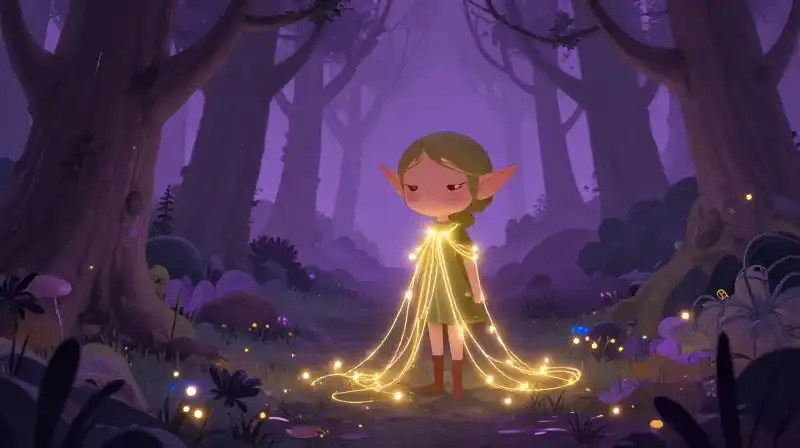
A child’s connection to a story often starts with a single, memorable character. By understanding the motivation behind characters like the enchanting Rumpelstiltskin or the enduring bravery of Cinderella, we can offer a deeper, more meaningful engagement with the book.
Rumpelstiltskin: The Price of Enchantment
Rumpelstiltskin represents the transactional nature of magic. He is an enchanted elf who trades power and magical services for a price [1, 2]. While he can be frightening, he is primarily a lesson in the cost of quick fixes. He embodies the idea that every bargain requires payment, which is a subtle but vital lesson in responsibility for young listeners.
The Consequences in The Pied Piper of Hamelin
The Pied Piper of Hamelin stands as a powerful study in broken promises. His transformation from charismatic performer to agent of revenge is a poignant illustration of the consequence that follows unfulfilled commitments. This tale is crucial for discussions about honor, integrity, and the importance of keeping one’s word—a necessary moral anchor in childhood folklore [1, 2].
Navigating the Emotional Peaks: Age Guidance
Classic stories are not one-size-fits-all. What feels thrilling to a seven-year-old might be too intense for a four-year-old, and what might comfort a toddler could feel too simple for a pre-teen. Understanding the narrative arc and thematic weight of these tales allows parents to select the perfect book for their child’s current emotional and cognitive stage.
-
For Younger Listeners (Ages 2-5): The Gentle Transformation. Choose stories like Cinderella or The Tale of Tom Thumb. These focus on clear goodness, transformation, and positive outcomes. They are simple, visually driven, and offer a sense of reliable joy and comfort.
-
For Early Readers (Ages 6-8): The High-Stakes Adventure. Jack and the Beanstalk, Aladdin, and Beauty and the Beast fall into this category. These stories introduce significant conflict, magical forces (lamps, beans), and the concept of a big journey that requires bravery.
-
For Imaginative Thinkers (Ages 9+): The Moral Complexity. Rumpelstiltskin and The Pied Piper of Hamelin are best suited here. They deal with heavier themes—broken trust, magical cost, and the long-term impact of choices—allowing older children to engage with narrative consequence.
What Exactly Is a ‘Classic’ Bedtime Story?
When we categorize these as “classic,” we are referencing a foundational role in folklore. They are foundational for the way we understand narrative structure, character motivation, and the establishment of moral lessons [1, 2]. These aren’t merely old books; they are templates of universal human experience, translated through magic. They use specific, powerful forces—magic lamps, enchanted elves, magical beans—as the engine that drives the plot, allowing the thematic lessons to manifest in vivid ways [1, 2]. This reliance on high-stakes fantasy ensures the imagination is actively engaged, making the experience active rather than passive.
Conclusion: The Enduring Glow of Shared Stories
The true magic of these collections of classic narratives lies in their ability to create a shared space between the adult and the child—a quiet, intimate dialogue that happens as they follow the adventures of Snow White or the antics of Tom Thumb. By recognizing the deep structure within these tales, we move beyond seeing them as simple entertaining narratives and start seeing them as curated guides for life. They affirm that even when life feels like an icy heart, there is a warmth within that can melt the frost. They teach us that even the smallest boy can climb the tallest beanstalk, and that true worth, like a magical lamp, is found in the hope we dare to wish for. These stories aren’t just for the end of the day; they are enduring lessons of wonder, courage, and heart that will shine long after the pages are turned.
***
Sources
- Famous Fairy Tales | Bedtime Stories — storyberries.com
Related Articles