
Exploring the Magic of Love: Diverse Themes in Romantic Fairy Tales

Introduction
When we think of romantic fairy tales, we often conjure images of sweeping ballrooms, glittering tiaras, and the happily ever after ending—the archetypal dance between a prince and a princess [1]. While these classic visions provide a familiar sweetness, the deeper magic of these stories lies far beyond the royal decree. In the rich tapestry of folklore, love is not a destination; it is a transformative force. It is found in the quiet intensity of a singer gazing at the stars, in the strange beauty of a curse, and in the deep connection between a creature and their soul.
For parents, educators, and storytellers, delving into these narratives allows us to uncover profound truths about human—and magical—connection. Romantic fairy tales are a playground for exploring emotional vulnerability, the power of nature, the weight of fate, and the limitless nature of the heart. We invite you to look closer at the diverse themes and characters that move these stories from simple bedtime narratives to genuinely illuminating works of art, grounded in the concrete details of their settings and symbols.
The Transformative Power of the Romantic Quest
In many of the most compelling love stories, the journey is not about the end, but the internal evolution required to achieve a true bond. These quests often involve rare elements or dangerous crossings, signifying the immense effort required for genuine emotional commitment. These tales teach us that love is earned through facing one’s own challenges and seeking something truly profound.
Seeking the Soul’s Missing Piece
Not all tales involve a prince who needs to be saved; many center on characters seeking something they themselves feel is missing. Consider Lilith, the Vampiric heroine who has lived for centuries but seeks a fulfillment that defies her immortality [1]. Her search is not for a crown or a piece of land, but for a genuine emotional connection, illustrating that even the oldest, most powerful beings crave something intensely human. Similarly, the poetic dedication of “Caleb And The Moon,” where the protagonist sings to the moon nightly while its “silver skin had shone onto his cradle bed” [1], demonstrates a pure, soulful connection that transcends physical proximity or social status. The moon serves as a celestial muse, a constant reminder of deep, silent affection.
The Alchemy of Self and Environment
Love often forces a character to transform or forces them to interact with nature in unexpected ways. In narratives where a fairy takes on human looks and identity, only to find genuine attachment to being human [2], we see a profound thematic exploration of identity. This transformation highlights that the truest form of connection comes from the acceptance of another’s authentic self—whether that self is human, magical, or celestial. Furthermore, the journey to find something rare, like a boy searching for golden flowers behind a waterfall, often results in the character being tasked with caring for thousands of birds, representing a shift from personal desire to greater responsibility and empathy [2].
Symbolism and the Language of Color and Nature
The environment in a romantic tale is rarely passive; it is often a participant, a foil, or a powerful symbol. Color and specific natural phenomena carry intense emotional weight, providing instant shorthand for the reader.
The Intensity of the Black Rose and Night Sky
When a story utilizes a deeply evocative color like black, it is often used not for simple evil, but to represent a potent, transformative power—a love that is intense and inescapable. In the “Curse Of A Black Rose,” the flower’s petals are described as being “as dark as the night sky” and possess a scent powerful enough to cast a spell [1]. Here, the darkness evokes both danger and irresistible beauty. It forces the reader to consider love as a force that can be dark, profound, overwhelming, and ultimately, magnetic.
Nature as an Emotional Compass
Folk tales often place the most important figures in a natural, magical setting. The Enchanted Deer, a creature found in various romantic myths [2], is a perfect example of a character that embodies delicate wildness and ethereal grace. Equally significant is “The Mushroom Cap Fairy,” who governs a magical forest and is responsible for the black caps of mushrooms [1]. These creatures serve as nature’s romantic foils, reminding us that some of the most profound and beautiful relationships are those that exist between humans and the wild, untamed aspects of the world. The forest itself becomes a backdrop for growth and discovery.
Modern Hearts and Inclusive Romances: Beyond the Traditional Structures
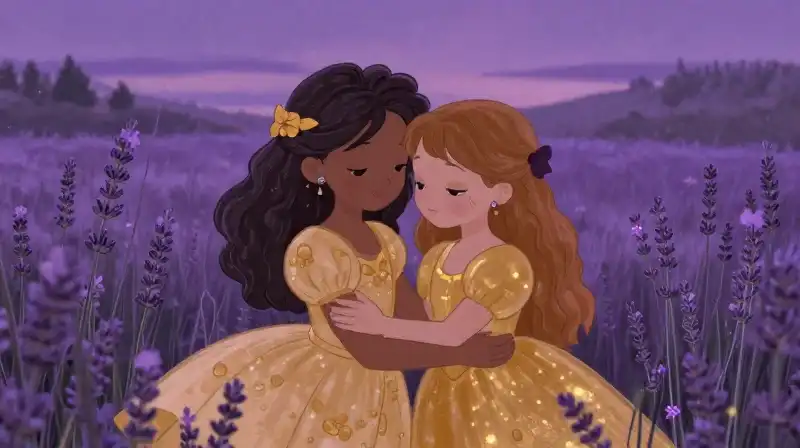
The contemporary revival of romantic fairy tales has brought powerful and necessary expansions to the genre. Modern storytellers are unafraid to reimagine ancient archetypes to reflect the full spectrum of human desire, making these tales relevant to a wider modern audience. This evolution is a gift to the child, as it validates all forms of affection.
Reimagining the Classic Archetype
Traditional narratives frequently involve the “Golden Touch,” a powerful archetype seen in “The Golden Touch,” where the greedy King Midas must contend with the beauty and strength of his daughter, Princess Ariadne [1]. This classic setup provides a clear moral framework: true love requires the surrender of possession and the recognition of worth beyond material wealth. Meanwhile, “The Golden Mermaid” [2] offers a different look at archetypes, often placing a character in a liminal state—between worlds—where their inherent worth is linked to their unique connection to nature and magic.
Queering the Canvas of Destiny
One of the most vibrant recent shifts in the genre is the incorporation of diverse relationships. Stories like “The Rainbow Kings (Gay)” and “The Slumber Curse (Gay)” challenge the expectation of a single, heteronormative romantic path [1]. These modern tales use the traditional mechanisms of fate and curses—such as a prince who hasn’t found love until young knight Zion enters his life—to explore the universal feeling of destiny and belonging, showing that profound, fulfilling love can take countless beautiful forms [1]. This blending of ancient folklore with contemporary emotional truths is exactly what makes modern romantic fairy tales so rich.
Practical Guide for Bedtime Storytelling: Using Romance to Soothe and Engage
For parents and educators, romantic tales can be powerful tools. Instead of simply summarizing plot points, we can use the specific themes identified here to foster deeper reflection in children, helping them navigate their own emotions with vocabulary and empathy.
Focus on Emotional Depth Over Plot
When reading a story about “Baker and Baxter,” where characters share a chalice of wine and laugh while stuffing pies at a wedding [1], focus the discussion on the *feeling* of shared joy and companionship. This teaches children about the comfort of domestic love and the joy of small, everyday connections. For older children, narratives like the poetic search of “Rosanie/Rosanella and Heart of Ice” [2] can introduce the concept of “emotional temperature”—the idea that some bonds require a deep, sustained effort and warmth to melt resistance.
Curating a Soothing Narrative Atmosphere
To create a calming bedtime ritual, select stories with “celestial connections” and soft colors. The tale of “Caleb And The Moon” is ideal because the gentle imagery of the moon shining on a cradle bed [1] establishes a peaceful, consistent rhythm. This focuses the child’s attention on the sublime and consistent rather than the dramatic conflict. Conversely, tales featuring the intense darkness of a “Curse Of A Black Rose” may be too intense for a child requiring immediate calm, as the theme of inescapable “dark love” can be overwhelming if not handled with great care [1].
The blend of ancient folklore and contemporary resonance, as seen in the retelling of stories like “East of the Sun, West of the Moon” [2], ensures that these tales always remain relevant. By acknowledging the roots and celebrating the reinvention, we give children a deeper, more nuanced map of how love works—a map full of enchantment, courage, and beautiful variety.
Sources
- Romantic Fairy Tales - 70 Love Stories | Fairytalez — fairytalez.com
- Can anyone recommend any romantic fairy tales I may not have heard of? : r/FolkloreAndMythology — reddit.com
Frequently Asked Questions
What are the classic fairy tales about love?
Classic fairy tales are often characterized by the archetype of a dance between a prince and a princess leading to a happily ever after ending. One specific traditional narrative mentioned is "The Golden Touch," where the greedy King Midas must contend with his daughter, Princess Ariadne.
Related Articles