
Hansel and Gretel: The Symbolism of Hunger, Courage, and the Magical Forest


Introduction
Fairy tales often function as a crucible, forcing us to examine fundamental truths about survival, family, and the wilderness. In Hansel and Gretel, a story that has been adapted into countless illustrations and cinematic interpretations, the danger is always immediately apparent: a house made of sweets, a hungry stepmother, a dark wood. However, to view this tale only through the lens of a scary old witch or a tempting cake is to miss its profound depth. Hansel and Gretel is not simply a “scary story” or a “sweet adventure”; it is a meticulous study in contrasts. It examines the stark, grinding reality of poverty and neglect against the illuminating, sometimes perilous, promises of magic, and celebrates the fierce, resilient bond between two siblings.
The Weight of Deprivation: A Tale of Poverty and Neglect
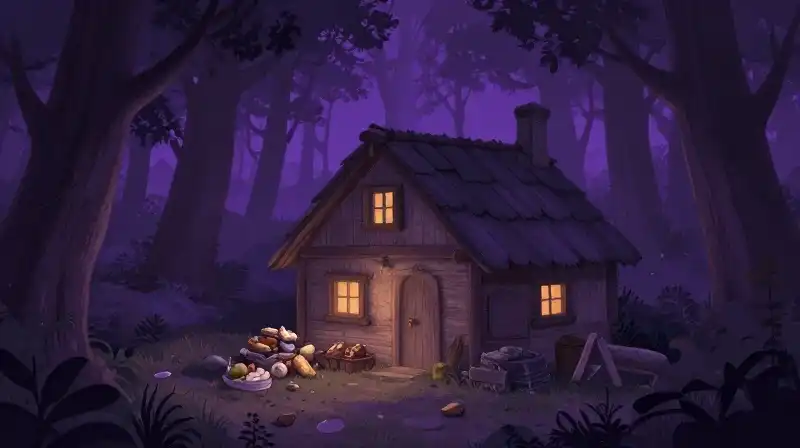
At its core, the story is not about magic at all—it is about extreme want. The narrative is built on a foundation of deprivation. Hansel and Gretel are not simply on a journey; they are forced away from home because their home cannot sustain them. The stepmother’s intent is driven by a harsh cruelty and a desire to eliminate the children, as seen in the moments where she actively attempts to force them into the woods [2]. This pervasive theme of scarcity—the transition from meager soup and bread to the lavish temptation of the forest or the witch’s house—is a powerful reflection of the hardships faced by many historical families [2].
The Cruelty of the Antagonist
The stepmother functions as a clear embodiment of neglect and depravity, representing a direct threat to the children’s physical safety and well-being [3]. By attempting to force them out or wishing for their removal, she establishes the narrative conflict, setting up the children’s journey into the unknown as a necessary act of survival. The story forces the reader to confront the real-world consequences of poverty: the vulnerability of a family when basic needs are ignored [2].
Navigating the Dark Forest: Symbolism of the Path
The “dark, mysterious forest” is perhaps the most potent symbolic setting in the story. In both its more traditional and gentler versions, the forest serves as more than just a backdrop; it is the key place that the siblings must navigate. It represents the scary, uncertain, often daunting path of childhood hardship itself [1, 2]. It is the threshold between safety and desperation.
The Lost and the Found
The attempts made to find their way home are rich with symbolism, demonstrating the evolving nature of hope. In one classic version, Hansel attempts to leave a trail of breadcrumbs, a seemingly logical path back [2]. Yet, this initial strategy fails when the birds destroy the bread, suggesting that simple, predictable methods often cannot solve deep, systemic problems. Hansel’s successful alternative is the use of white pebbles from the garden [3]. These pebbles, illuminated by the persistent light of the moon, symbolize a consistent, unwavering hope that can overcome immediate, destructive obstacles. The pebbles represent a small, personal act of determination and memory that allows them to re-establish a connection to home [3].
Fairy Guidance vs. Wilderness Threat
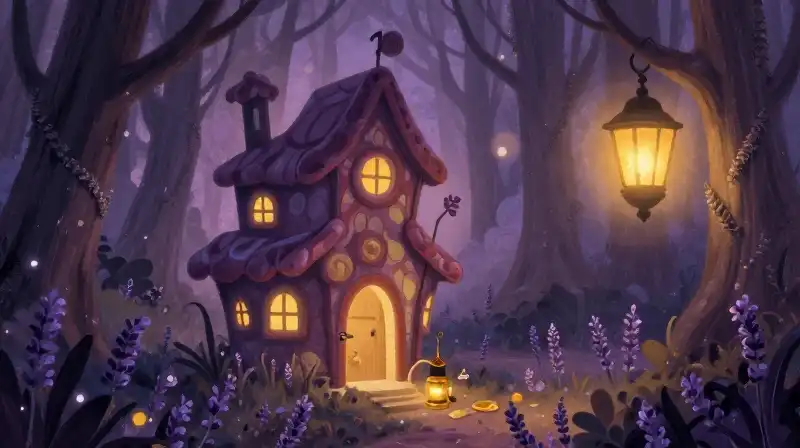
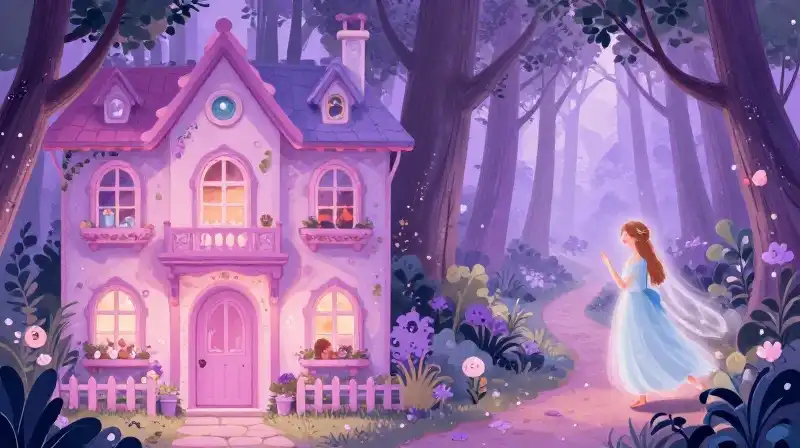
Depending on the retelling, the forest transitions between being an antagonist and a guardian. Some versions present the dark woods as a relentless threat that must be escaped [2], while the most comforting readings introduce a benevolent “Fairy of the Forest” [1]. This Fairy acts as a guide, blesses the children with food and seeds, and ultimately helps them find their way home [1]. This variation reframes the forest, transforming it from a place of terror into a place of restorative magic and life-giving abundance [1].
The Two Paths of Encounter: The Witch’s House vs. The Fairy’s Bounty
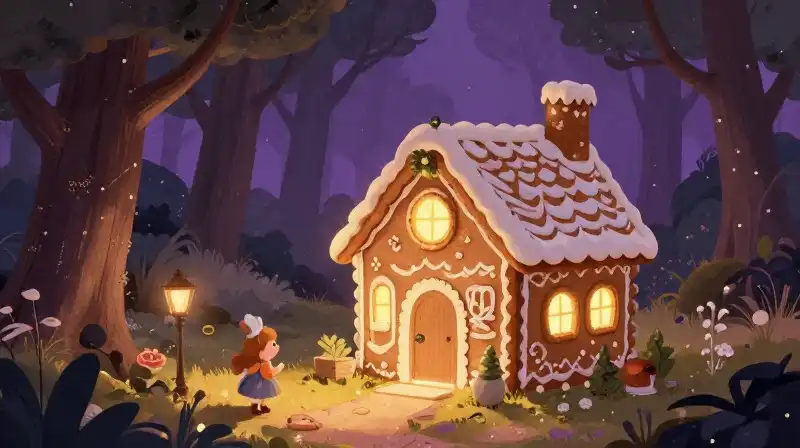
The destination of the children—the ultimate destination of their journey—provides the most striking contrast in the tale. In the more traditional, suspense-filled version, the “magical haven” is revealed to be a deception. The candy house, initially appealing, traps them in a terrifying scenario [2].
| Symbolic Encounter | The Scary Reality ([2]) | The Gentle Magic ([1]) |
|---|---|---|
| The Dwelling | A deceptive house of sweets that masks predatory intent. | A forest path guarded by a benevolent, healing spirit. |
| The Threat | An old witch attempting to fatten Hansel, representing the fear of physical captivity and predation. | The uncertainties of survival, resolved by a natural, guiding force. |
| The Resolution | Gretel’s decisive ingenuity: trickng the witch into the oven, demonstrating bravery. | A positive, comforting return to family guided by communal sharing and seeds for the future. |
The Power of Ingenuity and Sisterly Love
The climax of the traditional version [2]—Gretel’s clever action of trickng the witch into the oven—is a powerful demonstration of survival through wit. It highlights the vital strength found in their bond; they “loved each other very much” [1]. But even in the gentle version, this loyalty remains central. Whether the children are saved by sisterly bravery or by the gentle guidance of a fairy, their unwavering commitment to one another is what makes their survival possible [1, 2].
Frequently Asked Questions: Hansel and Gretel Explained
Sometimes, the simplest questions hold the greatest curiosity. Here are answers to common inquiries about this famous tale.
- Do Hansel and Gretel die in the original story? The general consensus across the available versions is that they do not die. While the trials they face are severe, the narrative consistently concludes with their survival and eventual return to a safer, warmer environment [2].
- What makes the witch scary? The witch is a symbol of physical danger and “predatory behavior” [2]. She is not just a monster; she is a manifestation of the threat of starvation and captivity, which is why her intent to fatten Hansel is so deeply tied to the central theme of hunger and neglect.
Bringing the Tale Home: Practical Guidance for Bedtime and Classroom
The variations of Hansel and Gretel offer different emotional anchors for families and educators. When selecting a version for a younger audience, the differences in tone can be highly practical:
- For a Soothing Bedtime Story: The version guided by the Fairy of the Forest [1] works beautifully. Its ending—focused on communal sharing and the blessing of seeds—offers a sense of gentle, hopeful closure, transforming the scary woods into a place of peaceful renewal.
- For a Courage and Problem-Solving Lesson: The traditional, suspense-filled adventure [2] is ideal for slightly older children. It offers a dynamic narrative where the “scary” elements require active, thoughtful solutions (like Gretel’s cunning), allowing the child to process the themes of ingenuity and resilience.
Hansel and Gretel remains a timeless narrative because it grounds monumental themes—poverty, courage, and betrayal—in the intimate scale of two small siblings. It reminds us that even when life feels like a hungry forest, the bond we share and the hope we cling to (like the shining pebble) can illuminate the path home.
Sources
- Hansel and Gretel — readthetale.com
- Hansel and Gretel — worldstoriesbank.org
- Hansel and Gretel (Text + Audio) — thefablecottage.com
Related Articles