
Magical Bedtime Stories: How Enchantment Nurtures Courage and Sleep


Introduction
When the day’s frantic energy settles into the quiet hum of night, we often seek a narrative that does two things: transport us gently, and affirm the strength we carry inside. For parents of pre-teens and tweens—those pivotal ten-year-olds who are balancing burgeoning independence with the comfort of familiar routines—finding a perfect bedtime story often feels like a subtle art. It requires a tale that is expansive enough to spark imagination yet grounded enough not to ignite an anxious sleep. Magical stories, at their best, are not just a beautiful facade; they are a sophisticated framework for emotional growth, where enchantment acts as a metaphor for inner resilience, wit, and the transformative power of courage.
Magic Stories is dedicated to exploring these intersections. We look past the glitter to find the “why” behind the wonder—examining how symbols, magical creatures, and challenging plots can provide a rich, meditative landscape for winding down while simultaneously deepening a child’s understanding of themselves. Whether it is the subtle defiance of a royal princess or the necessary wisdom required to outsmart a sorcerer, the most potent myths use the fantastical to illuminate very real developmental milestones, from accepting consequences like in *Spelling Troubles!* [1, 2] to finding one’s true self amidst transformation, as seen in poetic retellings of *Beauty and the Beast* [1, 2].
The Architecture of Magical Bedtime
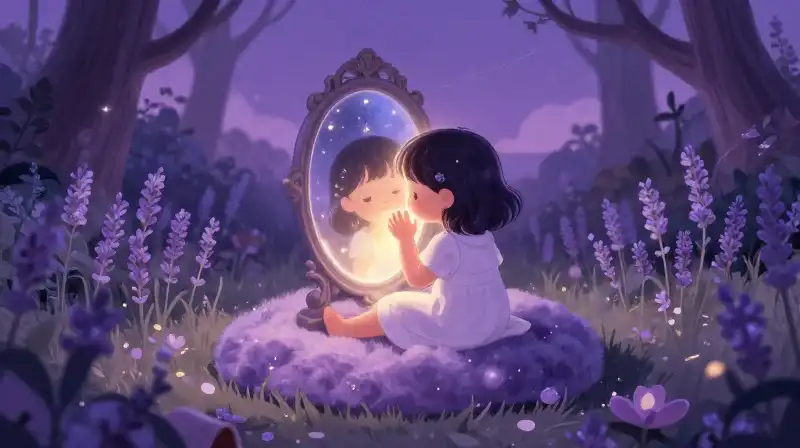
For the child approaching adolescence, the “magic” of a story should transition from external fantasy to internal exploration. A truly effective bedtime narrative provides atmospheric immersion, utilizing sensory elements—the smell of a certain garden, the cold spray of the sea, the whispers of a wicked mirror—to slow the heartbeat and focus the mind. These stories provide worlds that are tangible and safe, even when they contain dark elements. The goal is not merely entertainment, but a guided journey that culminates in a sense of safety and profound understanding.
Navigating Themes: Power, Wit, and Inner Strength
The most powerful stories are those where the hero’s success isn’t achieved through luck, but through a combination of courage and intelligence. This is the domain of the classic magical conflict.
- The Power of Intellectual Magic: In tales such as *The Boy and the Sorcerer*, the conflict is often less about brute force and more about the virtue of cleverness. These narratives allow young minds to explore the idea that magic itself can be overcome through wisdom and strategic thinking [1, 2]. It’s a sophisticated concept for a ten-year-old: recognizing that courage isn’t just bravery; it’s knowing when and how to be smart.
- Transformational Identities: The magic of *Beauty and the Beast* serves as a profound examination of identity. By focusing on the inner essence of the characters—their capacity for love, courage, and the inherent desire to be known—these stories offer a deep dive into how characters change, or “transformational magic,” occurs within the soul [1, 2]. This provides a perfect narrative for discussing emotional growth.
- Defying the Norm: For the child wrestling with rules and expectations, narratives like *The Twelve Dancing Princesses* are invaluable. These princesses embody the act of “defying rules and discovering their inner power” [1, 2]. They teach that true growth often requires pushing against boundaries, allowing readers to process the tension between social expectations and personal self-discovery in a safe, fictional environment.
When Creatures Serve a Purpose: Mentors and Guides
Magical creatures in literature are rarely just props; they often function as symbolic guides, echoing archetypes that aid the hero’s psychological journey. The White Cat, for instance, acts as a literal “guide in a royal quest,” suggesting that magical companions represent the internal aids—intuition, instinct, or steadfast loyalty—that children need to navigate their own challenges [1, 2].
The Stylistic Magic: Poetic Structure and Setting
Not all enchantment is a narrative; sometimes it is a purely stylistic experience. Stories like *The Snow Queen* exemplify a “magical poetic retelling,” using structure and imagery (the wicked mirror’s spell) to create a hypnotic rhythm. The use of such poetic forms can be exceptionally soothing, turning the act of reading into a rhythmic, meditative ritual that facilitates the transition to sleep, combining the thematic lessons with a gentle, musical delivery [1, 2].
Practical Story Selection: Which Tale for Which Need?
Understanding the thematic depth is only half the battle; the other half is knowing how to apply that depth to a calming bedtime routine. The following analysis provides concrete choices for children in the ten-year-old range.
For Nurturing Resilience and Growth Mindset
If your child is struggling with perceived shortcomings or the frustration of “not being able to do something,” look for stories that turn a minor struggle into a global magical event. In *Spelling Troubles!*, the protagonist’s ignored spelling words physically manifest in everyday life. This structure is a perfect narrative device to teach consequences, patience, and the foundational concept of a growth mindset—that failure is merely a narrative step toward mastery [1, 2].
For Quiet Confidence and Empathy
The most effective bedtime stories often center on the nuances of family and emotional connection. *Long-Lost Uncle Doran*, for example, uses the playful medium of postcards to teach lessons on curiosity, mistakes, and the enduring power of family connection through adventure [1, 2]. This teaches children that even when we are “lost,” the threads of connection remain strong, a comforting idea for the winding down hours of the day.
For Sensory Immersion and Atmospheric Peace
To create the ultimate soothing environment, choose stories rooted in highly atmospheric settings—gardens, ancient seas, or enchanted landscapes. These stories tap into the primal comfort of “place” [1, 2]. Reading about a serene, yet magically charged, environment encourages the mind to drift into the details of the setting, rather than ruminating on the day’s stresses. These narratives allow children to explore “Nature,” “Weather,” and “Seasons” as elements of a beautiful, ordered world.
Addressing Common Questions About Magical Bedtime Stories
What are the best bedtime stories for ten year olds?
While the definition of “best” is subjective, for the 10-year-old, the optimal story is one that honors their capacity for complex thought. Rather than simple fairy tales, these stories should involve moral ambiguity and deep character work. Look for tales that feature:
- A clear thematic thread (courage, justice, identity).
- A compelling magical structure (a curse, a quest, a transformation).
- A variety of forms, such as poetry or modern retellings [1, 2].
The stories mentioned above—such as *The Boy and the Sorcerer* or the various versions of *Beauty and the Beast*—provide the intellectual complexity appropriate for this age group while retaining the wonder necessary for sleep.
Why does magic work so well as a bedtime theme?
The inclusion of “Magic” and “Sleep” in a single thematic space works because the brain naturally seeks patterns and explanations for the unknown during moments of quiet. Magical stories provide a safe way to explore the “unknown” of the world. By externalizing big concepts—like time, change, or courage—into magical symbols (a spell, a wand, a magical creature), the stories provide a digestible, emotionally resonant framework for the child to process their own complex feelings about growing up. The wonder of the tale gives the anxieties of the day a beautiful, manageable shape [1, 2].
Finding the Universal Morality in Myth
At the deepest level, all these variations in magic serve the same function: they teach emotional intelligence. The category of “Morals” in children’s literature is not about rigid rules; it is about mapping specific actions to emotional outcomes. When we examine tales that teach “Empathy” or “Kindness,” we see a powerful link between the magical action (like a helpful creature’s guidance or a princess’s defiant act) and a learned social skill. These narrative touchpoints allow children to practice emotional reasoning in a risk-free space, which is the ultimate goal of a well-told story before sleep [1, 2].
Synthesis: The Lasting Glow of a Good Tale
A magical bedtime story is far more than a diversion; it is a quiet lesson in human capacity. It reassures the reader that while the world is complex, and rules sometimes need breaking, and dangers are real—like the spell of a wicked mirror—the tools for survival are already within them. The combination of stunning imaginative scope and deep thematic purpose ensures that the story does not merely end when the book closes, but continues to shimmer with meaning long into the child’s sleep.
Sources
- Age 7-12 | Bedtime Stories — storyberries.com
Related Articles