
Danielle Steels Cinderella: A Modern Napa Valley Adaptation

Introduction
Some fairy tales never truly retire; they simply adjust their dress, swap their cottages for chateaus, and move their magic from the dark woods to the sun-drenched vineyards. Danielle Steel’s *Fairytale* is a sophisticated example of this modern shift, taking the beloved, bittersweet architecture of Cinderella and transplanting it into the opulent, tranquil world of Napa Valley wine country. It is a story that asks parents and children alike to look closely at how modern life challenges ancient tropes—what happens when the ‘happily ever after’ depends not on a ball, but on a business deal, and a ‘prince’ is simply a genuine companion?
Cinderella Reimagined: The Napa Valley Castle

In this version of the classic tale, the idyllic setting is not a crumbling manor, but a meticulously cultivated landscape: a sprawling vineyard and a chateau. This lush backdrop serves as the central “castle,” but it is a castle built on intellect and legacy rather than medieval magic [1, 2]. The protagonist, Camille, carries the substantial weight of this inheritance. She is not just a girl waiting for rescue; she is the inheritor of her parents’ intellectual and professional acumen, specifically the foundation built by her late mother, Joy [1, 2].
The story deftly positions the estate as a symbol of what was achieved—a life built through hard work, business sense, and the love for winemaking. Joy’s passing from breast cancer establishes a profound emotional core to Camille’s journey, giving her quest for security and belonging a very real, grounded motivation. This contemporary setting allows the narrative to bridge the gap between the whimsical and the practical, grounding the “fairytale” in the concrete world of agricultural business.
The Archetype of Antagonism: Sophistication vs. Greed
In any good Cinderella story, the stepmother figure looms large, yet Danielle Steel gives this role a strikingly modern, almost corporate edge. Maxine, the “sophisticated French lady,” functions as the primary antagonist [1, 2]. She is the modern incarnation of the greedy stepmother archetype who views the estate not through the lens of family history or sentimental value, but purely as a financial asset to be claimed.
What makes Maxine effective is the way the author uses status and refined presentation to mask base motives. She embodies the danger of superficial perfection and social climbing. The conflict is therefore not merely about who deserves the money, but a clash of values: the legacy of genuine love and intellectual heritage (represented by Joy and Camille) versus the hollow, predatory ambition of perceived high society (represented by Maxine) [1, 2]. This conflict offers a subtle, sophisticated lesson for older children about the difference between true wealth and material gain.
Character Deep Dive: Camille’s Modern Burden
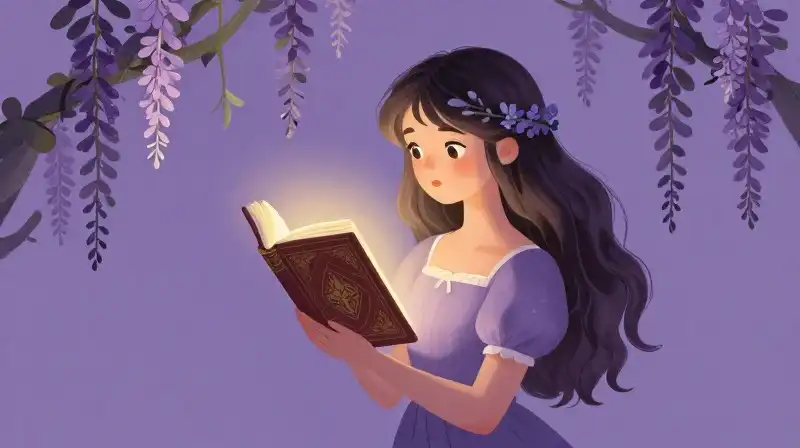
Camille is the emotional anchor of the book, yet her portrayal raises interesting questions about modern female agency in storytelling. She inherits her mother’s impressive intellect and the responsibility for the family business, positioning her as a competent inheritor. However, the narrative choice to depict her as timid or “meek” is a point of frequent critique among readers and critics [1, 2]. This highlights the tension between traditional storytelling structures and the expectations of a contemporary female protagonist.
The story struggles slightly with Camille’s internal confidence, seeming to place her in a position of vulnerability despite her immense responsibilities. This reinforces a subtle narrative reliance on external forces—like a “White Knight”—to resolve her situation, mirroring traditional Cinderella tropes [1, 2]. Yet, when paired with the educational context of her life in Napa Valley and her mother’s history, her struggle becomes less about damsels in distress and more about the burden of preserving a family name and a dream in a complicated world.
The Role of the Quirky Guide
Amidst the high-stakes drama of the estate and the tension with Maxine, we find a necessary grounding element in the “wise grandmother” figure. This character, often described as a feisty, quirky older lady from France, serves as a vital source of cheer and grounding in the midst of the intense conflict [2]. This figure represents the enduring power of familial love and quirky wisdom—the “fairytale” heart that resists the cold logic of the business deals and the competitive nature of the stepfamily. She provides a vital counterbalance, reminding the reader of the warmth that should exist within the walls of the chateau.
The Hybrid Fairytale: Old Tropes, New Settings
The core interest in Danielle Steel’s *Fairytale* lies in its hybrid narrative style. It consciously uses the “fairytale” elements—the stepfamily, the lost inheritance, the ultimate quest for a soul mate—but sets them within specific, modern, highly-developed scenes. This juxtaposition creates a unique atmosphere where the magical feeling of a story meets the tangible details of modern life, such as specific winemaking processes and Camille’s contemporary education [1, 2].
Common Critiques and Narrative Predictability
It is helpful for parents and educators to approach this book with an awareness of its structure. Reviewers have noted that the narrative often follows very recognizable, clichéd plot points, such as the father’s sudden death and the arrival of the ‘White Knight,’ which can feel familiar and somewhat regressive [1, 2]. This predictability can occasionally detract from a surprising modern twist. However, this reliance on recognizable tropes is exactly what grants the book its strong sense of atmospheric world-building [2]. The lush, descriptive focus on the Napa Valley lifestyle makes the setting itself as captivating as the characters, providing a rich visual foundation even if the plot is expected.
| Feature | Traditional Fairytale Element | Modern Adaptation in Fairytale | Symbolism/Meaning |
|---|---|---|---|
| The Setting | The Enchanted Forest/Cottage | The Napa Valley Vineyard and Chateau | Legacy, Sophistication, & Grounded Ambition |
| The Conflict | Magic/Enchantment (e.g., Fairy Godmother) | Financial/Business Stakes (The Estate) | The clash between tradition vs. contemporary ambition |
| The Resolution | The “Royal Ball” / Magical Intervention | Finding Genuine Companionship / Business Resolution | The quest for authentic connection in modern life |
Addressing Your Questions: What is the Fairytale Danielle Steel about?
To answer the central curiosity: *Fairytale* is fundamentally about the preservation of family legacy and the search for genuine connection against a backdrop of overwhelming material temptation. It is a story that uses the familiar shape of Cinderella to examine how powerful forces—love, business acumen, greed, and social status—interact in modern, opulent environments. While it employs classic Cinderella plot lines [1], its unique “castle” is a vineyard and its central tension is the defense of hard-won intellectual and emotional heritage rather than the theft of a glass slipper.
The Value of This Modern Adaptation for Families
For parents and educators, *Fairytale* offers a beautiful, though sometimes conventional, entry point into complex themes like professional inheritance, the meaning of family history, and the pitfalls of materialism. Its strength lies in its immersive world-building; the smell of the vineyard and the grandeur of the chateau provide a deeply sensory experience [2]. It encourages a conversation about what “true worth” is—is it the beauty of the land, the strength of the family, or the shine of the estate? By providing a richly detailed, if slightly predictable, modern framework, it allows children to see the old stories through a new lens, making the classics feel fresh and relevant to their own modern lives. It is a story that allows children to find solace in the warmth of a well-built world while thinking about the weight of history and the importance of choosing genuine companionship over superficial wealth.
Sources
- Fairytale — goodreads.com
- Book Review: Fairytale by Danielle Steel — bookmarksnblankets.com
Frequently Asked Questions
What is the fairytale Danielle Steel about?
*Fairytale* is fundamentally about the preservation of family legacy and the search for genuine connection against a backdrop of overwhelming material temptation. It uses the familiar structure of Cinderella to examine how forces like love, business acumen, greed, and social status interact within modern, opulent environments.
Related Articles