
The Enchanted World of Sidhe: A Journey Through Irish Fairy Tales

Introduction
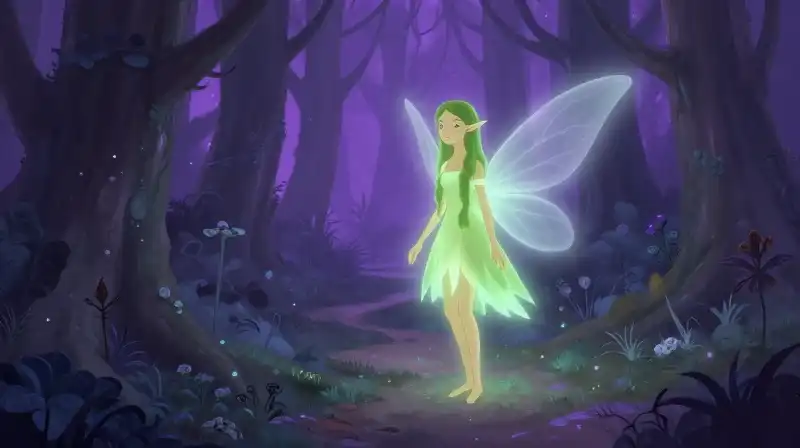
To step into the world of Irish fairy tales is to enter a place where the veil between the mundane and the magnificent is thin and shimmering. These stories—often rooted in the rich soil of the Sidhe, the magical inhabitants of the faery realm—are far more complex than simple tales of good versus evil. They are living tapestries of ancient wisdom, exploring the delicate, often perilous relationship between humanity and the wild magic of the landscape.
While many modern storybooks present fairies as purely whimsical, traditional Irish lore is far more nuanced, presenting beings who are both benevolent and dangerously complex. By examining the structure, the characters, and the underlying superstitions of these tales, we find not just lovely bedtime stories, but profound meditations on birth, fate, and the powerful allure of the unknown.
The Echoes of Tradition: Oral Lore and Literary Roots
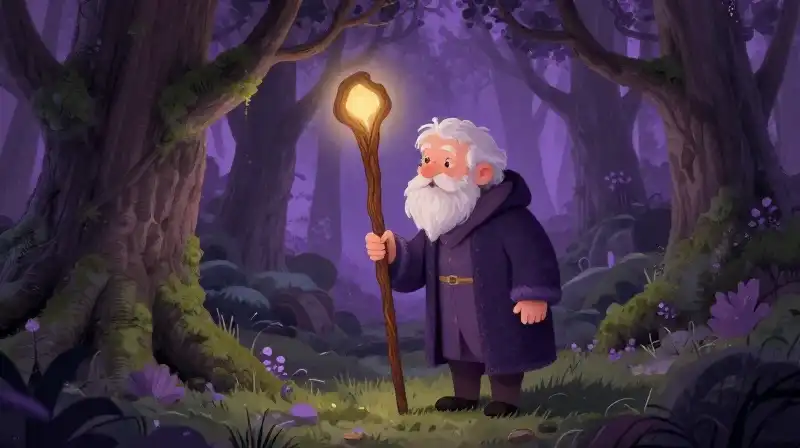
Understanding Irish folklore requires understanding its origins in the oral tradition. Before being written down, these stories were kept alive by specialized roles. The Seancaithe preserved local histories, while the Scéalaí safeguarded the great epics of heroes and legends [1]. When we look to James Stephens’ 1920 collection, Irish Fairy Tales, we are engaging with a definitive literary example of this rich tradition, set within a wooded, medieval Ireland, featuring legends like the formidable Fianna and their captain, Fionn mac Uail [2, 3]. This setting is crucial: the wild landscape of Ireland is not merely a backdrop; it is an active, enchanted presence.
The Creatures of Ambiguity: Faery and Family
Few beings in Irish folklore challenge the modern notion of the “harmless fairy” as much as the Changeling. This creature serves as a potent reminder of the vulnerability of new life and the unpredictable nature of nature.
The Changeling: A Symbol of Malice and New Life
The Changeling represents a deep-seated ancestral fear among Irish families: the malicious possibility that a newborn baby could be replaced by a faery creature. These Changelings are not portrayed as simple misfits; they are beings driven by pure malice or perhaps a desire to establish servile relationships, making the concept a serious symbol of danger for new parents [1].
Myth vs. Modern Lore: The Leprechaun
When people ask about a small Irish fairy who brings good luck, they are often referring to the Leprechaun. However, it is vital to distinguish this modern image from the older traditions. The traditional, ancient lore does not include the Leprechaun; rather, early forms involved solitary, skilled shoemaking fairies associated with hidden caches of gold [1]. This contrast perfectly illustrates the evolution of folklore—where deep ancestral traditions meet later popular cultural interpretations.
Epic Heroes and the Quest for Knowledge
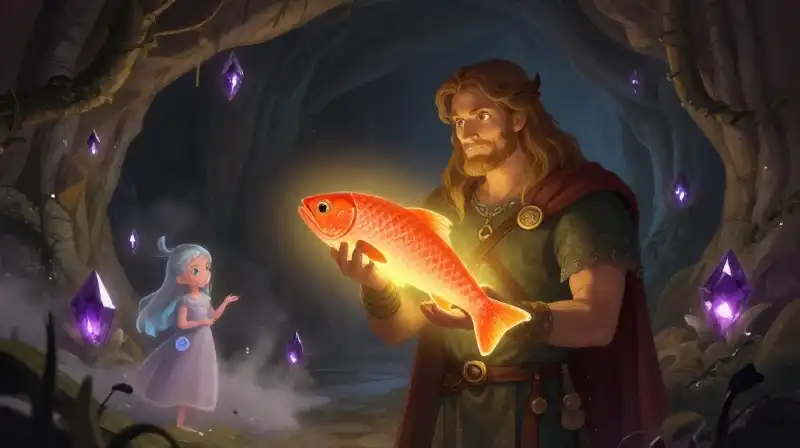
Irish folklore offers powerful counter-narratives to the simple “good boy” protagonist. Heroes in these tales are defined not just by physical strength, but by wisdom and profound spiritual seeking. Fionn (or Finn MacCool) is the ultimate example, representing the union of power and knowledge [2].
In tales like those involving Fionn, the quest is often spiritual. Consider the motif of capturing a “salmon of knowledge”—a powerful symbol that represents enlightened wisdom and ancient power, far surpassing mere brute strength [1, 2]. These heroes must often navigate the wild magic of the land, even through enchanted realms like the “Enchanted Cave of Cesh Corran,” where faery royalty attempts to lure and weaken warriors with their sorcery [1, 2].
Beauty, Transformation, and Tragic Fate
The concept of transformative characters is central to the Irish worldview, reflecting the cyclical nature of life and the sheer unpredictable power of nature. Characters often cycle through radical metamorphosis [2].
Metamorphosis in Tuan mac Cairill
The tale of Tuan mac Cairill demonstrates this vividly. He undergoes a powerful transformation, cycling through forms as disparate as a stag, a boar, a hawk, and a salmon. This illustrates the cyclical nature of life and the constant change inherent in the wild faery world [2].
Deirdre and the Weight of Beauty
The character of Deirdre is a profound study of tragic beauty. Due to a powerful prophecy, she becomes the most astonishingly beautiful woman in Ireland, yet her magnificence is not a blessing. In Irish lore, this extreme beauty leads directly to bloodshed and her eventual tragic demise [1]. Unlike modern fairy tales where beauty often grants happily ever after, Deirdre’s story emphasizes the terrible cost of perfection and the dangerous power of fate.
Navigating the Wild Magic: A Visual and Bedtime Guide
If you are looking for a guiding theme or a visual reference for these stories, focus on the contrast between the human, mortal world and theSidhe world. The journey through the Enchanted World is often a journey through intense contrasts.
| Element | Irish Symbolism / Meaning | Narrative Function |
|---|---|---|
| Celtic Knots | Life, interconnectedness, eternity | Visual representation of the timeless nature of the tales [1]. |
| The Wild Landscape | Enchantment, unpredictability, primal magic | The threshold between the human world and the Faery domain [1, 2]. |
| The Sea/Rivers | Change, boundary, journeys (e.g., Becfola’s island) | A catalyst for time distortion or fateful decisions [1, 2]. |
For bedtime, focus on the stories of growth and wisdom, such as Fionn’s acquisition of knowledge. For educational moments, explore the contrast in narrative structure. The underlying religious superstitions and the cyclical themes of birth and death in tales like “Fair, Brown, and Trembling” (the Irish version of Cinderella) show that these aren’t just lighthearted fantasy, but narratives addressing the most serious aspects of life [1].
The Wisdom of Deeper Reading
The power of Irish fairy tales lies in their refusal to offer easy answers. They challenge the reader to understand the complexity of the Sidhe and the human spirit. Whether through the existential danger of the Changeling, the tragic elegance of Deirdre, or the profound wisdom of a salmon of knowledge, these stories invite us to look past surface-level tropes. They offer children and adults alike a rich, vibrant landscape of possibility, encouraging a deeper engagement with the stories of the past and the enduring power of the wild, imaginative spirit.
Sources
- 9 Irish Fairy Tales Filled with Magic — snowwhitewrites.com
- Irish Fairy Tales — en.wikipedia.org
- Irish Fairy Tales by James Stephens — gutenberg.org
Frequently Asked Questions
What are some Irish folk tales?
Examples of Irish folklore mentioned in the text include the collection *Irish Fairy Tales* by James Stephens, which features legends like the Fianna and Fionn mac Uail. The article also discusses stories involving transformative characters like Tuan mac Cairill and tragic beauty, such as the legend of Deirdre. Additionally, it refers to "Fair, Brown, and Trembling," the Irish version of Cinderella.
What is a small Irish fairy who brings good luck?
People who are asking about a small Irish fairy who brings good luck are often referring to the Leprechaun. The text cautions that this is a modern interpretation, as traditional, ancient lore did not include the Leprechaun. Instead, early forms involved solitary, skilled shoemaking fairies associated with hidden caches of gold.
Related Articles