
The Best Black Fairy Tales: Folktales of Culture and Courage

Introduction
Before the Disney princesses and the European castles dominate our shelves, there exists a rich, vital world of storytelling—a world steeped in African oral traditions, American ingenuity, and profound cultural resonance. Black fairy tales are not merely adaptations; they are powerful re-tellings and entirely new narratives that reclaim heritage, explore the complex machinery of identity, and celebrate the enduring spirit of the Black experience. For parents and educators seeking narratives that are both imaginative and deeply meaningful, these folktales offer more than just entertainment; they offer mirrors for culture and guides for courage.
These stories have the unique ability to take grand themes—like perseverance, the nature of greed, or the beauty of self-discovery—and weave them into magical, vivid tapestries. Whether you are looking for a soothing bedtime tale or a robust story to spark classroom discussion, these narratives possess a clarity and warmth that transcends language. We will explore some of the most influential characters and tales that are defining the modern landscape of children’s literature, offering concrete ways to connect with history, magic, and the resilience found in the Black experience.
The Wisdom of the Trickster: Deep Dive into Anansi
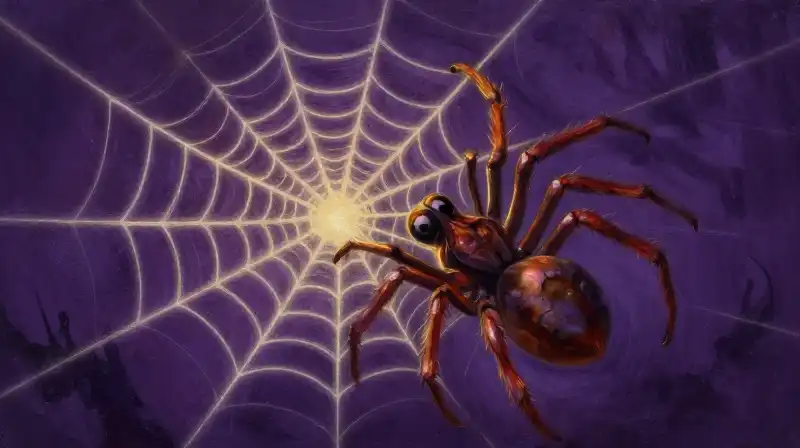
In the vast ocean of West African folklore, few characters are as beloved or as complex as Anansi the Spider. Anansi is the quintessential trickster—a figure of great intelligence, great humor, and often, great mischief. He is not a simple villain; he is a mirror reflecting the human condition itself. While some stories portray him as purely cunning, others, like those by Taiye Selasi, use his antics to deliver serious moral lessons regarding generosity and the dangers of hubris [2].
Anansi’s appeal lies in his capacity to challenge status quo. He often outsmarts those who rely on brute strength or rigid tradition, teaching children that cleverness is a powerful tool. For young readers, his stories—such as the various tales referenced in collections like *Anancy and Mr. Dry Bone* [1]—provide a perfect entry point into understanding that humor and magic can be used to convey the most profound lessons about morality.
| Character | Cultural Role | Core Theme | Example Tale/Author |
|---|---|---|---|
| Anansi the Spider | West African Trickster | Ingenuity vs. Strength; Caution against Greed | Taiye Selasi’s Anansi and The Golden Pot [2] |
| Fionna French’s Characters | African Folklore Figures | Mystical themes and the unusual | Anancy and Mr. Dry Bone [1] |
His tales offer a lively, playful way to introduce concepts of consequence and clever thinking, making them excellent for young children who are just beginning to grapple with complex ideas of right and wrong.
Voices of Courage: Black Heroes and the Flight of Freedom
If Anansi represents the clever mind, John Henry represents the unwavering, raw power of the human spirit. John Henry, the legendary American folk hero, was known for his impossible strength. In retellings like Julius Lester’s, the myth is given powerful narrative weight, beautifully amplified by Jerry Pinkney’s watercolor scenes [2]. This tale, at its core, teaches children a crucial lesson on perseverance: the idea that strength is not just in muscles, but in the refusal to give up against immense odds.
Another powerful example of this spirit is seen in the story *The People Could Fly*. Here, Virginia Hamilton uses the concept of flight to initiate a gentle, yet deeply moving, conversation about freedom and courage within the context of African American oral traditions [1]. By framing the journey through the metaphor of flight, the story subtly guides children to recognize their own potential for liberation and bravery.
Why These Characters Resonate
What makes these figures resonate across generations is their authenticity. They are not perfected, gentle avatars; they are figures grappling with strength, limitation, and the difficult search for freedom. They allow children to see themselves mirrored in narratives that affirm their inherent resilience, rather than passively observing archetypes from far removed cultural contexts.
Mapping Heritage: Identity and Cultural Blending
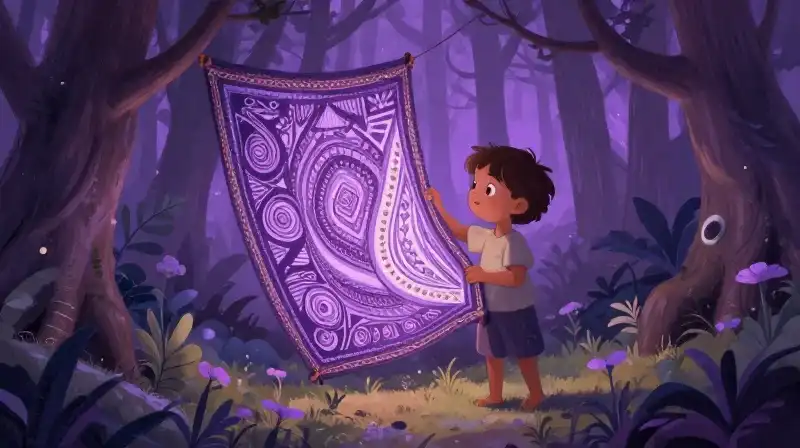
Black fairy tales are also vital historical documents, capturing the intersection of different cultures and the beauty of mixed heritage. These stories celebrate the unique experience of identity, a theme that is often oversimplified or ignored in mainstream children’s literature.
Zora Neale Hurston’s writing is adapted into children’s books like *Magnolia Flower*. This tale serves as a beautiful and vital representation of intermingling cultures, specifically exploring the life of a child with both Black and Native American heritage [2]. Such stories allow children to understand that history is not a series of neat categories, but a rich tapestry of shared experience and lineage. They teach acceptance and celebration of unique ancestry.
Similarly, the concept of Caribbean identity is beautifully explored in *Cendrillon: A Caribbean Cinderella* by Robert D. San Souci and Brian Pinkney. This narrative takes the classic Cinderella structure and infuses it with a vibrant cultural twist, shifting the focus from mere magical rescue to a celebration of the character’s internal resilience, hope, and joy in fully embracing her unique cultural identity [2]. It is a reminder that hope is not just a passive wish, but an active affirmation of self.
The Visual Language: Art as Storytelling
In these culturally rich tales, the illustrations are often as important as the words, setting a powerful visual and emotional tone. The work of artists like Jerry Pinkney and Brian Pinkney is instrumental in transforming classic narratives while simultaneously celebrating Black culture and African roots.
Pinkney, for example, reimagined European tales, such as *The Little Mermaid*, by introducing a Black heroine and using African-inspired underwater imagery. This wasn’t simply a change of skin tone; it was a profound shift in thematic focus, centering the story on self-discovery and compassion, moving away from typical Eurocentric romantic tropes [2]. Brian Pinkney continues this rich tradition with illustrated versions of classic stories like *Thumbelina*, bringing a unique perspective to the beauty of nature and the spirit of adventure [2]. The illustrations thus become an act of cultural reclamation, proving that these classic structures can be imbued with fresh, deeply rooted meanings.
Finding Your Bedtime Companion: Themes and Lessons
For parents and educators, finding the right story depends on the lesson you wish to impart and the age of the listener. Some tales are designed to soothe, while others are designed to challenge and inspire deep thought.
Tale Analysis by Lesson:
- The Power of Inner Goodness (A Lesson in Empathy): *Mufaro’s Beautiful Daughters* by John Steptoe is a profoundly gentle story about two sisters. Its core theme—that true worth resides in kindness rather than outward beauty—is ideal for teaching children early moral lessons about empathy.
- The Moral Compass (A Cautionary Tale): *Anansi and The Golden Pot* by Taiye Selasi provides a perfect example of how humor and magic can teach serious lessons about greed. The trickster, Anansi, provides the setup for a clever, humorous, yet ultimately impactful lesson in consequence.
- Overcoming Adversity (A Story of Grit): *John Henry* (in Lester/Pinkney’s retelling) is an excellent, high-energy choice for older children or those needing a strong affirmation of their own inner strength and tenacity.
- Exploring Magic and the Mystical (A Journey into the Unknown): For children who are drawn to the strange and wondrous, *Anancy and Mr. Dry Bone* offers specific examples of mystical stories that lean into the theme of the unusual and magical within African folklore [1].
Answering the Big Questions: Culture and Fairy Tales
When people ask, “What are some black fairy stories?” or “Are there African fairy tales?” the answer is not a single book, but a vast, living tradition. The narratives we have discussed—from the trickery of Anansi to the journey of the People who could fly—are direct expressions of African oral traditions blended with American experiences. They demonstrate that ‘fairytales’ are merely a format, and the true content is the cultural wisdom within the story. Resources like Henry Louis Gates’ *The Annotated African-American Folktales* provide scholarly depth, helping readers understand the cultural context behind these beautiful narratives [1].
Synthesis: Why This Matters for the Reader
These collections of Black fairy tales are far more than charming stories for a quiet evening. They are essential cultural touchstones that celebrate the richness of history and the enduring power of the human spirit. They teach children to be curious, to value inner strength over outward appearances, and to understand that heritage is a source of joy and power. By engaging with these stories, children learn not just about magic, but about courage, compassion, and the profound resilience that defines the human experience. They open the door to a world where every child, regardless of background, can find a hero who mirrors their own potential for greatness.
Sources
- Black folk tales for children compilation : r/suggestmeabook — reddit.com
- 11 Fabulous Folktales & Fairy Tales Featuring Black Characters — mayasmart.com
Frequently Asked Questions
What are some black fairy stories?
The article mentions various titles and characters, such as Anansi the Spider, John Henry, and The People Could Fly. Other specific examples include *Magnolia Flower*, *Cendrillon: A Caribbean Cinderella*, and *Mufaro’s Beautiful Daughters*.
Are there African fairy tales?
Yes, the article notes that there exists a rich, vital world of storytelling steeped in African oral traditions. These narratives are a vast, living tradition, demonstrating that 'fairytales' are merely a format for cultural wisdom.
Related Articles