
The Difference Between Fables and Fairytales: A Parent’s Guide

Introduction
Imagine opening a heavy, leather-bound volume where the very ink seems to shimmer with ancient intent. Sometimes, you open a book and find a story—a tale meant to carry a profound, quiet lesson about honesty or courage. Other times, you open a book and find a shimmering landscape, a kingdom besieged by a wicked witch, where the world itself feels impossibly large and dazzlingly magical. These two worlds, while both children’s literature, represent fundamentally different modes of enchantment: the precise, moral glow of the fable and the boundless, glittering expanse of the fairytale. For parents and educators exploring the vast landscape of children’s literature, understanding the difference between these narrative forms is more than an academic exercise; it is the key to selecting the right story to foster a child’s specific need—whether they need a gentle moral compass or a passport to pure, breathtaking escape. We often hear the phrase “fables and fairytales,” but what exactly does that phrase encompass, and how do they serve the unique development of a young mind?
Fables: The Moral Microscope
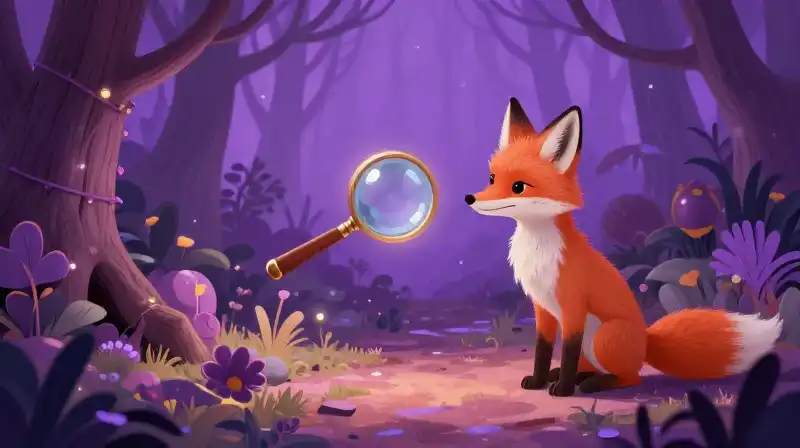
At their heart, fables are designed to teach. They function like a moral microscope, magnifying a single human characteristic or a clear ethical idea to observe its effect within a contained environment. Fables are brief, potent, and relentlessly purposeful. Their structures are tightly wound, relying on sharp, often surprising conclusions. The animal characters, for example, are rarely complex or conflicted; they are archetypes. The fox isn’t just clever; he *represents* cunning. The ant isn’t just industrious; he *is* diligence. By stripping away deep emotional baggage and massive settings, the fable ensures that the central moral—often delivered by the final line—remains clear and unforgettable. The focus is never on the adventure, but on the application of wisdom.
The Purpose of the Fable’s Narrow Scope
The genius of the fable lies in its efficiency. It asks the reader to pay attention to how a character behaves, not to where they went. Because the narrative is so concentrated on the moral lesson, it is the gold standard for teaching basic social and ethical rules to very young children. These tales provide discrete, manageable lessons that can be referenced throughout a child’s development. They are miniature lessons in human nature, polished until they gleam with a simple, golden truth.
Fairytales: The Boundless Enchantment
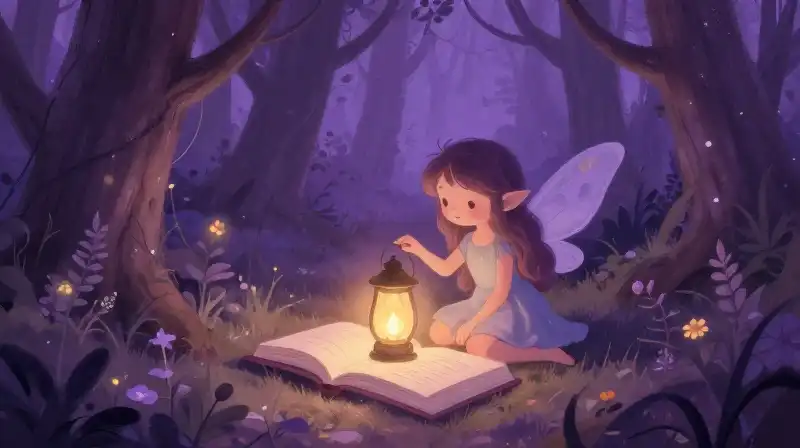
Fairytales, in contrast, are less concerned with distilling a single truth and more interested in building a whole new reality. If the fable is a precise laboratory, the fairytale is a lush, wild garden where everything—from the moss on the stones to the flight patterns of the invisible birds—is infused with magic. Fairytales are not merely stories; they are invitations to step into a world where the extraordinary is utterly normal. The characters are complex, capable of massive growth, dramatic transformation, and deep internal conflict. The journey, the trials, and the atmosphere are just as important as the lesson learned.
The Power of World-Building in Fairytale Fiction
What makes a fairytale so compelling for children? It is the ability to suspend reality entirely. A story about Cinderella isn’t just about a lost slipper; it’s about the atmospheric contrast between a gray, oppressive hearth and a towering, glittering ballroom, and the magical intervention that makes the impossible possible. Fairytales explore themes of identity, transformation, good versus evil, and the sheer wonder of the hidden world. They are expansive, often featuring a richly detailed topography—enchanted forests, twisting rivers, and looming, ominous castles that serve as living characters themselves.
| Feature | Fable | Fairytale |
|---|---|---|
| Primary Goal | To instruct and impart a clear moral. | To entertain and transport into a magical world. |
| Scope | Narrow; focused on one lesson or character trait. | Broad; focused on grand adventures and world-building. |
| Character Depth | Archetypal and symbolic (e.g., the clever Fox). | Complex and developing (e.g., Cinderella’s emotional struggle). |
| Pacing | Brief, punchy, and didactic. | Flow-heavy, atmospheric, and episodic. |
Fables vs. Fairytales vs. Folktales: Where the Terms Blur

The line between “fables,” “fairytales,” and “folktales” often feels indistinct to a casual reader, but there are subtle distinctions worth understanding. Many people ask, “Is Cinderella a fable or folktale?” The truth is, the term often depends on the narrative’s *primary function* rather than its exact composition. Fables prioritize the moral; fairytales prioritize the magic and the journey; folktales tend to be a large umbrella encompassing local stories, legends, and often containing elements of both. A classic fairytale like Grimm’s works as both a sprawling, dramatic narrative and a cautionary tale, making it a potent “hybrid” story.
Defining the Hybrid: The Folktale Context
Folktales are the broad, culturally specific narratives—the local legends, origin stories, and traditional narratives that exist within a specific community. They are often the raw material from which both fables and fairytales draw their power. While a “Fables and Fairytales” bookstore offers a wonderful selection of books spanning both genres, [1] the real magic happens when these stories are woven together. Understanding this spectrum allows parents to find the perfect blend: a folk tale might offer the vivid imagery of a fairytale, but carry the grounding in tradition that feels familiar and safe to a child.
Modern Story Worlds: From Page to Playground
The concept of these narratives has evolved far beyond the traditional printed book. While children’s literature remains a cherished tradition, the community around “fables and fairy tales” is increasingly multi-faceted. Today, the idea of these classic narratives isn’t just found on the bookshelf; it exists in community spaces and even complex digital worlds. Physical spaces dedicated to these tales, like the charming bookstore “Fables and Fairytales” [1], provide a sanctuary for young readers, complete with coloring stations and cozy corners for parents.
Furthermore, the collision of legendary tales is also manifesting in the digital realm. Modern creations, such as the strategy game “Fairytale Fables,” allow characters from these legendary stories to “collide” in competitive, enchanted PvP arenas [2]. Whether a child is browsing the aisles of a specialized children’s bookstore for their bedtime reading [1] or strategizing in a digital battlefield [2], the enduring power of these story archetypes—the brave princess, the wise wizard, the cunning villain—remains the same.
Choosing the Right Story for Bedtime or the Classroom
When selecting stories, remember this simple guideline: choose the depth that aligns with your child’s needs. If a child is struggling with a social dilemma, such as sharing or being kind, a concentrated fable provides a clear, non-judgmental model. If, however, a child is seeking pure imaginative expansion—needing to feel the pull of a distant, magical realm—a sweeping fairytale provides that rich emotional and atmospheric escape.
Practical Recommendations for Storytelling
- For the Early Learner (Ages 4-6): Focus on simple, archetypal fables. These stories provide immediate, digestible lessons. Choose tales that feature clear antagonists and heroes, where the outcome is predictable and the moral bright and certain.
- For the Imaginative Seeker (Ages 6+): Introduce richer fairytales with multiple characters and complex settings. These stories allow for discussion around theme and motivation—why did the villain act that way? What does the river symbolize in this tale?
- When Merging the Two: Select hybrid narratives. Look for tales that feature a recognizable magical element (the “fairytale” aspect) but are underpinned by a clear lesson in kindness or perseverance (the “fable” aspect).
The Remarkable Enduring Power of the Narrative
Ultimately, the difference between fables and fairytales is the difference between precision and boundless wonder. They are both powerful, yet they provide different kinds of security for the child. The fable offers the security of a defined moral universe—a world where honesty always has a defined reward. The fairytale offers the security of a magical universe—a world where even in the darkest moment, a touch of enchantment can transform the impossible into the merely difficult. Both forms, whether found in the quiet corners of a specialty bookshop [1] or the most competitive digital arenas [2], remind us that stories are not just entertainment. They are a sophisticated framework through which our children begin to understand the world, themselves, and the endless possibilities of the human (and mythical) spirit.
Sources
- Fables and Fairy Tales — fablesandfairytale.com
- Fairytale Fables — fairytalefables.com
Frequently Asked Questions
What are fables and fairytales?
Fables are brief, purposeful stories designed to function as a moral microscope, magnifying a single ethical idea or human characteristic within a contained environment. Fairytales are expansive narratives that prioritize world-building, inviting the reader into a magical reality with complex characters and immersive atmospheric journeys.
Is Cinderella a fable or folktale?
The article notes that determining whether Cinderella is a fable or a folktale depends on the narrative's primary function rather than its exact composition. Fairytales are defined by their focus on magic and journey, whereas fables prioritize the clear moral, suggesting classification is contextual.
Related Articles