
From Yōkai to Lessons: The Deep Magic of Japanese Folk Stories

Introduction
When we think of fairy tales, we often picture sweeping European castles and benevolent queens. But look closer at the rich tapestry of Japanese folklore, and you’ll find a world far more nuanced: one where deep reverence for nature meets rigid social duty, and where the fantastical beings—the yokai—are as much subjects of fear as they are of wonder. These tales, known broadly as mukashibanashi (“tales of long ago”) and more terrifying variations like kaidan (ghost stories), are not just a list of adventures; they are intricate moral maps.
They explore the delicate balance between human desire and the cosmic order. Here, greed is not just bad luck; it is an absolute breach of the social contract, met with swift and profound spiritual consequence. This deep dive is designed to help you uncover the heart of these legends—to see why a shape-shifting tanuki (raccoon dog) or a spectral yuki-onna (snow woman) evokes such strong feelings, and how these ancient stories can provide brilliant, useful lessons for your child, whether they are listening to a soothing bedtime story or navigating a complex classroom discussion.
The Spiritual Roots: Why Japanese Folklore is Different
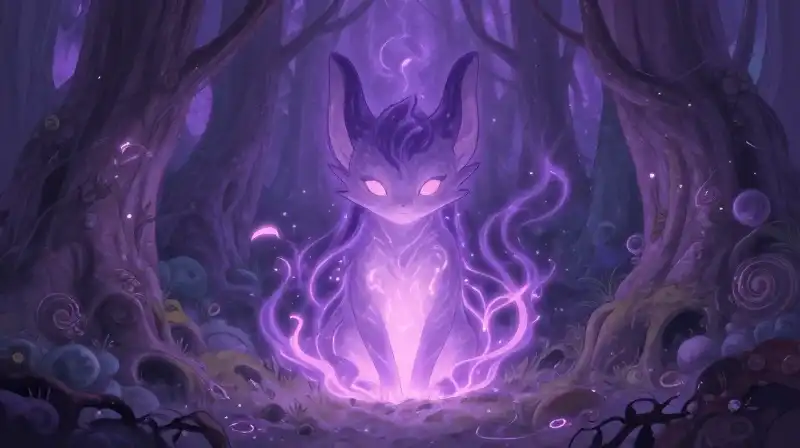
Japanese stories are uniquely grounded in the intertwined spiritual traditions of Shinto and Buddhism. This fusion means the magic in their tales isn’t always simply “fairy dust”; it is the power of nature, spirits, and cosmic balance [2]. The yokai, the diverse array of spirits and mystical creatures, serve as the embodiment of these forces. They represent everything from the benevolent to the utterly dangerous, acting as moral barometers for the world around them [2].
The structure of storytelling here is also key. Mukashibanashi are the broad narratives of long-ago events—many focus on moral lessons and societal roles. However, the intensely scary stories—the kaidan—are carefully preserved to explore the darker aspects of the human condition, a distinction that tells us Japanese folklore embraces a full spectrum of experience [1, 3].
A Study in Consequences: Virtue, Taboo, and the Cycle of Karma
At the core of many Japanese fairy tales is a powerful, inescapable sense of cause and effect. The heroes and protagonists are often defined by their dedication to their community, their obedience, or their filial piety—virtues treated as the highest form of heroism [1]. The narratives serve as sharp warnings against the devastating power of vanity, deceit, and greed.
This theme is most strikingly clear in tales focusing on avarice. Consider “The Tongue-Cut Sparrow,” where the protagonist’s decision to choose a greedy, large box over a smaller, more appropriate one leads directly to disaster [3]. The narrative isn’t just a moral lecture; it is a depiction of fundamental principles: a disregard for order or social harmony will result in severe, often physical, retribution [3].
Key Creatures and Archetypes: Faces of the Wild
To understand these tales is to understand the faces they present. The creatures are seldom just monsters; they are often metaphors for societal pressures, uncontrollable nature, or human flaws.
The Dual Nature of the Tanuki: Cunning and Deception
The tanuki (Japanese raccoon dog) is a fantastic study in ambiguity. It is a shape-shifting animal capable of taking human form, yet its power is always tied to its ability to deceive [3]. This archetype allows storytellers to explore the complexities of human nature. While it embodies deceptive cunning, its ultimate stories often end with a recognition of its own downfall, reminding children that no one, even a clever beast, is entirely beyond karmic reckoning [3].
The Yuki-Onna: Nature’s Deadly Beauty
The Yuki-Onna, or Snow Woman, is a powerful specter that embodies the savage side of winter. She is not merely a monster, but a reflection of the cold, unforgiving power of the environment [1]. Her “deadly, seductive beauty” functions as a potent symbol of the danger inherent in nature’s extremes. She represents an irresistible allure that promises warmth and comfort but delivers freezing isolation, teaching young readers to respect the boundaries set by the wild [1].
The Transformed Hero: Urashima and the Dragon King’s Palace
The tale of Urashima provides a magical journey into an extraordinary realm. His destination, the Dragon King’s palace, is a setting of unimaginable luxury and power—a perfect depiction of a magical world [1]. However, the narrative twist lies in the emotional consequence. While he receives lavish gifts and incredible experiences, the “severed connection to his original home” is the true, poignant heartbreak. This tale is a profound exploration of the trade-offs inherent in seeking something “more” or “better” than the life one already knows [1].
Stories of Vanity, Transformation, and Learning
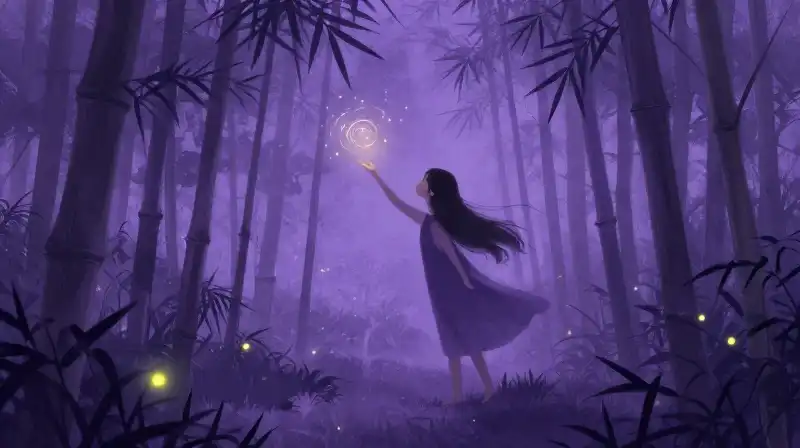
Many of the more gentle or educational tales focus on lessons about the “futility of vanity” and the importance of patience and purity. These stories often served an educational function, much like the Kamishibai (paper drama) format used historically to teach moral lessons to villagers [3].
The Fate of the Fire-fly’s Lovers
This is a classic example of a fable in the tradition of Japanese storytelling [1, 2]. The tale explains the natural phenomenon of insects being drawn to light, but its deeper function is as a lesson in the dangers of impossible expectations and pride. The “Fire-fly’s Lovers” serves as a gentle warning that sometimes, chasing something purely for the sake of ideal beauty leads only to disappointment [1, 2].
The Tale of the Bamboo Cutter: Perfection and Transcendence
The sophisticated *monogatari* (literary tales) like “The Tale of the Bamboo Cutter” (or Kaguya-Hime) contrast sharply with more rustic oral folklore. This story, which dates back to the 10th century, is a beautiful study in the theme of “purity” against the “mortal world” [1]. It presents a journey toward a higher, transcendent state of existence, showing that even the most beautiful earthly existence can be fleeting, a sentiment that resonates with Buddhist beliefs about impermanence [1].
| Story Example | Core Lesson | Primary Theme | Age Suitability |
|---|---|---|---|
| The Fire-fly’s Lovers | Futility of vanity; accepting limitations | Fable/Nature | 3-6 years |
| The Tale of the Bamboo Cutter | The mystery of transcendence; fleeting beauty | Romance/Mysticism | 7+ years |
| Kaidans (e.g., Oiwa) | Karmic revenge; inescapable consequences | Horror/Morality | 12+ years (Guided) |
| Issun-Boshi | Personal resilience; localized trials | Folk Tale/Adventure | 5-10 years |
Addressing the Big Questions: What is Japanese Folklore?
What are the fairy tales folklore in Japan? The short answer is that it is a vast, complex body of literature and oral tradition, encompassing everything from simple moral fables to high-court romances and profound ghost stories. It is defined by its deep connection to the spirit world and its unique blend of spiritual and social education [2, 3].
If you are looking for a general “list,” consider the representative tales like Momotarō (The Peach Boy) or the localized version of “Thumb,” Issun-Boshi. But the real magic lies in the *why*. Why are the morals so strict? Why do the spirits look so beautiful and yet so terrifying? The answer is the constant tension between the human desire for happiness and the cosmic demand for balance. This internal conflict is the engine of Japanese storytelling [1].
The Practical Guide: Stories for Bedtime and the Classroom
For parents and educators, these tales offer incredible material beyond just entertainment; they provide a sensory and philosophical language for discussing complex topics like growth, temptation, and societal roles.
-
For Bedtime Calm: Gentle Journeys and Fables
Choose tales that focus on internal struggle or the kindness of nature. Stories like “The Fire-fly’s Lovers,” which, while cautionary, are grounded in natural phenomena, or simpler tales of resilience like “Issun-Boshi” can provide structure without overwhelming the child with extreme consequence. These allow for discussions about natural rhythms and the quiet strength found in persistence.
-
For Classroom Depth: The Concept of Social Order
Tales centered on strict societal values, such as those found in the *mukashibanashi* tradition, are perfect for discussing rules and ethics. Use “The Tongue-Cut Sparrow” to initiate a dialogue about the severe weight of greed. In a classroom setting, these tales help children understand that “the world” has a kind of moral ecosystem, not just a “good guy” and a “bad guy” [1, 3].
-
For Creative Arts: Visual Symbolism
When illustrating or crafting these tales, focus on the color palettes and textures evoked by the characters. The Yuki-Onna demands a palette of freezing blues, silvers, and deep, cold whites, contrasting with the sudden, desperate warmth of the protagonist’s skin. The tanuki requires greens, browns, and the fluid, deceptive lines of the shifting form [1, 3]. This practical focus turns abstract themes into concrete artistic choices.
Ultimately, Japanese folk stories remind us that magic isn’t always about spells and flying brooms. It is about the forces that shape our world—the enduring cycle of nature, the weight of our own choices, and the powerful ways the stories we tell can reflect and refine the moral landscape of the human heart.
***
Sources
- 9 Spellbinding Japanese Fairy Tales — snowwhitewrites.com
- Japanese Folktales & Folklore: 91 Free Stories | Fairytalez — fairytalez.com
- Japanese folktales — en.wikipedia.org
Frequently Asked Questions
What are the fairies folklore in Japan?
Japanese fairy tales folklore is a vast and complex body of literature and oral tradition. It encompasses a wide range of works, from simple moral fables and high-court romances to profound ghost stories. These stories are characterized by their deep connection to the spirit world and a unique blend of spiritual and social education.
Related Articles