

Funny Bedtime Stories: How Absurd Tales Help Kids Transition to Sleep


Introduction
The moment the bright lights of the day dim, a unique shift occurs in a child’s imagination. They aren’t seeking harsh lessons or epic adventures; they are settling into a comfortable space where the wildest ideas feel safe. For many parents and educators, this specific pre-bed mood requires a type of story that is utterly unexpected, yet profoundly comforting. Silly bedtime stories achieve this balance by embracing the magnificent absurdity of the world—allowing kids to feel delightfully goofy before finally slipping into slumber. These tales are not merely for giggles; they are structural bridges, using “wonderfully ridiculous things,” like a dinosaur grappling with a farting problem, to help the nervous energy of a long day gracefully resolve [1].
The Functional Magic of Absurdity in Bedtime
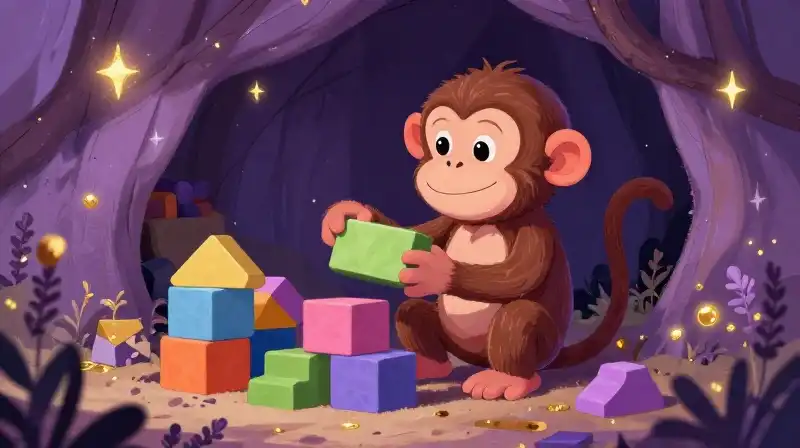
Why choose a monkey having a “best bottom” contest or a boy whose stomach sounds like a busy city over a knight rescuing a princess at bedtime? The answer lies in the psychological permission that absurdity grants. In the context of winding down, silliness serves as a gentle release valve. It gives children permission to be goofy, embracing the completely irrational and lighthearted, which helps them transition into a state of calm and happiness before sleep [1].
This genre is not built on chaos for its own sake. Instead, the effective silly story employs a highly sophisticated structural design. It typically starts with a surge of high energy and delightful chaos—perhaps a story like “Mixed-Up Monday at the Zoo”—but meticulously guides the reader toward a sense of warmth and resolution. This pattern ensures that while the child is captivated by the strange and funny, they never feel unsettled or anxious, always landing safely in a state of comfort suitable for pre-sleep routines [1].
Anatomy of a Perfectly Absurd Tale
To understand how these stories function, we need to look at how they construct their worlds and characters. They achieve depth not through realism, but through the intense specificity of the fantastic.
The Power of the Small, Specific Crisis
Many of the most successful silly tales revolve around a mundane object or a social hiccup that is wildly magnified. Consider “Comfier Than Mine!,” which focuses on a kitten utterly obsessed with comparing beds to other people’s beds [2]. The problem—a slight discomfort or a desire for the perfect rest—is elevated to an entire narrative, giving the child a concrete, relatable problem that is resolved in a warm, imaginative way. Similarly, “Greedy Pig,” about Petey Guts’ negative transformation when he refuses to share dinner, uses a simple act of social absurdity (greed) to illustrate a relatable theme (sharing) through a hilariously negative consequence [2].
World-Building Beyond the Familiar
The use of hidden, imaginative worlds is a hallmark of the best silly stories, transporting the listener away from the pressures of the real world. One superb example is “Sock Crisis! In the Kingdom of the Sock Eaters,” which explores a hidden realm accessed behind a washing machine [2]. This kind of world-building is not menacing; it is purely imaginative, turning a domestic chore into a high-adventure location. It encourages the child to look at their own familiar surroundings—like a washing machine—and see the boundless, goofy potential within them.
Age-Appropriate Absurdity: Finding the Right Fit

The term “silly” covers a vast emotional and developmental range. What is hilarious to a ten-year-old might be too much “wiggle” for a toddler. To use these stories effectively, parents should calibrate the level of absurdity to the listener’s attention span and emotional maturity.
Here is a guide to finding the right level of goofy:
-
Ages 0-3: High Repetition, Sensory Silliness
For the youngest listeners, the absurdity needs to be extremely simple and physical. Focus on repetitive actions, physical humor (like a “best bottom” contest), or simple sounds. These tales are short, simple, and rely on physical comedy to engage the attention of the “wiggly” listeners [1].
-
Ages 4-6: Magical Concepts and Social Play
At this stage, children enjoy mild chaos combined with clear, often moral, social themes. Stories like “Greedy Pig” or “Is sharing really caring?” allow them to explore social concepts through absurd scenarios [2]. They enjoy the fun of the “mixed-up” element, but the resolution must be clear and reassuring.
-
Ages 7-12: Narrative Complexity and Internal Worlds
Older children can handle more layered silliness—the kind that requires a bit more imaginative thought. They thrive in complex world-building, such as the Sock Kingdom, or when the magic is integrated deeply into the narrative. Stories like “A Visit to Sleepaway” excel here, as they weave a complex magical mechanism into the very fabric of sleep itself (using yawns, snores, and sand) [2].
From Folly to Fiber: How the Tale Leads to Sleep
The most significant feature of the successful funny bedtime story is its ability to transform high energy into low energy, or from “folly to fiber.” This is achieved through three key narrative techniques:
-
The Predictable Scaffold
Even in the most absurd tales, there is often a predictable, comforting scaffold—a rhythmic pattern or a recurring character type. This predictability is reassuring to the child, grounding the chaotic plot. For example, the predictable nature of Petey Guts’ negative reaction to selfishness provides a clear, comforting “cause and effect” for the older child, while the simple repetition is soothing for the younger listener [1].
-
The Gentle Transition
The resolution of the story must move away from the chaos. In the case of “A Visit to Sleepaway,” the magical system of sleep being generated by the *teamwork* of yawns and snores creates an incredibly soothing atmosphere. The absurdity is used not to excite, but to establish a gentle, magical mechanism for calm [2].
-
The Joy of Lighthearted Resolution
The final tone must be profoundly warm. Regardless of the initial problem—a grumpy pig or a missing sock—the conclusion always brings a sense of resolution, joy, and acceptance, leaving the child with a positive, sleepy feeling, not an exhausted or worried one [1, 2].
Addressing the “People Also Ask” and Related Questions
Readers often wonder about the practical application of these stories. Here is how to address common queries:
-
Are funny bedtime stories better than traditional moral tales?
In the pre-sleep context, many experts suggest that silliness can be more effective than didactic moral tales. While traditional stories teach lessons, silly stories deliver lessons through engaging, memorable, and non-threatening absurdity. They teach themes—like the importance of sharing in “Is sharing really caring?”—while allowing the child to enjoy the narrative first, rather than feeling lectured [2].
-
Can I find short or 5-minute funny bedtime stories?
Yes, timing is crucial for “wiggly” listeners [1]. By selecting stories curated to be short and focused on one primary absurd conflict, you ensure the child remains engaged without the fatigue of an excessively long narrative. These brief stories keep the attention span of toddlers while still delivering a high punch of imagination.
-
Do these stories have to be purely comedic?
The best silly stories often feature a blend of the comedic and the magical. Using a story like “A Visit to Sleepaway” shows that “silly” narratives can incorporate deep, imaginative world-building while maintaining that light, reassuring tone, ensuring the storytelling moves beyond mere trivia into something truly illuminating [2].
Ultimately, funny bedtime stories are more than just a fun chapter; they are a carefully curated bridge between the busy, sensory-overloaded day and the restful peace of the night. By presenting worlds where the impossible—like a “Sock Crisis”—is manageable, and where every ridiculous situation resolves into a warm hug of comfort, these tales allow children to safely divest themselves of the day’s stresses, letting the last bit of chaotic energy settle down just as their eyelids begin to grow heavy.
Sources
- Funny Bedtime Stories for Kids — taletwirlers.com
- Funny | Bedtime Stories — storyberries.com
Related Articles