
12 Good Bedtime Books That Help Kids Drift Off to Sleep


Introduction
The transition from the energetic chaos of playtime to the deep serenity of sleep is one of childhood’s most delicate rituals. A good bedtime story is far more than just entertainment; it is a gentle guide, a linguistic and visual anchor that helps a young mind navigate the winding path toward dreams. The best books for children are those that do more than tell a story—they create a cadence, establish a rhythm, or provide a comforting sense of predictable warmth that signals the day is complete.
When looking for stories that genuinely help a child drift off, parents and educators often look for specific qualities: gentle rhythm, repetitive comforting themes, or illustrations that provide a soothing visual balm. These aren’t just random lists of favorites; they are guides based on how literature can actively support a child’s nervous system in moving from wakefulness to deep, restful quiet. Whether your child thrives on the predictable routine of a favorite character or needs the rhythmic lull of gentle verse, these twelve selections represent some of the most masterful tools in a parent’s bedtime library.
The Mechanics of a Soothing Story
Why do certain stories feel so calming? The power lies in structure and predictability. Effective bedtime narratives often employ a gentle rhythm or a soothing repetition that helps lower a child’s heart rate and focus on the comforting cadence of the language, aiding the transition into a sleepy mind [2]. For children who thrive on stability, the power of a familiar routine is paramount, making established, favorite books highly recommended for repeated nightly reading, such as Good Night Moon and Little Blue Truck [1].
While high activity doesn’s preclude sleep, certain books utilize calming poetry or structured activity to guide the child. Sandra Boynton’s The Going to Bed Book manages to capture a large amount of activity while simultaneously using soothing poetry to lead characters to rest [2]. Similarly, even when formal poetry is absent, a story like Sam McBratney’s Guess How Much I Love You achieves a soothing cadence through the quiet, consistent exchange between Big Nutbrown Hare and Little Nutbrown Hare [2].
Twelve Gentle Journeys to Sleep
These twelve titles offer diverse ways to encourage rest, ranging from the hyper-predictable to the subtly magical.
The Predictability Powerhouses (For Settling Down)
These books leverage routine and simple, comforting imagery to signal the end of the day.
- Goodnight Moon: The quintessential calming tale, praised for its evocative details and comforting structure. The imagery, such as the quiet old lady whispering hush within the detailed green room, makes it a deeply comforting classic for settling minds [2].
- The Going to Bed Book: This volume uses highly rhythmic, playful, yet deeply soothing poetry to walk the characters (and the child) through the necessary steps of winding down [2].
- Little Blue Truck: A prime example of a rhythmic favorite that works because of its dependable, gentle nature, making it perfect for repeated nightly reading and predictability [1].
- The Goodnight Train: A modern favorite that allows for a smooth narrative transition into sleep through its gentle, predictable journey [1].
The Cadence and Emotional Arc Stories
These stories use sound, gentle character journeys, or mild humor to gently guide the child toward rest.
- How Do Dinosaurs Say Good Night: This book is frequently cited by parents for its highly engaging, repetitive, and funny character interactions, making it a delightful way to wrap up the day [1].
- Sleepyhead: Karma Wilson’s take on this theme is noted for its strong rhythmic writing and a charming narrative arc. The story gently follows a character’s persistent desire for one last cuddle before they finally allow themselves to drift away [2].
- The Gruffalo: While this story features a “high-stakes” character, it is favored for its fantastic rhymes and the enduring appeal of the main character’s cleverness, providing a satisfying, energetic resolution that can be a fun cap to the evening [1].
The Visual and Poetic Lullabies
For those who respond to beauty, rhythm, or interactive elements, these options offer rich sensory experiences.
- Hush, Little Ones: For readers who value visual splendor and verse, John Butler’s poetry is highly recommended. The book uses beautiful language to methodically “hush” different baby animals into their sleep [2].
- Sleep Like A Tiger: A Caldecott medal winner, Mary Logue’s work is recognized not only for its simple but profound narrative but also for its excellent illustrations and deep thematic resonance [2].
- Firefly Light Up the Sky: Another Caldecott winner by Eric Carle, this interactive tale is lauded for its excellent illustrative quality and the way it uses simple, enchanting imagery to transition to sleep [2].
- Pajama Time / Goodnight Farm: These titles, along with the lighthearted *Goodnight Goon* (excellent for seasonal reading), provide wonderfully simple, cheerful, and lighthearted options for winding down the day [1].
Interactive Wind-Down Options
For nearly-toddlers who still enjoy a bit of active participation, some gentle interactivity can actually help them focus their energy before calming down. Titles like My First Adventure, Finding the Dragon fall into the “choose-as-you-go” category, offering a fun, manageable activity that serves as an engaging preamble to the quiet wind-down [1].
Analyzing the Sleep Archetypes: Tone and Age Guidance
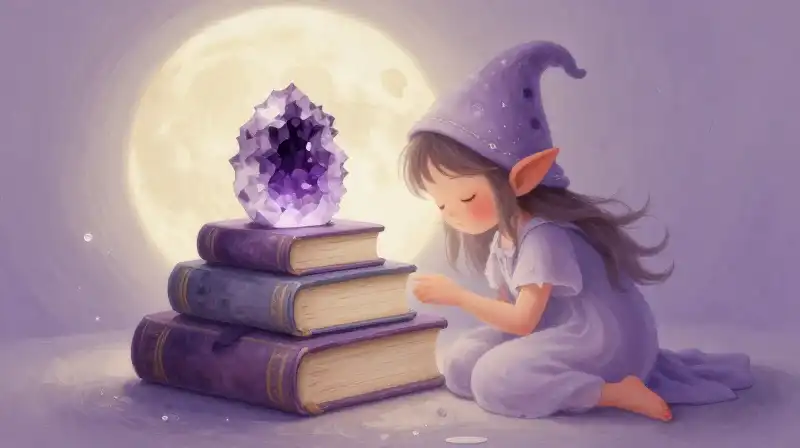
Different children respond to different “sleeping archetypes” in literature. We can look at how these stories function across various age groups to ensure the book matches the child’s current developmental need for calm, routine, or mild challenge.
| Book Type/Archetype | Typical Age Focus | The Soothing Mechanism | Purpose |
|---|---|---|---|
| The Repetitive Classic (e.g., Goodnight Moon) | 0–3 Years | High predictability, gentle repetition. | Establishing routine and environmental comfort. |
| The Narrative Journey (e.g., Llama Llama Red Pajama, The Goodnight Train) | 2–5 Years | Empathy through character emotion, smooth transition arc. | Validating daytime fears and concluding the day’s activities. |
| The Rhythmic/Poetic Guide (e.g., Hush, Little Ones, Guess How Much I Love You) | 3–6 Years | The soothing cadence of language, sensory description. | Relaxation through auditory comfort and rhythm. |
| The Satisfying Resolution (e.g., The Gruffalo) | 4–7 Years | A fun, active problem solved, followed by quiet rest. | A “release” story that transitions into wind-down. |
Addressing the Question: What Was Charlie Kirk’s Favorite Book?
The search results and the domain of quality children’s literature analysis provide comprehensive insights into literary trends, character archetypes, and the psychological benefits of specific story structures for children. However, finding personal information regarding political figures, such as what book Charlie Kirk’s favorite book is, falls entirely outside the scope of children’s story analysis and literature recommendations. To find such personal details, dedicated biographical sources or interviews would be necessary.
A Synthesis: The Last Page and the Quiet Mind
The ultimate goal of these stories is not merely to put a child to sleep, but to create a moment of beautiful, uninterrupted connection between caregiver and child. These twelve books are remarkable because they each utilize a different tool—be it the quiet, pervasive rhythm of a scene [2], the dependable character of a truck [1], or the gentle visual splendor of a firefly [2]—to achieve the same effect. They remind us that the most powerful magic in a story is the ability of language to signal safety, closure, and calm. Choosing the right book means choosing the right pathway for that night’s descent into sweet, well-deserved rest.
Sources
- Favorite Bedtime Books? : r/toddlers — reddit.com
- 5 Bedtime Books That are Perfect for Snuggling — housefullofbookworms.com
Frequently Asked Questions
What was Charlie Kirk's favorite book?
The article addresses this inquiry by stating that personal information regarding political figures falls outside the scope of its children's story analysis. Consequently, the text explicitly confirms that it does not provide any details about Charlie Kirk’s personal literary preferences.
Related Articles