
Visual Masterpieces: Stunning Illustrated Fairy Tales for Kids


Introduction
A story, truly told through illustration, is not merely a sequence of pictures accompanying words; it is a complete emotional experience. For parents, educators, and anyone seeking the perfect escape for a child, choosing a book is deciding on a world. It is choosing a visual rhythm, a specific palette, and an atmosphere that will hold a child captive—whether for a gentle, soothing bedtime ritual or a vibrant, imaginative lesson in the classroom. The sheer artistry involved in children’s folklore can range from the intensely vibrant and mythical to the sophisticated and antique. These visual masterpieces transform simple tales into rich cultural tapestries, allowing readers to dive deep into the essence of creatures, the symbolism of setting, and the nuanced character of characters.
This guide moves beyond simply listing “best sellers.” We explore how specific artistic choices—from the rich, dramatic ink work of Gustave Doré to the luminous, regional focus of Ulla Thynell—shape the child’s understanding of the tale. By matching the visual tone to your child’s age and temperament, you can find that perfect intersection of narrative depth and stunning visual delight.
The Spectrum of Visual Styles: Finding the Right Mood
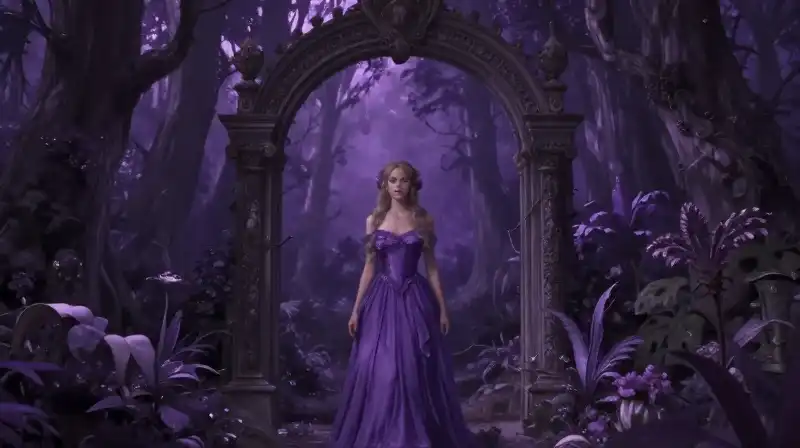
The choice of illustrator is perhaps the most critical factor in deciding the emotional register of a classic tale. Do you want a whimsical adventure, a moody exploration of the supernatural, or a historically lush immersion? The visual vocabulary of an illustrator dictates the pace and feeling of the story, moving it far beyond a simple recitation of plot.
The Classic and The Romantic: Antique Charm and Depth
For those drawn to the rich, sophisticated aesthetics of the late 19th and early 20th centuries, several artists set the gold standard for classical beauty. These works often possess a slightly mysterious, antique elegance that appeals to older children and lovers of detailed illustration.
- Arthur Rackham and the Gothic Beauty: Known for his delicate, often surreal interpretations, Rackham’s style influenced generations of artists. For a less conventional look at these classic tales, “Cinderella Liberator” utilizes original early 1900s art from him, offering a uniquely detailed perspective on the familiar [1].
- Ivan Bilibin and the Russian Soul: For those seeking Russian folkloric imagery, Bilibin represents a powerful, vibrant classic style, recognized alongside foundational works of “Russian Fairytales” and “East of the Sun, West of the Moon” [1]. His work is steeped in the rich, saturated colors and patterns of Eastern European tradition.
- The Folio Society and Timeless Craft: For a collection of beautiful, classic hardback sets, the Folio Society is a superb choice. Titles like “Flower Fairies” by Cicely Mary Barker capture the delicate, gentle spirit of childhood with exquisite craft [1].
- Aubrey Beardsley: For an extremely sophisticated, antique aesthetic, examining Beardsley’s work—particularly his version of “Le Morte d’Arthur”—provides a deeply complex look at medieval themes that inspired many classical artists [1].
The Mythic and The Bold: Drama, Intensity, and Vibrancy
When seeking dramatic flair, intricate creature designs, or a heightened sense of mythology, certain illustrators bring a powerful, modern intensity to the genre. These styles are excellent for sparking deep discussion in the classroom.
- Kinuko Y. Craft’s Dramatic Vision: Craft is noted for her gorgeous and often moody illustrations. Her series, which includes “Cinderella,” “Sleeping Beauty,” and her celebrated “Baba Yaga and Vasilisa the Brave,” leans into a deeper, more dramatic atmosphere than typical versions [1].
- The Folklore Masters: Doré and Jacobs: For grand, sweeping imagery, Gustave Doré is an undeniable classical influence. Similarly, Joseph Jacobs’ “Indian Fairy Tales,” illustrated by John D. Batten, offers cultural breadth and unique imagery, such as “Princess Labam” [1].
- The Deep Cultural Dive: Sugar in Milk: When you want a powerful blend of classic folktale and rich cultural heritage, look to “Sugar in Milk,” a Persian folktale illustrated by Khao Le [1].
The Regional Explorers: A Journey Across the Maps
Sometimes, the most beautiful stories are those that take the reader on a journey. Regional folklore allows for a specific study of local color and unique settings.
- Nordic Tales: For a visual journey through the Scandinavian landscape (Norway, Sweden, Finland, Iceland, Denmark), “Nordic Tales” by Ulla Thynell (Chronicle Books) offers a masterful look at regional European folklore [1].
- The American Heart: Classic American storytelling paired with powerful, evocative art is seen in Virginia Hamilton’s “The People Could Fly,” which features illustrations by Leo and Diane Dillon [1].
- The Contemporary Vision: Even when moving outside traditional folklore, contemporary visual storytelling can be profoundly moving. The stunning art of the “tea dragon society” graphic novels by Kay O Neille represents a modern, breathtaking approach to sequential art [1].
Choosing the Perfect Tale: A Guide to Bedtime and Classroom Use
The suitability of a visually rich tale often depends on the age and focus of the reader. We can categorize these masterpieces based on their thematic weight and visual energy.
For Soothing Bedtime (Gentle and Luminous)
Bedtime stories often benefit from soft palettes, gentle themes of protection, and a rhythm that feels calming rather than overwhelming. Look for beauty that is warm and inviting.
- Diane Wolkstein’s “Esther’s Story”: This retelling is beautiful and luminous, enhanced by oil paintings by Juan Wijngaard, lending a sense of quiet grandeur and enduring hope [1].
- Trina Schart Hyman’s Works: Her highly regarded works, such as “Saint George and the Dragon” and “Snow White,” are recommended as worthy of collection due to their skillful, delicate approach to classic narratives [1].
- The Folio Society Sets: The classic hardback sets offer a comforting, predictable aesthetic, making them ideal for routine, soothing reading [1].
For Imaginative Learning (Vibrant and Detailed)
These selections are perfect for older children (mid-grade) or classroom settings where detailed observation and thematic discussion are encouraged.
- Where the Mountain Meets the Moon: Grace Lin’s mid-grade fantasy captures mythical themes with delightful illustrations and cover art that invites curiosity and exploration [1].
- The Little Mermaid: Jerry Pinkney’s rendition of “The Little Mermaid” showcases how a classic story can be treated with unique, vibrant artistic flair [1].
- Rachel Isadora’s Retellings: She presents beautiful fairy tale retellings that allow for a deeper, more nuanced discussion of character motivation and narrative choices [1].
Navigating the Darker Themes: A Note to Parents
Many wonderful pieces of folklore contain darkness—a monster, a villain, or a difficult choice. It is important to differentiate between a “scary” illustration and a “thematically intense” one. Kinuko Y. Craft’s more moody work, for example, brings genuine drama to “Baba Yaga,” which can be powerful, but parents should choose whether their child is ready for that intensity. For a less intense, but equally sophisticated look at classics, Solnit’s “Cinderella Liberator” uses the controlled, classic framing of Rackham’s art to explore the tale [1].
Beyond the Picture: Analyzing the Power of the Folktale (People Also Ask)
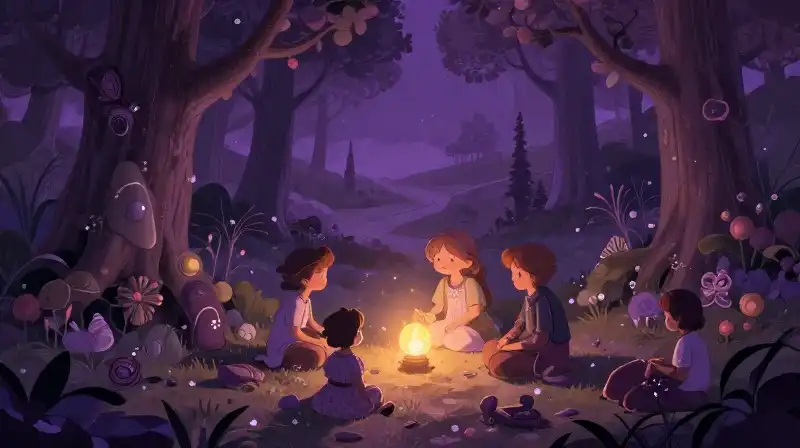
Readers often wonder about the real-world impact of these beautiful stories. The visual elements of these masterpieces allow us to understand themes far more effectively than words alone.
What does a powerful illustration achieve?
A powerful illustration achieves thematic grounding. When you see the intricate, almost suffocating detail in a story like “Sugar in Milk” by Khao Le, you don’t just read about a journey; you feel the warmth, the heat, and the exotic colors of a Persian landscape. The visual style serves as a cultural marker, grounding the fantastical elements in a recognizable, specific beauty. It shifts the story from a generalized concept of “magic” to a tangible, richly textured experience.
Which characters are the most complex in illustrated folklore?
The most complex characters are often those whose internal conflict is reflected visually. For example, a modern interpretation of a figure like Cinderella might focus less on the wicked stepfamily and more on the subtle, resilient colors of her own inner world, as seen in sophisticated retellings [1]. Kinuko Y. Craft’s approaches to classic figures often highlight internal emotional landscapes through dramatic lighting and intense expression, rather than just external action.
The Value of Visual Storytelling in Development
For both children and educators, the visual quality of a story is a powerful tool for cognitive and emotional development. The act of observing a stunning piece of folktale art encourages detailed observation and appreciation for complex visual language. It moves the child beyond “good vs. bad” binaries and introduces them to subtle color palettes, symbolic imagery, and the weight of atmosphere.
When choosing a visual masterpiece, consider if you want a “sweet” experience (like the gentler palettes in the Folio Society collections) or a “deep” experience (like the intense, moody atmosphere of Kinuko Y. Craft). Both are valuable, but they serve different developmental and emotional needs. The ability of these illustrations to ground fantastical elements—whether through the specific, patterned designs of Ivan Bilibin or the sweeping landscapes of Ulla Thynell—is what makes them such profound cultural touchstones, allowing children to understand the breadth of global storytelling through a single, mesmerizing page.
Sources
- Most beautifully illustrated fairytale/folktale books? : r/Fantasy — reddit.com
- 404 no encontrada… | Usborne | Libros para explorar el mundo — usborne.com
Related Articles