
Magical Choices: Finding Morals and Heritage in Global Fairy Tales


Introduction
When we open a book of fairy tales, we aren’t just looking at a collection of “old stories.” We are walking into a sprawling, borderless map of human belief, where every tiny creature, every shimmering sea, and every difficult choice holds a deep cultural weight. For those looking to bring the magic of global folklore into the warmth of the nursery or the thoughtful classroom, this is more than an anthology; it is a library of powerful archetypes, ethical dilemmas, and rich heritage [2]. We often treat fairy tales as simple moral tales, but the truth is far more complex and resonant. These stories, gathered across diverse traditions like the Middle East, Scandinavia, and Europe, offer more than just a gentle lullaby—they provide windows into the motivations of the characters, the enduring symbols of their worlds, and the fundamental choices that shape our lives. This exploration is a guide to finding the profound meaning and practical beauty within these timeless narratives.
The Weight of Choice: Morals in Every Plot
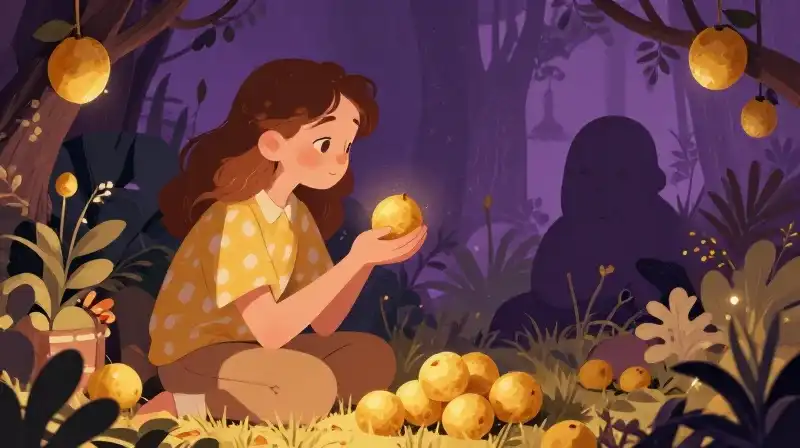
The power of many classic narratives lies not just in the presence of magic, but in the difficult ethical choices their protagonists face. These tales offer accessible entry points for teaching complex moral frameworks, focusing heavily on the concept of deserved reward or consequence.
In narratives like *The Golden Goose*, we see the concept of moral reward in practice [2]. The story deliberately contrasts a protagonist who chooses to share his food and wine with his selfish brothers, who face clear, tangible consequences. This simple, domestic lesson translates into a powerful lesson about empathy and communal living. Similarly, in *The Goose-Girl*, educators and parents can engage with the theme of consequence through a subtle form of justice. Here, an imposter is cleverly tricked into selecting her own punishment, providing a powerful lesson on discernment and accountability without resorting to harsh punitive measures [2].
Archetypes of Power and Hubris
Not all magical conflicts involve good and evil. Sometimes, the greatest lesson comes from misunderstanding power itself. For younger readers, tales like *The Sorcerer’s Apprentice* provide a foundational exploration of the dangers inherent in ambition and the overreach of abilities [2]. This archetype—the desire for effortless power—is a timeless theme, showing that great might often requires great responsibility.
The Global Tapestry: Roots and Origins
One of the most fascinating aspects of world folklore is how disparate cultures transmit similar human experiences through unique lenses. The collection in question acts as a bridge between European classics and a rich global history.
While we often think of European tales, the scope extends dramatically. For instance, the Arabic narrative *Ali Baba and the Forty Thieves* introduces themes of resource management and cunning from a Middle Eastern perspective [2]. Moving East, the story *Two Frogs* offers a unique cultural viewpoint, and Scandinavia contributes a story like *Why the Sea is Salt*, which explains the formation of saltwater, intertwining mythology with natural history [2]. This global reach is essential because it reminds us that the “magic” of a story is universal, but its cultural presentation is unique.
| Region | Key Themes/Notable Example | Cultural Context |
|---|---|---|
| Middle East | Ali Baba and the Forty Thieves | Cunning, wealth, and discovery [2]. |
| Scandinavia | Why the Sea is Salt | Natural history, explanation of the world [2]. |
| East Asia | Magic Kettle | Symbolism, often associated with abundance or change [2]. |
Deep Dives: Creatures and Character Dynamics
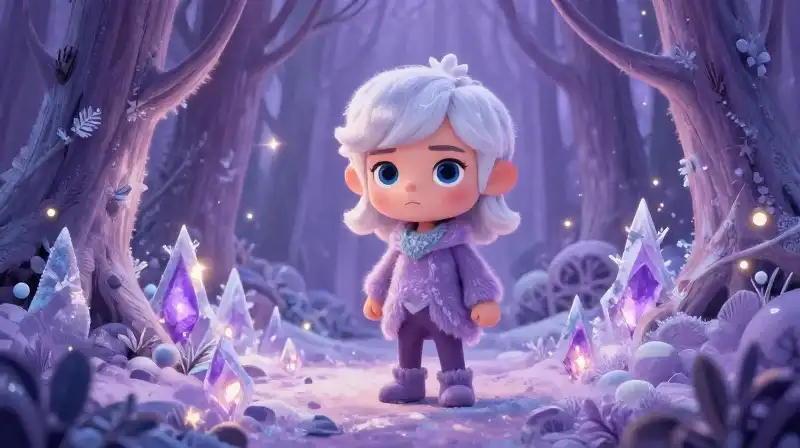
Certain creatures in these collections are enduring icons, often serving as perfect tools for sparking imaginative discussion or for providing guidance on bravery and resilience.
The Steadfast Heart: Gerda and the Snow Queen
Gerda, from the narrative *The Snow Queen*, stands out for her extraordinary character arc. The tale is lengthy, allowing the reader to witness the protagonist’s enduring determination to locate and save her friend Kay [2]. She is the embodiment of unwavering loyalty. For parents, this is a perfect character to discuss with children, demonstrating that emotional commitment is a powerful force, capable of battling even the chilling influence of ice and fear.
Symbolic Beasts: Trolls and Transformers
Folklore uses animals and monsters to represent universal forces. The troll under the bridge in *Three Billy Goats Gruff* is a classic example of a creature that represents obstruction and challenge, but ultimately serves as a lesson in persistence. Conversely, characters like Chicken Little, another animal protagonist, allow for conversations about misplaced confidence and the consequences of quick judgments [2].
Comparing Versions: How Tradition Evolves
One of the most valuable insights a collector of fairy tales can offer is the recognition that no story is ever truly fixed. Variations in a story’s narrative can provide endless material for analysis, allowing for discussions on how culture changes or how emphasis shifts over time.
The variation in classic tales is particularly striking:
- Cinderella: This collection features a less dark interpretation of *Cinderella* alongside numerous other alternate versions, which is invaluable for showing the range of how ‘perfection’ and ‘escape’ can be portrayed [2].
- Jack and the Beanstalk: The narrative presents a distinct, plot-altering version where the Giant killed Jack’s father. This specific plot arc gives Jack a more intense motivation: the need to reclaim his family home and honor his lineage, deepening the stakes of his journey [2].
- The Little Mermaid: This volume presents a unique structure where the characters are largely unnamed. The mermaid’s presence is supported by a grandmother and five sisters, creating a communal, familial context rather than focusing solely on individual tragedy [2].
Even *Beauty and the Beast* shows a spectrum of adaptation. The version in this collection is noted for being closer to its original story roots than many modern adaptations, though the tale allows for necessary changes to be made for contemporary storytelling [2].
Selecting the Right Tale: A Guide for Bedtime and the Classroom
Not all tales are suitable for every age or every mood. Understanding the emotional texture of the story allows parents and educators to curate the perfect environment for their young ones.
For educational purposes, tales provide concrete material for thematic lessons:
- Moral Choices (Ages 5+): Use *The Goose-Girl* to discuss the consequences of one’s choices when the choices are within one’s power [2].
- Overcoming Obstacles (Ages 4-8): *The Snow Queen* provides a powerful focus on sustained effort and the strength of friendship against overwhelming odds [2].
- Understanding Symbols (Ages 6+): *The Sorcerer’s Apprentice* is ideal for discussing the balance of power and the limits of human knowledge [2].
Conclusion: The Lasting Legacy of Global Stories
Ultimately, the beauty of a collection like this is its refusal to confine “magic” to a single culture or a single type of creature. It shows us that from the vibrant Punjabi tale *Five Wise Words* to the detailed Japanese *Magic Kettle*, humanity uses narrative to explore its deepest concerns—courage, greed, family, and the nature of power [2]. By examining these stories not just as sequences of events but as repositories of cultural heritage, symbolism, and ethical nuance, we move beyond simply reading stories. We begin to understand the fundamental blueprint of humanity, offering our children a truly rich, enduring, and beautifully illuminating world to inhabit, whether it’s beneath the great troll or beside a magical kettle [2].
Sources
- The world’s best fairy tales : a Reader’s digest anthology : Sideman, Belle Becker : Free Download, Borrow, and Streaming : Internet Archive — archive.org
- The World’s Best Fairy Tales, Volume 1 — goodreads.com
Related Articles