
Scary Themes in Bedtime Stories: Defining the Line Between Fear and Fiction

Introduction
The moment the last light fades, the boundaries between the story and reality grow thin. For many children, the bedtime story is a sanctuary; for others, it is a doorway into the unsettling unknown. Scary themes in children’s literature are far more than simple scares—they are profound examinations of vulnerability, the nature of power, and the courage required to face the things we cannot name. When we analyze horror, we are not just discussing frightening plots; we are studying the way artists use language, color, and setting to reflect the deepest psychological anxieties of life, whether those fears are monstrous and cosmic, or quiet and domestic.
The Two Faces of Fear: Grand Myth vs. Intimate Dread
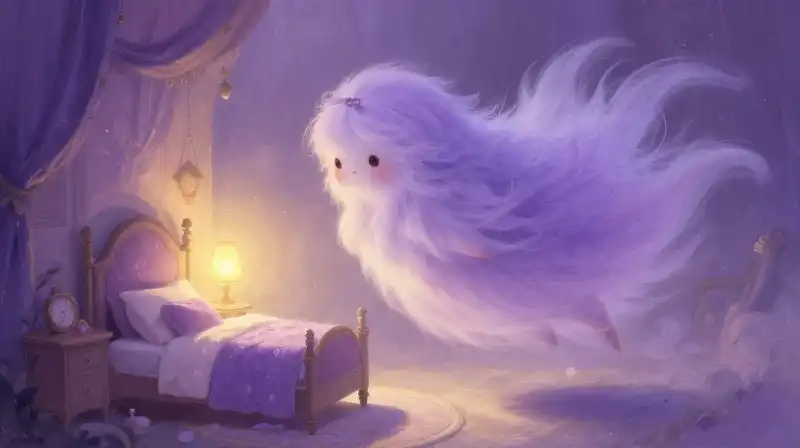
While all horror seeks to unsettle, the *way* it unsettles differs based on the scale of the threat. We can see a fundamental split between stories that deal in massive, mythological power and those that focus on subtle, pervasive dread within the familiar walls of home.
Macro-Horror: The Myth of the Ever-Growing Beast
In one tradition of scary stories, the threat is immense, often evolving beyond human comprehension. These narratives introduce colossal antagonists that represent overwhelming forces of nature, fear, or societal pressure. The monster in this tradition does not simply live in the woods; it grows, first eclipsing entire mountain ranges and crushing the young [1]. As the tale progresses, its form changes from physical mass to an insidious, creeping influence—a black mist that infiltrates the sleeping townspeople, suggesting that the threat is no longer just a creature but a collective psychological force [1]. These tales place the child in a position of ultimate powerlessness, facing an enemy that defies scale.
Micro-Horror: The Uncanny Threat in Everyday Life
In contrast, domestic horror finds the terrifying not in a single, gargantuan entity, but in the subtle cracks of the mundane. This type of suspense thrives when the danger feels localized and personal, rooted in the environment or the people you are supposed to trust. Suspense is built on the uncanny—that feeling that something is fundamentally *wrong* about the familiar. In “The Cabin,” for example, the dread is generated not by a beast, but by the collection of strange, smiling paintings that watch the intruder, creating an atmosphere of immediate, psychological surveillance [2]. The threat is less about annihilation and more about the slow, creeping realization that safety is an illusion, even in a seemingly secluded place.
The Weight of Symbolism: Red and the Unseen Veil
Effective storytelling relies on symbols to bypass logic and hit the reader’s emotional core directly. Two powerful symbols often emerge in scary narratives: color, and atmospheric elements.
The Symbolic Power of Red
The color red functions powerfully across horror narratives, serving as a visceral signifier of intense danger, mortality, and violence. This is evident when a doctor notices a patient’s red wrist, signaling death [2]. Similarly, the pale, black-haired figures associated with a violent past are often tied to the piercing hue of red eyes [2]. Red, in these contexts, is not merely a color but an immediate emotional alarm system, signaling transgression and danger to the observer.
Mist and Veil: The Infiltration of the Unknowable
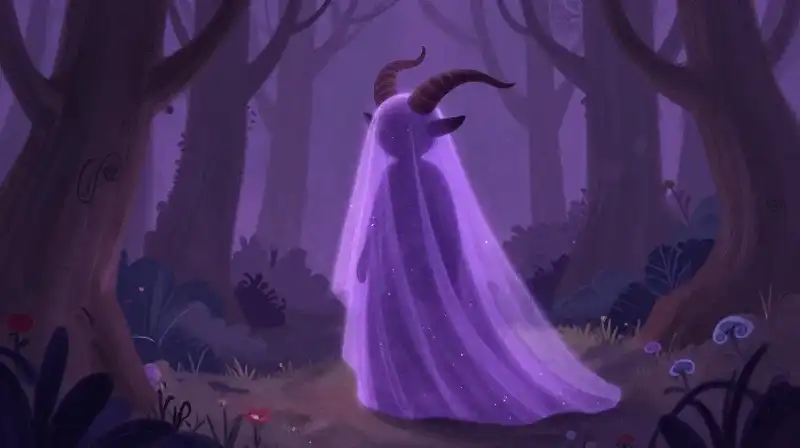
While red signals immediate, visceral danger, the black mist represents a different kind of terror: the infiltration of the unseen. This mist suggests a pervasive, insidious threat that bypasses physical barriers. When it infiltrates a town, it implies that the horror has reached the collective subconscious, affecting even those who are asleep and unaware [1]. This shift from a physical monster to an all-encompassing atmospheric threat elevates the story from a simple monster hunt to a commentary on enduring psychological states.
Domestic Dread in Miniature: Analyzing Suspense in Small Spaces
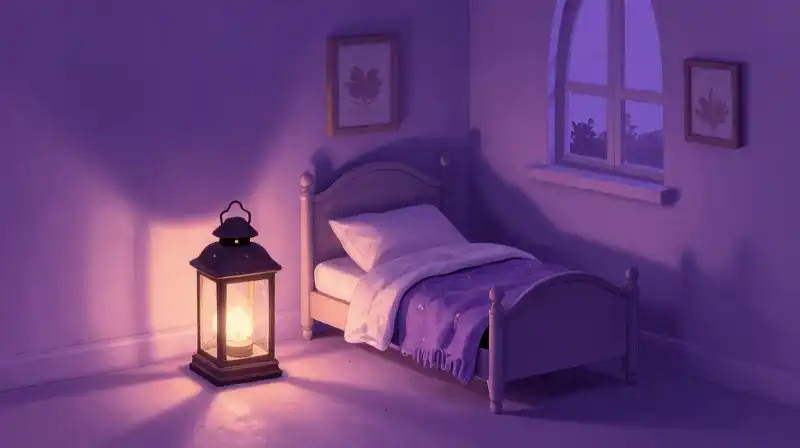
Suspense in micro-horror depends heavily on architectural detail and ruptured relationships. The threat in these stories is often housed in the most private, mundane locations—a bedroom, a laundry room, or an anonymous apartment. These settings strip away the comforting illusion of a safe home.
Intimacy and Isolation in Narrative Design
The terror is heightened when the monstrous threat is confined to small, identifiable spaces, such as the “numberless apartment” where a protagonist discovers a pale woman linked to murder [2]. Suspense is maximized when the horror interrupts routine. Consider the scenario in “Who’s in my bed?” [2], where a father’s routine patrol is subverted by a child’s unsettling grin, indicating that the monster is not just outside, but is actively residing in the most vulnerable space of the family life.
The Unreliable Call and Familial Uncanny
The uncanny family dynamic is a potent tool of domestic suspense. In “A mother’s call,” the horror is relayed not through a physical attack, but through a chilling warning delivered by a mother with bloodshot eyes [2]. She directs her daughter away from downstairs because she “heard it too,” transforming the familial bond from a source of comfort into a vector for shared, inescapable dread.
The Ultimate Shift: Confrontation and Resilience in Adult Perspective
The progression of the children’s experience often provides the most mature thematic insight. In the narratives focused on grand, persistent horror, the ultimate act of bravery is not defeating the monster in battle, but surviving the fear until adulthood and choosing a different reality. The collective refusal to listen to scary stories as adults represents a powerful refusal to be defined by past trauma or fear [1]. This shift from the child’s reaction of rage and anguish to a final, peaceful silence illustrates that true maturity is the ability to transcend the stories that used to bind you.
Navigating Fear: Is Anything Truly Inappropriate in Bedtime Stories?
Many parents wonder where the line lies. The short answer is that no story is *inherently* inappropriate, but rather, the *interpretation* and the *child’s current emotional stage* dictates its impact. Scary themes are not simply “bad,” they are emotional data points. A scary story can serve as a safe container for processing real-world anxieties—the fear of the dark, the fear of loneliness, the fear of losing a loved one.
When choosing tales, consider the flavor of fear: is it the overwhelming, cosmic dread of a black mist [1], or the sharp, intimate realization that danger lurks on the other side of your closet [2]? Both are powerful, but they address different kinds of anxiety. Understanding which type of horror a child is processing can help you find stories that either reflect their fears or provide a safe, analytical distance from them.
Synthesis: The Meaning of the Miniature Terror
Scary themes in bedtime stories are not meant to instill paralyzing panic; they are designed to invite deep consideration of human experience. Whether the threat manifests as a mountain-crushing beast [1] or a watchful painting in a silent cabin [2], the stories teach us about limits—limits of space, limits of trust, and the immense power of the human spirit to ultimately reject the narratives that sought to define us. By analyzing these tales, parents and educators move beyond mere plot recall to a genuine understanding of the archetypes, colors, and emotional landscape that form the building blocks of imagination.
Sources
- Scary Bedtime Stories — medium.com
- My Favourite Short Scary Stories! — dyatmika.org
Frequently Asked Questions
Is there anything inappropriate in bedtime stories?
No story is inherently inappropriate; instead, the interpretation and a child's current emotional stage dictate the story's impact. Scary themes can serve as a safe container for processing real-world anxieties, such as the fear of loneliness or the dark.
Related Articles