
Step into Norwegian Folklore: Tales of Trolls, Huldra, and Magic

Introduction
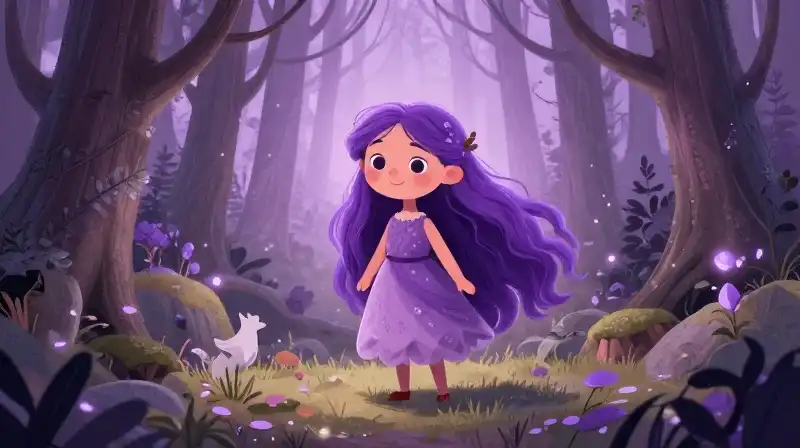
When the shadows lengthen over a rugged fjord, Norwegian folklore comes alive with a magnificent clash of the mundane and the marvelous. These are not merely stories; they are deep cultural mirrors that reflect the ancient relationship between a resilient human spirit and the powerful, unpredictable forces of nature. While many stories from this tradition have captivated imaginations worldwide, they often remain a fascinating blend of earthy humor, potent magic, and surprisingly complex moral questions. To step into the world of Norwegian tales is to enter a landscape where the moss-covered mountains are as much a character as the protagonists, and the boundary between a practical farmer and a benevolent, horned house spirit is remarkably thin.
The Living Archive: Asbjørnsen and Moe’s Gift to the World
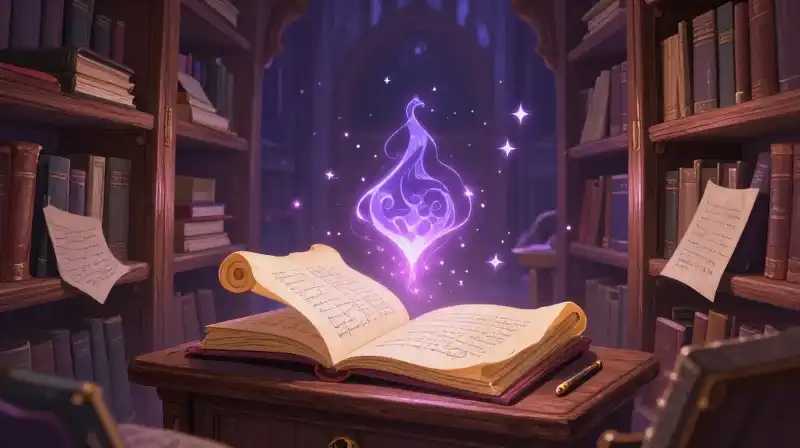 The cornerstone of Norwegian folklore is the 19th-century monumental work, *Norske folkeeventyr*, compiled by Peter Christen Asbjørnsen and Jørgen Moe [1, 3]. Their mission was nothing short of preservation: to document the oral traditions and stories gathered directly from the common folk throughout Norway in the 1800s [1, 3]. This painstaking ethnographic work not only gifted children’s literature a foundational collection of magical narratives but also played a crucial, often overlooked, role in shaping the modern Norwegian language, particularly Bokmål, by balancing regional dialects with a consistent literary style [1]. Because they chose to record the stories as they lived, we see raw, unpolished magic that feels much more primal than many later, heavily sanitized versions.
Meet the Folk: Creatures of the Norwegian Wild
The supernatural beings in these tales are far more integrated into daily life than the knights and princesses of other traditions. They are neighbors, herald of weather, or sometimes, mischievous disruptors. Understanding these figures helps children understand the forces beyond their control, translating nature’s mystery into narrative magic [3].
The Huldra: The Enchanting Guardian
The Huldra is perhaps the most famous of the seductive and mysterious beings in Norwegian myth. Unlike a simple woodland fairy, the Huldra possesses an undeniable wildness. She is beautiful, often described as a captivating creature, but she is intrinsically linked to the forest and a deep, ancient magic [3]. A defining trait is often the tail of a cow or goat, which she conceals—a reminder that her beauty is rooted in the wild, untamable nature of the Norwegian landscape. She represents temptation and the allure of the hidden worlds, challenging the protagonist to see beyond surface appearances.
The Nisse: The Beloved Protector
The Nisse (or Tomte) is a crucial figure in the family and farm narratives, representing helpful, house-bound magic. Often found in the hayloft or near the farmstead, the Nisse is a benevolent but powerful spirit who guards the household and livestock [3]. He demands respect—typically a bowl of porridge—and though he can be immensely helpful, he maintains a strict independence. He teaches children the importance of respecting the spirit of the land and the home.
Trolls and Draugr: Confronting the Giants of Nature
In Norwegian folklore, the Troll and the Draugr (sometimes spelled Draugen) are massive forces of nature—or a haunting manifestation of death—that must be respected. * **The Troll:** Trolls are powerful, often crude giants, sometimes depicted as purely male or residing in mountainous, rocky settings [1, 2]. They embody the harsh, unyielding aspect of the landscape. The “Troll” is not just a villain; it represents the formidable challenge of the natural world. * **The Draugr:** This creature, often referred to as a reven, is a reanimated corpse who can still kill or torment the living [3]. The Draugr taps into our deepest fears of finality and vengeance, providing a high-stakes, dramatic conflict for readers and families.
Askeladden: The Embodiment of Human Cleverness
Askeladden is the ultimate archetypal folk hero—the clever underdog. In tales like *“Askeladden who stole the Troll’s silver ducks”* [2], he never relies on brute strength, but on his agility, wit, and a good dose of luck to overcome monumental supernatural obstacles. He provides a deeply satisfying narrative for children, demonstrating that brains and heart can triumph over monstrous power.
Themes and Meanings: Decoding the Magic in the Stories
 The most enduring quality of Norwegian storytelling is how they use magic not just for spectacle, but as a vessel for profound moral and environmental lessons.
Nature’s Unfair Economics: The Origin of Salty Water
In *“Kvernen som står og maler på havsens bunn”* (Why the sea is salt) [2], a natural phenomenon is explained through a moral consequence. This tale suggests that even the most basic elements of nature—like the salt in the ocean—are tied to a moral order, turning an everyday question into a piece of cosmic, cautionary folklore.
The Moral Barter: God, Satan, and the Price of Wealth
The journey in *“Gutten med øldunken”* (The boy with the beer keg) [2] presents a potent blend of childhood adventure and existential theology. The protagonist encounters God, Satan, and Death. He seeks perpetual wealth in the form of a magical beer keg. The story explores the idea that while magic promises the impossible, every gain comes with a hidden moral cost, reinforcing a sense of cosmic balance and responsibility.
Choosing the Right Tale: Bedtime Narratives and Gentle Magic
Finding the right balance between thrilling adventure and soothing calm is key when sharing these stories with a child. Here is a guide to selecting tales based on emotional impact and thematic depth:
For Deeper Contemplation and Fantasy
These stories weave together complex mythological threads with clear moral journeys, ideal for older children ready for nuanced themes.
- The Gravedigger’s Tales: These narratives delve into the dangerous bargains between humans and the supernatural, often involving the devil. They address the anxiety of fate and the power of choice [2].
- East of the Sun and West of the Moon: This tale features quests and transformation, where a protagonist journeys through unfamiliar, magical lands and meets extraordinary beings like the bear prince. It is an excellent study in self-discovery [2].
For Gentle Wonder and Atmosphere
These stories focus more on the wonder of the local landscape, the power of nature, or quiet, clever resolutions, making them wonderfully soothing.
- Kvernsagn and En aften i nabogården: These titles provide a beautiful way to mix daily life—like an evening visit to a neighbor’s farm—with underlying mystery and the presence of minor, benevolent magic [2].
- Askeladden’s Follies: Tales featuring the clever hero are perfect for developing imaginative problem-solving in children, offering a satisfying, uplifting ending that celebrates human resourcefulness [2].
What Are the Famous Works of Norwegian Literature?
(Addressing People Also Ask) Beyond the immediate folkloric collection, the canon of Norwegian literature is rich with voices that have explored both the inner life of humans and the dramatic sweep of the land. While Asbjørnsen and Moe provided the foundation for children’s imaginative stories, later masters like Henrik Ibsen and Edvard Munch used the same stark Norwegian setting to explore far deeper, often more complex, psychological and social themes [1]. These works range from the dramatic social critiques of the 19th century to more contemporary explorations of human isolation, showcasing a literary tradition that remains profoundly tied to its environment.
The Modern Echo: Keeping Norwegian Magic Alive Today
Norwegian folklore is far from a museum piece. Modern adaptations and English translations ensure that these tales remain relevant and accessible to new generations. High-quality retellings, such as those by Tiina Nunnally, take the raw power of the original texts and translate them into highly engaging English, allowing children across the globe to experience the unique “feel” of the Norwegian landscape and its strange inhabitants [1, 2]. This continuous re-imagining allows for contemporary discussion of themes—from environmental stewardship to the importance of respecting one’s heritage.
Ultimately, the magic of Norwegian tales lies in their refusal to be purely whimsical. They are grounding stories, rooted in the hard work of farmers and the immense beauty of the wild, which use the magnificent Huldra, the mischievous Nisse, and the towering Troll to remind us that the world is full of breathtaking mystery. By sharing these stories, we invite children to look beyond the screen or the book’s surface, to see the profound magic woven into the wind, the stones, and the deepest parts of the forest itself.
Sources
- Norwegian Folktales — en.wikipedia.org
- 10 Norwegian Tales to Read by the Fire — northwildkitchen.com
- What are some folklore or fairy tale creature from Norwegian tales? : r/Norway — reddit.com
Frequently Asked Questions
What are the famous works of Norwegian literature?
Asbjørnsen and Moe provided the foundation for children's imaginative stories through their monumental work. Later masters like Henrik Ibsen and Edvard Munch utilized the stark Norwegian setting to explore complex psychological and social themes.
Related Articles