
Scary Bedtime Stories: How Shapes, Colors, and the Unseen Build Fear

Introduction
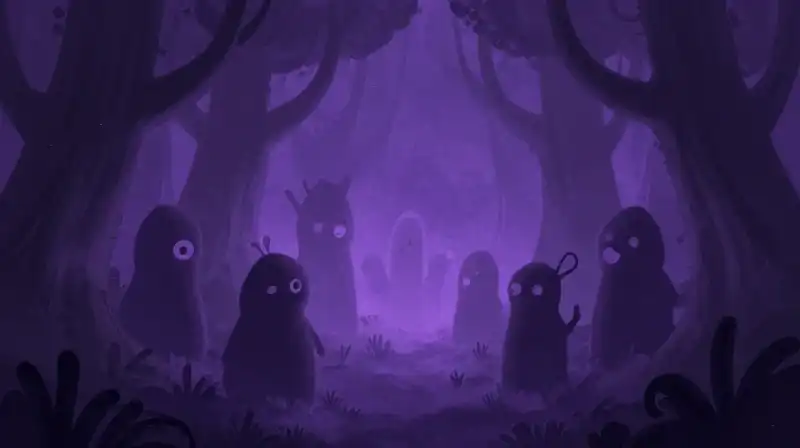
The safest places—a child’s bedroom, a warm hearth, or even the familiar confines of a storybook—are precisely where fear often finds its most potent home. Scary bedtime stories do more than just offer a thrill; they function as complex psychological mirrors, holding up uncomfortable truths about safety, identity, and the hidden dangers that exist just beneath the surface of the mundane. They are often not about what can be seen, but what is glimpsed in the periphery: the unsettling shift in a parent’s eyes, the faint shimmer of mist in an unused room, or the sudden, brutal violation of domestic familiarity [1]. For parents and educators seeking to understand the narrative power of these tales, the real curiosity lies in the mechanics of dread: How do seemingly simple elements—a splash of red, a specific shape, or the suggestion of an unseen presence—manage to build a powerful, lingering tension in the minds of young readers?
The Visual Lexicon of Dread: Color and Form
In the art of horror, whether on a page or a screen, color and shape are not mere decorative choices; they are narrative tools that signal danger and emotional state. For children, these concrete visual cues act as shorthand for the supernatural and the malignant.
The Meaning of Red: A Signal of Violation
Red is perhaps the most potent color used to signify a boundary has been crossed or a state of imminent peril. It is the color of blood, of alarm, and of intense emotion. In the context of unsettling narratives, red often serves as a subtle, psychological clue that something is terribly wrong. Consider the immediate, horrifying realization when a character observes a wristband labeled “Red” signifying death, or when they see a figure viewed through a keyhole rendered entirely “red” [1]. This saturation acts as a visual siren, cutting through the normal palette of a story and marking the shift from safe to dangerous.
The Shadow and the Mist: The Power of the Invisible Threat
Just as red signals physical danger, the absence of color—the deep black or the ethereal gray mist—signals existential and psychological threat. The most effective villains in these modern scary bedtime stories are often those that are not physically present but are suggested. The “invisible threat” takes forms like a black mist that infiltrates victims through their nostrils or spectral figures merely hiding in the periphery of a room [1, 2]. This use of suggestion is far scarier than a monstrous depiction, as it forces the reader to project their own deepest fears into the undefined void. The ambiguity is the terror.
| Element | Typical Form | Narrative Function | Evokes |
|---|---|---|---|
| Color (Red) | Wristbands, Eyes, Atmosphere | Immediate Danger, Death, Violation | Alert, Alarm, Blood |
| Color (Black/Mist) | Clouds, Entities, Background | The Unknown, Existential Threat, Absence | Anxiety, Concealment, Void |
| Shape (Shapeshifter) | Queen, Lover, Loved One | Identity Crisis, Deceptive Evil | Paranoia, Trust Betrayal |
| The Uncanny Domestic: When Safety Becomes Suspicion |
One of the most effective, and often most unsettling, tropes in scary bedtime stories is the intrusion of the sinister into the most familiar spaces. The domestic sphere—the home, the bed, the kitchen—is our primary site of comfort; when this comfort is violated, the resulting dread is profound. This is the “uncanny” terror, where the familiar becomes subtly wrong.
The Subversion of the Safe Space
Stories often play on the expectation of safety by introducing small, meticulously placed details that are fundamentally wrong. A hiker arriving at a desolate cabin might find a perfectly made bed accompanied by portraits of “strange looking people” who simply vanish by dawn [1]. Similarly, narratives can focus on mundane settings, such as an apartment door that lacks a visible number, hiding a pale woman with unnerving “red eyes” [1]. These details—the perfect neatness, the unsettling portraits, the missing number—are not grand gestures of violence, but whispers of malice that suggest the threat is already inside, disguised as comfort.
Shapeshifting and Deception: The Villain as Familiar Entity
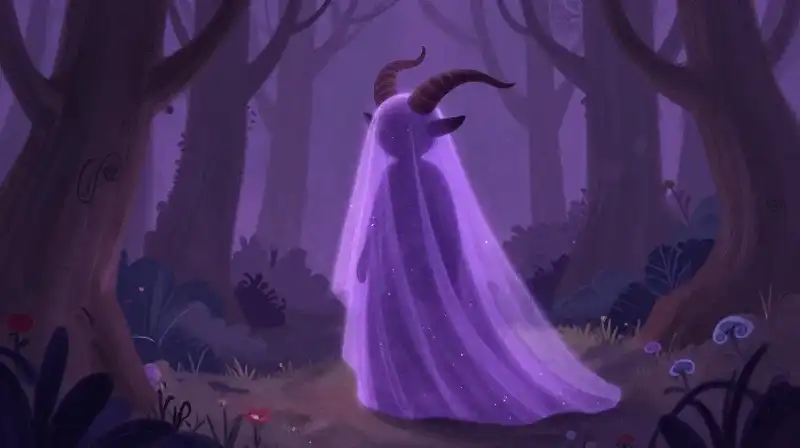
The most deeply disturbing villains are those who do not look monstrous from the outset. The archetypal shapeshifter—a figure who disguises itself as a beautiful “queen” or a trusted family member—represents the betrayal of trust [2]. This archetype forces the reader to question their perception. Is the threat the creature, or is the threat the person they are supposed to trust? This narrative device transforms the monster from an external enemy into an internal doubt, making it far more terrifying.
The Architecture of Terror: Archetypes and Tropes
Understanding the narrative blueprints of these stories helps us appreciate their psychological effectiveness. Certain structural elements are reliably deployed to maximize dread, moving from subtle atmospheric discomfort to visceral fear.
Atmosphere and Setting
The environment itself often serves as a character. Abandoned, dark, or desolate locations—like the remote cabin found by a lost traveler—establish an immediate sense of isolation and vulnerability [1]. These desolate settings are crucial; they remove the protection of civilization and focus the reader entirely on the internal conflict and the unfolding events.
The Listicle of Fear: Short, Sharp Impacts
Modern scary bedtime stories often lean into the “listicle” format, featuring short, highly impactful narratives. This structure is particularly potent because it delivers immediate, concentrated dread without the need for extensive world-building or complex subplots [1]. The brevity allows the reader to experience the core terror—the shock, the sudden realization—in a potent, distilled form.
Thematic Obsession and Narrative Power
Sometimes, the “scary story” itself is the monster. A profound thematic device involves a child who develops an addictive, growing fear of a monster that expands in power each night [2]. This illustrates psychological obsession, where the narrative entity embodies the child’s own escalating anxieties. Conversely, the story can illustrate the power of the reader: when children, after years of listening to terrifying narratives from “bad grandparents,” finally declare they no longer want to listen, the threat vanishes [2]. Here, the reader is not merely a passive recipient of fear, but an active force capable of narrative control.
Addressing Common Questions About Scary Bedtime Stories
When navigating the world of scary bedtime tales, parents and educators often have specific concerns about age appropriateness and the function of these narratives.
Are scary bedtime stories for kids or adults?
Scary bedtime stories exist across a wide age range, but their thematic weight shifts. For younger children, the fear is often external and concrete—a fire-breathing dragon that torched a town, or a mist that enters through the nose [2]. These narratives focus on observable peril. For older children and adults, the terror becomes more psychological, focusing on internal betrayal, uncanny domesticity, and the insidious nature of the unseen villain [1]. The power of a story often lies in its ability to adapt these core motifs.
Why do some scary stories use listicles?
The use of short, impactful narratives (listicles) is a contemporary trend because it prioritizes intensity over duration. These stories are designed for immediate, potent dread [1]. They are snapshots of maximum horror—a flash of red eyes, a sudden disappearance, a whispered warning—ideal for short bursts of engagement, whether before bed or in a classroom lesson designed to heighten engagement.
Synthesis: The Enduring Power of the Periphery
Scary bedtime stories are far more than simple fright sessions; they are highly structured psychological studies in fear. They demonstrate that the most lasting and effective terror rarely comes from the brute force of a giant beast, but from the delicate violation of safety. Whether it is the shapeshifter masquerading as a mother, the pale figure in a keyhole, or the creeping black mist, these tales remind us that the greatest monsters are those who hide within the structures of our trust and the shadows of our comfort. By analyzing the consistent use of specific colors (red and black) and shapes (the deceptive human form), we begin to understand that these stories are powerful tools—not just for frightening, but for illuminating the subtle, essential human boundaries that we all strive to protect.
Sources
- My Favourite Short Scary Stories! — dyatmika.org
- Scary Bedtime Stories — medium.com
Related Articles