
The Hidden Depth of Classic Fairy Tales: Symbolism and Intent

Introduction
When we think of classic fairy tales—the glittering castles, the singing princes, the helpful talking animals—our minds often paint a picture of a polished, predictable landscape. But for readers who cherish the true, deep textures of storytelling, those tales often hide a much richer, sometimes darker, more complex narrative beneath the surface. These foundational stories are not just collections of catchy plot points; they are deep explorations of human nature, cultural anxieties, and the raw intersection of reality and profound magic [2]. Whether you’re looking for a story that will calm a child at bedtime or a lesson that will resonate in a classroom, understanding the intent and symbolism of the original folklore allows you to unlock narratives that offer genuine illumination and profound depth, far beyond the “Top 10” lists on any screen.
Deconstructing Familiar Icons: Beyond the Simplistic Adaptation
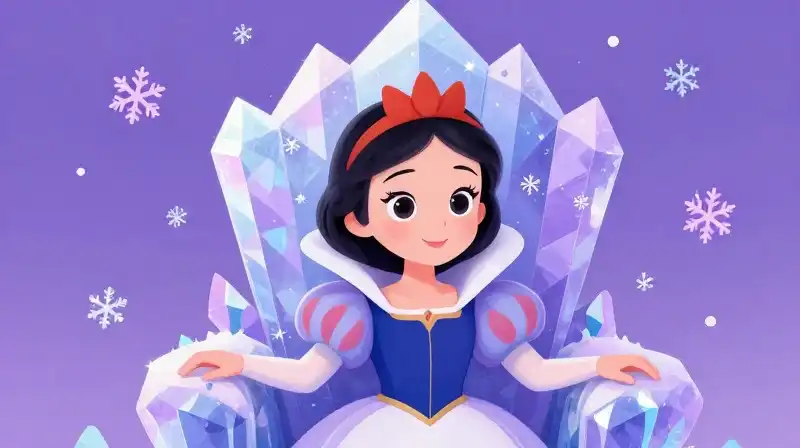 If you have ever loved *The Snow Queen*, you likely know the Disney version—a visually arresting spectacle of ice and betrayal. Yet, the original version by Hans Christian Andersen offers a dramatically different, often more psychologically resonant experience that demands our attention.
The Poignant Truth of Hans Christian Andersen
>Andersen stands out among fairytale writers for his rare ability to blend stark reality with profound magic [2]. His work is seldom just about morality; it is often steeped in complex, melancholy emotions. Consider *The Snow Queen*: the classic Andersen narrative is much more intricate than the widely distributed Disney adaptation, delving into deeper, more often darker themes of humanity, mortality, and the loss of empathy [2, 3]. When a child reads the authentic Andersen version, they engage with a story of profound transformation, moving past simple good-versus-evil toward a more sophisticated understanding of the human heart.
The Melancholy in the Hearth
>Andersen’s themes of beauty intertwined with sadness are most palpably found in tales like *The Little Match Girl*, which is famously described as being both intensely sad and breathtakingly beautiful [2]. This duality—beauty as a fragile counterpart to profound sorrow—is a hallmark of his writing. Similarly, fans of the folklore often point to the original *The Little Mermaid* as possessing a superior, more poignant narrative quality than its subsequent cinematic adaptations [2]. These stories invite readers to consider the bittersweet nature of existence, a subtlety that provides genuine narrative depth for both reflective parents and astute young readers.
The Weight of History: Complexity in Grimm, Mabinogion, and Myth
>While many modern tellings strive for maximum sweetness, the oldest forms of folklore—particularly those compiled by the Brothers Grimm and Celtic traditions—possess an inherent edginess and structural complexity that is often sanitized away in modern retelling [2].
The Edginess of the Brothers Grimm
>Grimm’s compilations are legendary for their richness, but it is this “richness” that often comes in the form of harsh realities. Tales like “Brave Little Tailor” and many others hold an underlying tension and moral weight that modern film versions frequently strip away [2]. By engaging with these original structures, we provide children with a narrative complexity that teaches resilience and the messy reality of human struggle, rather than just rewarding them with simple, clean victories.
Finding Depth in Cultural Mythology
>The “top fairy tales” list can stretch far beyond the borders of Europe. Exploring ancient world myth provides narrative avenues that offer a profound look at character impact and thematic conflict.
- Greek Myth’s Intimate Drama: Instead of focusing only on the epic clash, side stories from the Battle of Troy—such as those focusing intimately on Cassandra, Achilles, or Hector—offer a look at character impact and human frailty outside of the grand, generalized events [2].
- Exotic and Mysterious Dimensions: Expanding the canon to include captivating cultural narratives like *The Thousand-and-One Arabian Nights* introduces elements of mystery, adventure, and exotic worldbuilding that resonate deeply with a child’s sense of wonder [2].
- Medieval and Celtic Depth: Traditional medieval legends, such as *The 12 Dancing Princesses*, or the deep, layered myths found in Celtic collections like *The Mabinogion*, provide narrative gravity perfect for ambitious, meaningful retellings and analysis [2].
Navigating the Dark Elements: A Guide for Parents and Educators
 >It is a truth many parents seek: can classic tales like *Bluebeard* or *The Little Match Girl* be too intense? The answer lies in acknowledging the darkness while adapting the delivery.
Handling Mature Themes with Care
>Certain stories, such as “The Little Match Girl,” “Bluebeard,” or the intense themes within “The Snow Queen,” possess elements of horror, morality, or intense grief that can be frightening for very young audiences [2, 3].
When sharing these stories, especially with younger children, the goal is to maintain the original narrative structure and power while carefully dialing back excessive, unnecessary violence. This requires thoughtful presentation: a picture book version may need to soften the depicted action without sacrificing the original story’s profound emotional core or thematic message [3]. This approach allows young listeners to connect with the moral or symbolic weight of the tale without the fear of the graphic details.
The Diversity of Folklore: Morality Meets Horror
>The breadth of folklore is fascinating, blending pure horror with powerful morality. Stories like “The Girl Without Hands” or the complex trials of “Frau Holle” exemplify this diversity, challenging readers with layered narratives that touch upon cultural heritage and moral consequence [2]. These tales are not merely entertainment; they are ancient tools for teaching perspective and resilience.
From Classic Page to Modern Synthesis: Finding Modern Resonance
>While the classical versions provide the bedrock of our narrative understanding, modern art and technology offer ways to re-experience these themes.
Graphic novels, such as “Fables,” represent a contemporary synthesis of traditional characters and myths within a jaded, original universe. This medium allows for a sophisticated exploration of what these archetypes might be like in a modern, adult world, which can be a powerful tool for older children and teens to understand the enduring nature of these stories [2].
Finding Your Perfect Story: A Selection for Bedtime and Classroom
>For parents and educators who seek genuinely useful material—not just a list of “top” names—here is a guide based on narrative intent, age appropriateness, and thematic depth.
For the Little Ones (Ages 2-5: Simple Wonder and Soothing Themes)
The focus here is on accessible entry points into narrative themes, providing a safe but rich initial encounter with the story of magic.
- The Elves and the Shoemaker: This collection of folklore serves as an excellent, accessible entry point for young readers, establishing the magical relationship between kindness and unexpected reward [1, 2].
- Gentle Mythology: Simplified tales of common, benign creatures or gentle journeys (like certain myths about stars or rivers) provide the atmospheric elements of “magic” without the heavy thematic weight of tragedy.
For the Curious (Ages 6-10: Developing Empathy and Complex Concepts)
These stories allow for a deeper look at character motivation and the dual nature of magic.
- The Snow Queen (HCA Version): A perfect story to discuss identity, emotional warmth, and the “cold” of emotional detachment [2, 3].
- The Little Mermaid (HCA Version): Excellent for discussing longing, sacrifice, and the bittersweet cost of transformation, providing a much more nuanced discussion than a standard “happily ever after.”
- Exotic Tales (Arabian Nights): Introduces wonder and non-European narrative structures, broadening the child’s scope of what a “story” can be [2].
For the Ambitious (Ages 10+: Deep Symbolism and Theme Analysis)
These stories are suited for children ready to tackle heavy themes, cultural analysis, and complex moral ambiguity.
- Grimm’s Harder Narratives: Engaging with the darker aspects of Grimm allows for a mature discussion on consequence, harsh realities, and survival.
- The Mabinogion: Provides deep historical and cultural context alongside intricate narrative structures, perfect for analyzing character arcs through a cultural lens.
- Andersen’s Poetic Sorrow: Analyzing *The Little Match Girl* offers a powerful lesson in recognizing beauty and humanity amidst despair, a theme that is far from the shallow clickbait often found in children’s media [2].
Beyond the Top Lists: The True Measure of a “Great” Story
>Ultimately, the “top fairy tales” are not those with the cleanest endings, the brightest colors, or the most famous adaptations. They are the stories that demand engagement. Whether it is the quiet, shivering girl in *The Little Match Girl*, the frozen heart of the Snow Queen, or the ancient, weary drama of the heroes of Troy, these narratives succeed because they reflect the full, complex spectrum of the human experience—the profound magic, the difficult grief, and the enduring power of the human spirit. By choosing the original, insightful narratives over the sanitized surface gloss, we provide our children with not just a story, but a genuine, richly textured piece of literature that fosters deep imaginative engagement.
Sources
- Best Classic Fairytale (94 books) — goodreads.com
- What are your favorite fairy tales/myths? : r/books — reddit.com
- 12 Classic Fairy Tales That Won’t Give Kids Nightmares — readbrightly.com
Related Articles