
Why Are Evil Princesses So Complex? The Villainous Royal Archetype
Introduction
There is a unique, delicious tension in children’s storytelling: the sudden realization that the crown might not signify kindness. When we imagine a princess, we typically picture benevolence, grace, and virtue. Yet, within the vast landscape of fairy tales and animation, exists the powerful archetype of the Villainous Princess—a royal figure who acts as a deliberate antagonist and poses a true threat to the established order [2]. These characters are far more than just damsels in distress; they are complex studies in ambition, betrayal, and the corrosive nature of power. For parents and educators, understanding why these figures captivate and challenge is key to navigating the moral nuances of the tales we share.
The complexity of the Villainous Princess stems from their dual identity: they inhabit a space of mandated nobility while wielding dangerous, often destructive, motives. They are not simply bad people; they are powerful *royalty* who misuse their influence. Whether they are openly malevolent or mask their true intentions, their position makes their actions feel weightier and more inevitable, creating a narrative tension that is utterly compelling.
Defining the Spectrum: From Overt Malice to Subtle Ruthlessness
Not all antagonistic princesses wield the same brand of “evil.” We can divide this archetype into two primary categories, though many characters beautifully blend these traits.
The Overt Antagonist: Schemes and Domination
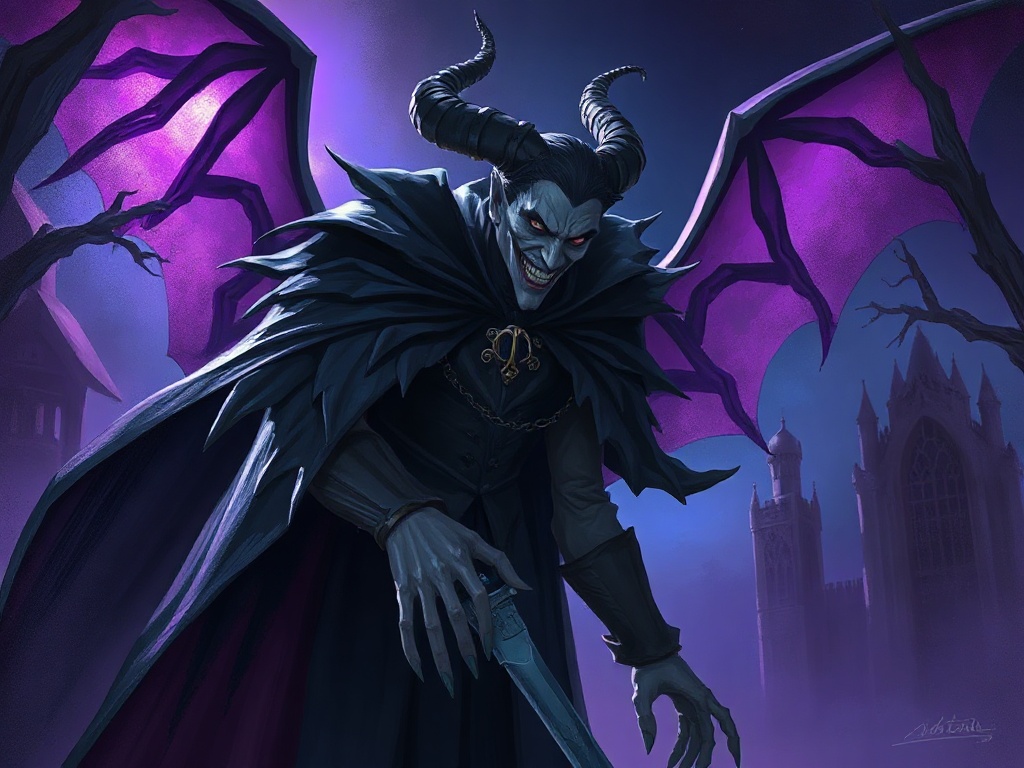
This is the most recognizable form of the Villainous Princess. She is a clear and present threat, often driven by a desire to seize power, punish those she dislikes, or achieve dominance over her kingdom. These characters thrive on grand, sometimes theatrical, displays of malice. The classic Evil Queen from the story of Snow White, for instance, is the epitome of the overt antagonist. Her motivation is purely selfish—to claim the title of “fairest in the land” and eliminate Snow White to secure that status [3]. Similarly, Maleficent commands an entire army to cast a spell of malice, embodying a traditional villain’s scale of power and intent [3]. Their villainy is rarely questioned; it is immediately clear, making them archetypal forces of external conflict.
The Subtle Strategist: The Bitch in Sheep’s Clothing
A more nuanced and often more unsettling form of the archetype involves the princess who appears to be a loyal, benevolent ruler but whose actions are secretly ruinous. This category aligns with the “Bitch in Sheep’s Clothing” concept [2]. Here, the threat is internal, masked by political savvy and a veneer of royal duty. Namaari from *Raya and the Last Dragon* offers a powerful example of this subtlety. While she is framed as a princess making noble efforts to save her kingdom, her actual motivations are rooted in underhanded plotting to acquire the Dragon Gem, creating a dangerous rivalry that threatens the protagonists [3, 2]. Her actions reveal that royalty can provide a perfect shield for ambition.
The Role of Ambiguity: When Royalty Becomes a Façade
Sometimes, the “princess” isn’t truly malicious, but is rather caught in a political or psychological trap, or is simply playing a role. This complexity subverts the expected power dynamic and adds layers of irony to the tale.
The Hidden Agent: When the Crown is a Costume
A fascinating subversion occurs when the princess’s royal status is merely a performance. In *Shrek the Third*, Rapunzel is revealed to be the ‘Mole’ working on Prince Charming’s behalf, effectively playing the role of the princess while serving his sinister interests [2]. This reveals a different kind of villainy—one of complicity, manipulation, and self-interest disguised as romantic heroism. The princess is not the source of evil, but the instrument of it, showing how external forces can corrupt even the highest station.
The Reluctant Catalyst: Defiance as a Threat
The archetype also encompasses characters whose actions, while not born of clear malice, are so self-serving or defiant that they *become* functionally villainous within the narrative structure. Merida, in *Brave*, is often cited by fans as a potential villainous princess because her intense self-interest and defiant actions nearly lead to civil war and profound instability before she undergoes a necessary change in perspective [1]. This character challenges the audience to define villainy: Is it the intent, or the destructive outcome of an individual’s will?
The Dark Interior: Misguided Passion and Corrupted Power
In modern storytelling, the most potent Villainous Princess figures often aren’t driven by a lust for a throne, but by an internal, devastating emotional state—rage, grief, or isolation. These characters are the most sympathetic, and therefore, the most dangerous.
The Isolated Power: The Weight of the Crown
Consider the analysis of characters like Elsa. While she is not a canonical villain, many fans view her as “closest to an evil princess” [1]. Her isolation and the creation of an eternal winter, fueled by her fear and self-imposed distance from her people, demonstrate a mindset of powerful, destructive isolation. Her actions, driven by an inability to connect, demonstrate an unlikable personality that rivals the archetype of the villain, showing how powerful royal responsibility can become a destructive burden [1].
The Transformation of Power: Te Kā and the Destructive Mindset
When a princess or royal figure undergoes a physical transformation fueled by internal rage, the result is a clear sign of corrupted power. Te Kā, the corrupted form of Te Fiti, represents a destructive mindset fueled entirely by rage and the physical manifestation of uncontrolled, destructive force [3]. This version of the Villainous Princess isn’t scheming; she is reacting to an unbearable internal pressure, making her conflict feel less like a moral failing and more like a force of nature gone rogue.
Beyond the Dress: When Royalty Adopts the Villain’s Cloak
The concept of the Villainous Princess can also bleed into characters who, while not inherently royal, adopt the manipulative tactics or characteristics of a high-ranking schemer. Disney provides examples of figures who use the structure of romance and royalty to deceive their targets.
Ursula, who transforms into the seductive human form of Vanessa to trick Prince Eric, is a powerful example of adopting a deceptive royal persona [3]. Her villainy is not tied to a throne, but to the cunning use of royal-like allure and manipulative power. This highlights a broader thematic point: the danger of power doesn’t always require a crown; it requires only the will to deceive and control [3].
Addressing the Core Questions: Who is the Princess of Evil? (People Also Ask)
The query regarding the “Princess of Evil” touches on the romantic, often exaggerated, perception of the archetype. The reality is that the title is a narrative device rather than a historical designation. It generally refers to characters who possess high status (royalty) and demonstrate overwhelming negative power or intent. The Evil Queen [3] is often the archetype of this title, but the concept applies to any character whose royal status is leveraged to enact profound harm. It serves as a shorthand for the combination of inherent power and malevolent intent.
The Lesson of the Crown: Why These Tales Matter to Young Readers
For a child or young person encountering these stories, the Villainous Princess offers far more than a simple lesson in “don’t be bad.” She offers a powerful lesson in complexity. By showing a character in a position of immense power—royalty—who misuses that power, the stories teach us that goodness is not tied to position. They prompt critical thinking: Is Elsa bad for pushing her people away, or is her isolation a symptom of the fear she feels? Are Namaari’s actions truly evil, or merely politically expedient? These narratives encourage the audience to look beyond the surface of the stories, to consider motivation, consequence, and the burden of power.
Instead of presenting a simple “this is good, this is bad” world, the Villainous Princess allows us to find the grey space—the space of ambiguity, self-doubt, and difficult choices. This subtle, nuanced storytelling is what makes children’s literature rich, enabling families to engage in thoughtful conversations about leadership, ambition, and the inherent risks of unchecked power.
***
Sources
- Who was the closest we got an evil Disney princess? : r/disneyprincess — reddit.com
- Villainous Princess — tvtropes.org
- List of Disney Princess Villains | Disney Princess Wiki | Fandom — disneyprincess.fandom.com
Frequently Asked Questions
What is the name of the Princess of Evil?
The article specifies that the title 'Princess of Evil' is a narrative device, not a historical designation, applied to characters who have high status and overwhelming negative power or intent. It states that the Evil Queen is often considered the archetype of this title, but the concept applies to any character leveraging royal status to enact harm.
Related Articles