

Caterpillar Bedtime Story Lessons: Guiding Your Child Through Transformation and Change

Introduction
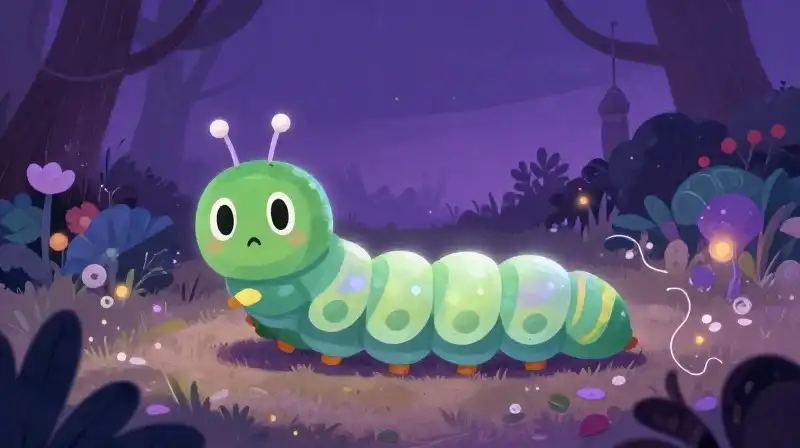
The journey from a tiny, uncertain caterpillar to a breathtaking butterfly is more than just a beautiful biological process; it is a profound metaphor for childhood itself. For young children, the world can feel vast and sometimes overwhelming. Bedtime stories, therefore, often act as gentle guides through this developmental landscape, teaching them that change is not just inevitable, but often magical. Two distinct tales—*A Pink Caterpillar* [1] and *The Very Hungry Caterpillar* [2]—offer rich, accessible insights into themes of identity, acceptance, and the conscious pursuit of growth, making them powerful tools for parents and educators alike. These stories don’t simply tell a plot; they provide a framework for understanding the emotional weight of fitting in, the solace found in mindful observation, and the quiet triumph of becoming your own best self.
The Core Narrative of Transformation and Growth
 At their heart, both narratives function as miniature rites of passage. The fundamental goal in both stories is the ultimate transformation—the emergence of the butterfly from the cocoon. While the external physical change is apparent, the internal transformation is where the real learning for children takes place.
Mindful Consumption vs. Meaningful Presence
*The Very Hungry Caterpillar* [2] centers its narrative on the literal process of growth through consumption. Carl’s early life is defined by intake—juicy apples, plump strawberries, and sweet chocolate cake. This is a concrete, highly engaging representation of rapid growth and development [2]. However, the story elevates this physical eating into a lesson in holistic well-being. The conflict arises not when Carl runs out of food, but when he feels a “spiritual or emotional void” despite being physically full [2]. This crucial shift teaches the reader that true development involves more than mere acquisition; it requires internal realization and perspective.
Embracing Difference and Social Integration
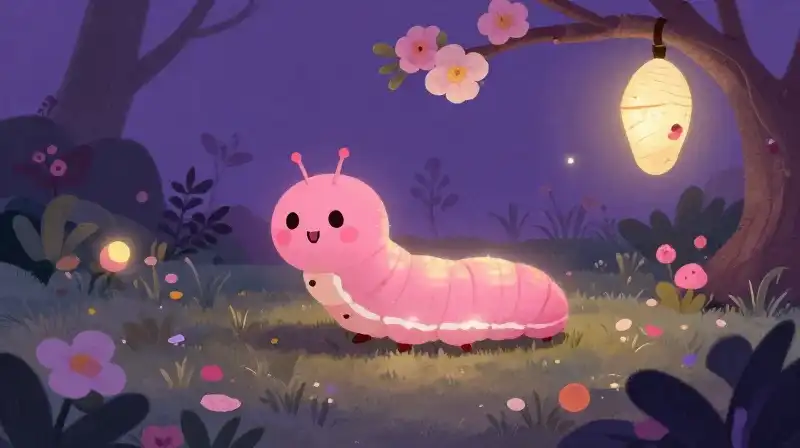
In contrast, *A Pink Caterpillar* [1] focuses less on the quantity of growth and more on the emotional landscape of identity. This narrative addresses the often-more nuanced struggle of being “different” in a world that prefers uniformity. The little pink caterpillar faces a social challenge: being bright pink while the others are shades of green. The story immediately engages the child by introducing the emotional weight of not fitting in [1]. His journey, therefore, is one of self-acceptance and inclusion, teaching that unique qualities—even those that cause initial surprise—can hold great value [1].
Analyzing Key Symbols and Sensory Experiences
The success of these bedtime stories lies in their ability to ground abstract concepts like ‘change’ in tangible, sensory details that young minds can visualize and embrace.
The Symbolism of Color
Both tales use color not merely for decoration, but as a powerful thematic symbol. In *A Pink Caterpillar*, the specific hue “pink” is deliberately chosen to represent uniqueness and visibility [1]. It is a color that cannot be ignored, forcing the character and the reader to confront the concept of standing out. The bright, vibrant colors used in the garden in *The Very Hungry Caterpillar* [2] serve to frame the entire process of metamorphosis, making the magical transition visually rich and delightful [1, 2].
The Role of Guidance and Support
A consistent element in both stories is the presence of supportive guidance that helps the caterpillar transition past its internal conflicts.
- The Ladybird’s Kindness ([1]): In *A Pink Caterpillar*, a ladybird provides external, practical help, assisting the pink caterpillar in finding the perfect pink flowers to hide in [1]. This emphasizes the importance of kindness and external empathy in overcoming social anxieties.
- Bella’s Wisdom ([2]): In Carl’s story, the gentle butterfly Bella acts as the catalyst for change, teaching him that friendship and the observation of natural beauty are just as vital as physical sustenance [2]. This highlights the necessity of shifting focus from self-consumption to external connection and mindfulness.
Comparison: Emotional Struggle vs. Holistic Realization
 To better understand the distinct lesson of each tale, consider how they address the ultimate goal of growth.
| Feature | A Pink Caterpillar [1] | The Very Hungry Caterpillar [2] |
|---|---|---|
| Primary Conflict | Social exclusion and the feeling of “feeling different” | Internal dissatisfaction and the “spiritual void” |
| Nature of Growth | Acceptance of innate uniqueness | Holistic development (mind, body, spirit) |
| Key Symbol | The specific color “Pink” (Uniqueness) | The cycle of life (consumption to change) |
| Takeaway | Kindness and self-acceptance | Mindfulness and the discovery of the “true self” |
Bridging Tales to Life: Classroom and Bedtime Application
The richness of these stories allows parents and educators to move beyond simple plot summary and into genuine thematic discussion.
Using the Stories for STEM Exploration
The biological accuracy of these narratives makes them excellent tools for integrating STEM concepts into early learning. Both stories provide a visual timeline of insect life cycles and metamorphosis, offering a concrete, engaging way to teach natural science to children in the age 4-6 range [1]. Observing the change from larva to pupa to butterfly can be a powerful lesson in biological transformation.
Discussion Prompts for Emotional Literacy
For winding-down time, these stories provide clear discussion entry points that encourage emotional processing:
- “Do you think being different is a good thing?” (Pink Caterpillar theme) [1]
- “What does ‘growing up’ look like, beyond just getting bigger?” (Very Hungry Caterpillar theme) [2]
- “How does Bella’s kindness help Carl find joy outside of eating?” (Very Hungry Caterpillar theme) [2]
The Soothing Power of Sensory Detail
When reading these stories at bedtime, focusing on the sensory language is key to calming your child. *The Very Hungry Caterpillar* relies on highly descriptive, tangible details—the “juicy” apples and the “soft” cocoon [2]. *A Pink Caterpillar* offers a similar anchor by allowing the child to visualize the “soft pink flowers” used for his peaceful transition [1]. These concrete images provide a soothing focus, making the transition to sleep feel less abrupt and more integrated with a gentle, natural cycle of completion.
Beyond the Cocoon: The Enduring Value of Growth Narratives
The caterpillar stories ultimately matter because they are relatable blueprints for internal growth. They teach children that change is multi-faceted. It is sometimes a quiet internal shift, like Carl realizing his true self isn’t found in his next meal; and sometimes it is a loud, social challenge, like the pink caterpillar finding his own special patch of flowers. By offering these gentle, colorful narratives, these tales teach children that growth is a holistic endeavor—one that requires acceptance of self, mindfulness of surroundings, and the courage to be beautifully, uniquely themselves.
Sources
- A Pink Caterpillar | Free Kids Books | Bedtime Stories — storyberries.com
- The Very Hungry Caterpillar — readthetale.com
Related Articles