Creature Archetypes: A Guide to the Mythical Beasts in Children’s Tales

Introduction
When a child encounters a creature in a story—a shimmering Forest Spirit or a misunderstood Sasquatch—they aren’t just encountering a character; they are stepping into an ancient symbol. Mythical beings are the bedrock of children’s literature, offering imaginative playgrounds where wonder, fear, and resilience live side-by-side. These creatures function as archetypes: narrative tools that help us understand complex human emotions and environmental truths through a lens of magic and mystery.
For parents and educators looking to deepen their understanding of children’s tales, these creatures provide rich, actionable themes. They offer colors to choose, conflicts to explore, and lessons about the boundary between the wild and the civilized. Let’s delve into the fascinating world of these mythical beings, examining how archetypes range from benevolent guardians to the more suspenseful and contemporary monsters we see today.
The Purpose of the Creature Archetype
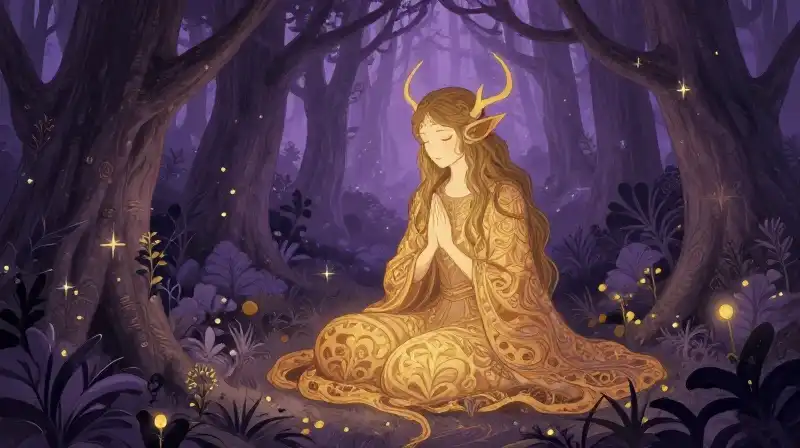
What is an archetype in the context of a bedtime story? Simply put, it is a universal pattern or symbol. A creature like the Beast of Gévaudan is not just a scary animal; it embodies the archetype of the untamable, hidden threat within society. The Forest Spirit represents the archetypal “Guardian of Nature,” a benevolent force that enforces balance. By recognizing these patterns, we move past simple plot summaries and begin to truly understand the narrative architecture of children’s literature.
The modern storybook market, as seen in contemporary designs and motifs, showcases a wide breadth of these archetypes, proving that storytelling is perpetually evolving. We see them utilized across vastly different genres, from classic folklore to blending prehistoric drama with science fiction [1].
The Forest and the Primal: Guardians of the Wild
These creatures often appear in stories designed to teach children about reverence for nature, the power of the unknown, and the necessity of balance. They inhabit the “wild” setting—a place where the rules of the human world are suspended.
The Forest Spirit (The Benevolent Watchman)
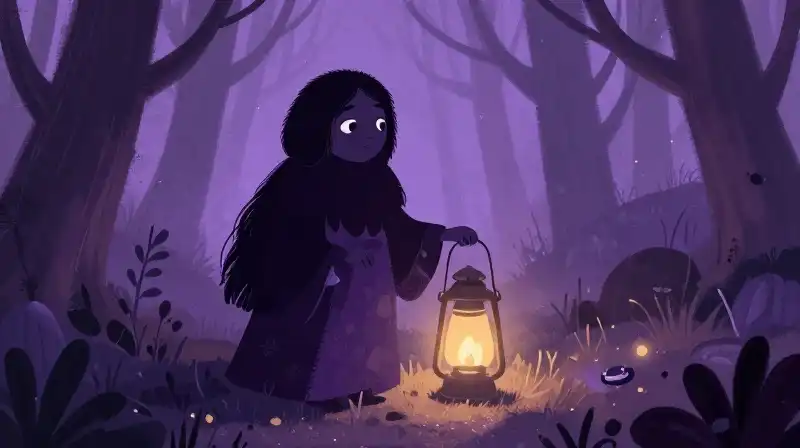
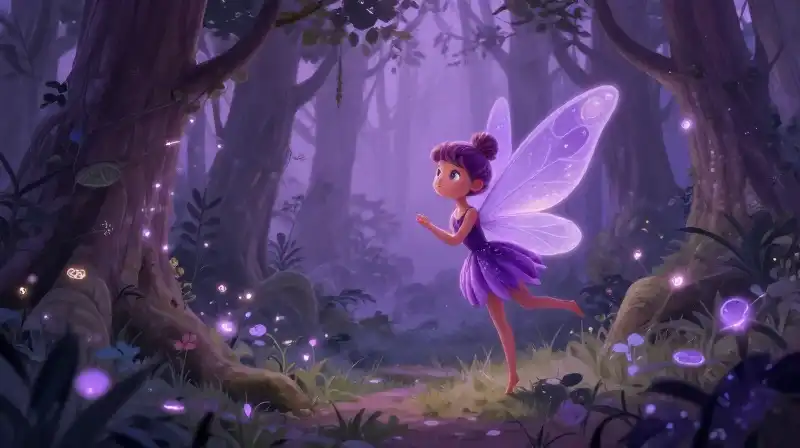
The Forest Spirit serves as a vital example of a nature archetype. It is not typically an antagonist, but a powerful embodiment of the ecological balance of the woods. In tales, the Spirit encourages respect for the wilderness, often guiding heroes or demanding proper conduct from those who enter its domain [1]. For bedtime stories, this archetype can be wonderful because it teaches that even the most mysterious places have protectors.
Sasquatch (The Cryptid Quest)
Sasquatch represents a different facet of the wilderness archetype—the elusive, legendary inhabitant. Unlike the Spirit, Sasquatch embodies the archetype of the “Undiscovered.” It speaks to the idea that even in our modern, mapped world, the wild still holds secrets. Tales involving the Sasquatch draw on the North American interest in cryptids, providing children with a narrative of exploration and mystery [1].
The Shadows: Archetypes of Suspense and Warning
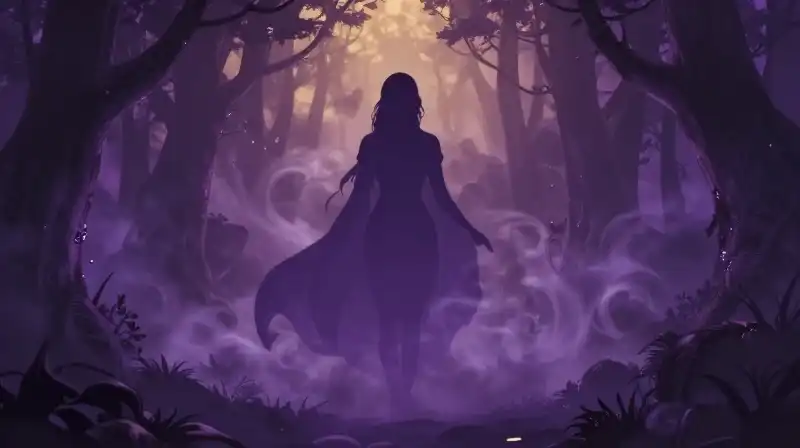
Not every archetypal creature is intended to soothe. Some are designed to elicit awe, caution, or even genuine suspense. These creatures are often used to explore themes of internal struggle, danger, and the consequences of defying boundaries.
| Archetype | Thematic Focus | Narrative Function |
|---|---|---|
| Beast of Gévaudan | Uncontrolled, ancient threat | Embodiment of a primal, unexplained danger within human territory [1]. |
| Wendigo | Insatiable hunger, unnatural greed | A terrifying representation of a deep moral flaw or the corruption of nature [1]. |
| Killer Clown Skully | Modern psychological disruption | A contemporary villain archetype, often signaling a shift toward character-driven horror in children’s narratives [1]. |
The Wendigo and the Beast of Gévaudan, for instance, are compelling examples of highly dramatic or suspenseful figures [1]. While the Forest Spirit teaches patience, the Wendigo challenges the reader to understand the devastating cost of greed, making them potent tools for teaching difficult moral lessons.
The Blending of Myth: Futuristic and Legendary Creatures
Modern storytelling rarely sticks strictly to classic folklore. Many contemporary narratives blend the supernatural with science fiction, creating new archetypes that speak to the modern child’s interests in technology, the cosmos, and epic adventures.
Dino Alien Chase (The Sci-Fi Epic)
The combination of dinosaurs and aliens, as seen in modern apparel motifs, exemplifies the archetype of the “Ultimate Adventure.” This blending allows children to enjoy the primal spectacle of prehistoric life while adding the limitless imaginative scope of science fiction. It moves the narrative away from a single geographic setting and into a vast, intergalactic playground [1].
The inclusion of these high-energy, legendary elements demonstrates a market interest in creatures that combine massive, legendary proportions with thrilling, action-oriented scenarios [1].
Addressing Common Questions About Story Archetypes
Many parents and educators have specific questions about the utility of these mythological beings in the classroom and at bedtime.
How to Navigate Scary vs. Soothing Archetypes
Archetypes don’t have to be exclusively scary. The difference lies in their function and context. For a soothing bedtime story, look for archetypes of quiet wisdom, such as the Forest Spirit or the legendary guardian—creatures whose power is used for protection and stability. If a child is struggling with a fear of the unknown, a creature like Sasquatch can be a great conversational prompt about what is outside our view, focusing on curiosity rather than pure terror.
What are the Best Story Ideas Based on Creature Archetypes?
The “best” ideas are always rooted in a specific lesson. Instead of simply “a Sasquatch story,” try focusing on the archetype of the “Seeker.” A story where a child searches for a lost item and encounters a guardian (like the Forest Spirit) forces them to practice humility and observation. These archetypes provide an endless supply of thematic “character archetypes” for custom tales [1].
Synthesis: Why These Creatures Still Matter
The creature archetypes in children’s tales are far more than decorative elements; they are essential narrative shorthand for profound human experiences. Whether we are reading about the dramatic suspense of the Beast of Gévaudan or the sheer wonder of a Dino Alien Chase, these stories are giving our children a language to process large, complex ideas—respect for the earth, the power of curiosity, and the enduring presence of the marvelous in the ordinary.
By engaging with these tales, parents and educators are not just reading stories; they are fostering a deep appreciation for the rich, varied ways the human imagination shapes our understanding of the world.
***
Sources
- Bedtime Stories — bedtime-stories.creator-spring.com
Related Articles