Creepy Mermaids: Uncovering the Dark Origins of Sea Monsters

Introduction
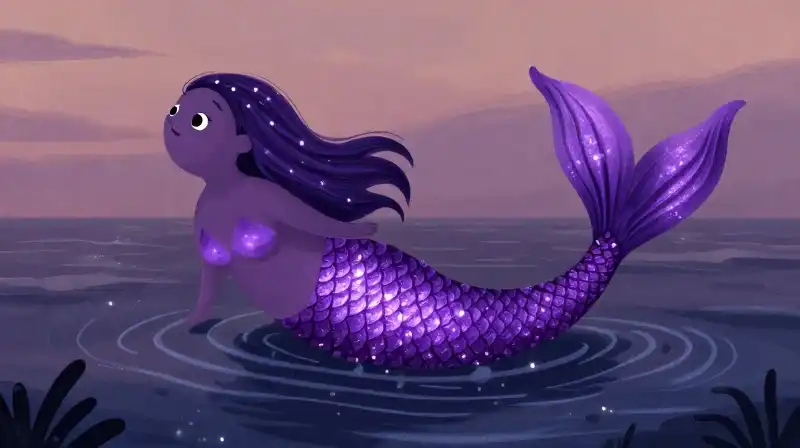
When we think of the sea, we often conjure images of sun-kissed shells, shimmering turquoise waters, and mythical creatures that inspire wonder. We picture the classic, benevolent mermaid—a figure of ethereal beauty and aquatic grace. Yet, beneath this surface of romantic wonder lies a deeper, far more complex history. The idea of a “creepy mermaid” pulls us into the darker corners of maritime folklore, where the alluring magic of the deep clashes sharply with its inherent danger. These tales are not merely scary; they are profound meditations on the unknown, the deceptive nature of beauty, and the deep, often perilous relationship humans have with the vast, ancient oceans.
The Foundations: When Myth Met the Deep Sea
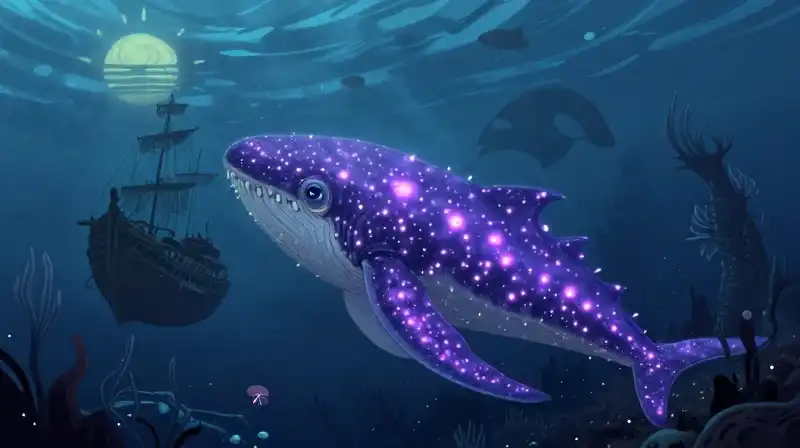
To understand the shift from beautiful sea nymphs to terrifying aquatic monsters, we must look at the true origins of aquatic lore. Long before the whimsical, fairytale mermaids arrived, early sailors and coastal inhabitants often misidentified real, massive marine life. Many tales attributed to mermaids may actually describe sea cows—gigantic, mysterious creatures that could be frightening or confusing to those who encountered them [1]. This foundational layer suggests that the “creepy mermaid” is not just a fictional concept, but a creative distortion of real biological wonder and overwhelming, unpredictable natural forces [1].
This conflation of the real and the imagined led to the evolution of creatures like the Kelpie. Hailing from Scottish folklore, the Kelpie represents a far more sinister form of aquatic danger. Unlike mermaids, who are often portrayed as beautiful lures, the Kelpie is a malevolent shapeshifter. It possesses the ability to transform into something inviting—a white pony, or even a beautiful woman—only to lure young people into the water and devour them [1]. Its terrifying presence is often heralded by a distinct, terrifying sound: an unholy wailing or the rhythmic crashing of its tail as it enters the water, which some stories compare directly to the thunder of a storm [1].
A Spectrum of Aquatic Horror: From Literature to Digital Folklore
The dark origins of the mermaid and related aquatic creatures manifest in wildly different ways across history and modern storytelling. These variations allow us to analyze what different cultures and eras chose to fear about the water:
The Unsettling Classic: Hans Christian Andersen
While we often think of modern Disney renditions, Hans Christian Andersen’s original version of *The Little Mermaid* is crucial to understanding the “creepy” roots of the character. The tale contains deeply unsettling elements, contrasting sharp, unforgiving reality with a desperate, dangerous longing. This original framework focused less on a gentle wish and more on a desperate, often painful sacrifice and the inherent danger of being “other” [1].
Modern Digital Echoes: The Unseen Threat
Contemporary folklore, particularly in the form of “creepypasta,” continues to explore the subgenre of imaginative horror, using the creature to explore themes of the unknown and environmental decay. One modern account recounts a terrifying encounter involving a family and a creature watching them from a filthy, oil-slicked ocean [1]. This terrifying figure—described as having sharp teeth, grey skin, and bright green eyes—serves as a potent, visceral symbol of pollution and hidden, predatory threats lurking in our deteriorating world [1].
This theme of environmental dread extends into speculative fiction, where deep-sea merfolk are sometimes envisioned not as glamorous, but as “eyeless fluorescent creatures” inhabiting extreme depths. These creatures represent the ultimate frontier: the vast, unexplored, and frightening nature of our planet’s deepest oceans [1].
Symbolism and Interpretation: Why the Deep Scares Us
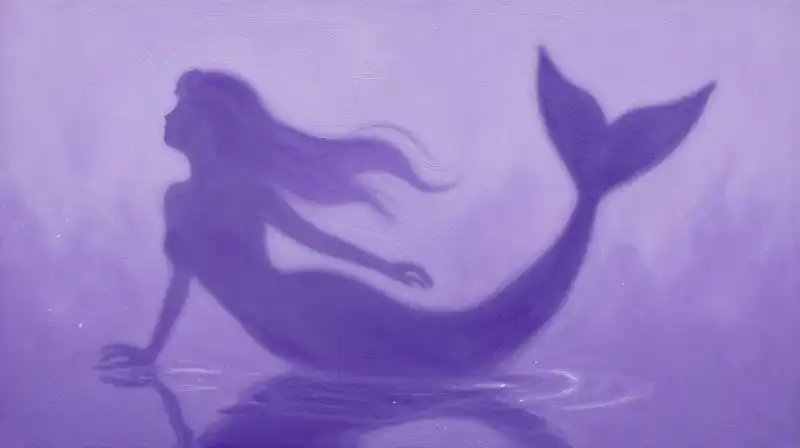
The enduring appeal of the scary mermaid lies in the powerful symbolism she carries. She rarely represents simple beauty; rather, she represents the sublime and the perilous nature of the unseen. The narratives often circle three core themes:
- The Peril of Illusion (The Deceiver): Creatures like the Kelpie operate purely on deception. Their ability to transform from an inviting form into a terrifying beast with “red or jet black eyes” ensures the victim’s demise, highlighting the danger of trusting appearances [1].
- Environmental Decay (The Unhealthy Water): In modern interpretations, the water itself becomes corrupted. The sea is no longer pure; it is described as “uncomfortably warm” or smelling like “formaldehyde,” suggesting that the water—and the creatures within it—are infected by industrial neglect [1].
- The Danger of Lost Innocence (The Unachievable Dream): Abstract, modern folklore uses the creature to represent self-actualization going horribly wrong. A narrative might feature a girl who becomes a mermaid but tragically drown because her mind fails to accept the fundamental impossibility of her dream, illustrating the brutal stakes of lost innocence [1].
Creepy Mermaid: Answering Common Questions
People often wonder about the real-life origins and sightings of these creatures. These searches touch upon the blurred line between myth and reality:
Creepy Mermaid in Real Life and the Ocean
When searching for “creepy mermaid in real life,” it is important to remember that much of this imagery stems from historical misidentification. As noted, early sightings often involved large sea cows [1]. While modern creepypasta and “real photos” are meant to enhance horror, they function as storytelling devices to amplify our cultural anxieties about the marine environment [1].
What Does the Kelpie Represent?
The Kelpie is a powerful example of “creepy mermaid” archetype when focusing on malice. Unlike the mermaid who might be melancholy or victimized, the Kelpie is purely malevolent, designed to deceive and destroy. It embodies the treacherous nature of appearances, transforming from the benign to the deadly [1].
Creative Application: Using Dark Water in Storytelling
For educators and parents looking to integrate these powerful themes into bedtime stories or classroom projects, the goal is not to instill pure fear, but to foster critical thinking about appearance versus reality and environmental stewardship. Here is how you can utilize this thematic richness:
Palette of Warning: If you are creating visuals or describing a setting with this undertone, consider using a palette of deep indigos, murky greens, and sickly greys, contrasted sharply with alarming pops of blood red or fluorescent green (evoking the sea creatures in modern tales) [1]. These colors evoke instability and the feeling of something being profoundly *wrong* with the environment.
A Note for Bedtime: These intense, dark tales are generally best used for older children (middle elementary age and up) who can process complex themes of environmental decay or the fear of the unknown. For younger children, focusing on the Kelpie’s transformation can be framed as a lesson in not trusting what looks too good to be true, rather than pure terror. It teaches vigilance.
Synthesis: The Value of the Dark Tale
The creeping presence of the mermaid in our folklore reminds us that storytelling is a mirror to our deepest anxieties. These “creepy mermaid” stories are remarkable because they transcend simple fantastical elements; they address fundamental human fears: our fear of the depths, our fear of nature turning hostile, and our fear of illusions. By looking past the sparkling tail and the typical “Disney princess” mold, we see tales that force us to consider the beauty and the brutality of the natural world. They provide children and adults alike with rich, complex material to analyze, reflecting the profound power of the sea as both a source of wonder and a monument to the dangers that lie just beyond our vision.
Sources
- Anyone, got/know any creepy mermaid stories? : r/creepypasta — reddit.com
Related Articles