Beyond the Tower: Defining the Archetypes of Fairytale Castles

Introduction
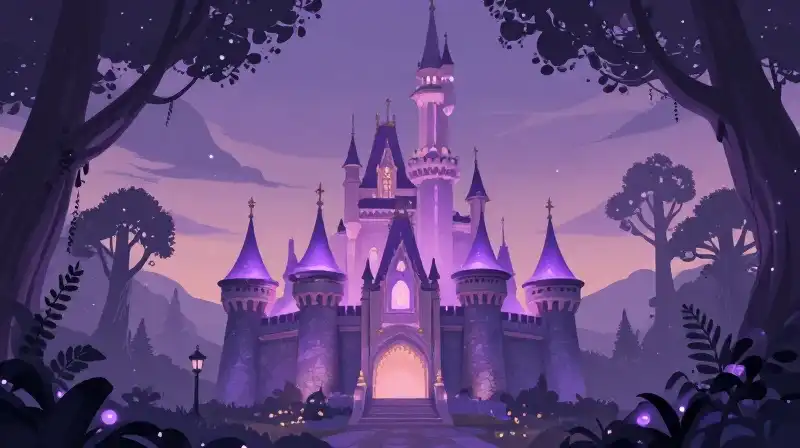
When we think of a fairytale castle, our minds often drift to a single, sweeping image: a magnificent, turrets-laden fortress atop a faraway hill. But what is a castle, really, when it comes to children’s stories? It is far more than just a beautiful backdrop; it is a psychological character in the tale. The architectural choices—the soaring gothic arches, the tiny, concealed passage, or the ancient, crumbling stone—are not random. They signal the mood, define the boundaries between safety and the unknown, and even shape the moral of the story.
For parents and educators, understanding the specific “archetype” of a castle allows us to better predict the story’s narrative arc. Is this castle a place of triumphant romance, hidden danger, or stately, glittering power? By examining the worldbuilding of these extraordinary places—from the lush, painted dreams of King Ludwig II’s towers to the intimidating, defensive walls of ancient fortresses—we can find concrete ideas for imagination, classroom discussions, and those precious bedtime moments.
The Archetype of Idealism: The Dream Castle
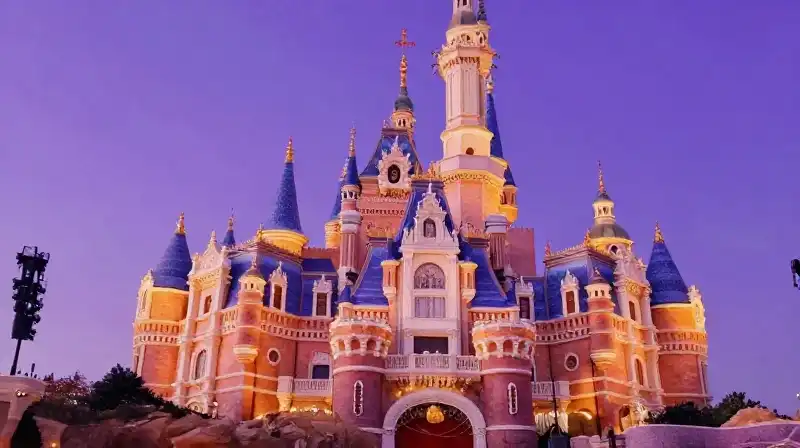
The first and most common archetype in literature is the Idealized Castle. This is the setting of pure fantasy, designed not for defense, but for aesthetic power and romantic escapism. Its purpose is to represent a “fairytale” or a heightened sense of wonder.
Romantic Architecture and Grand Design
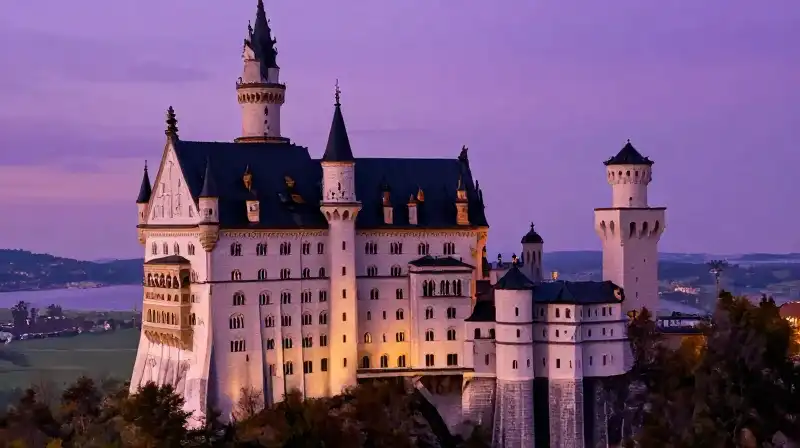
The archetype of the “ideal” castle is often found in those built as tribute to operatic grandeur and high romance. Neuschwanstein Castle, internationally recognized for its theatrical design, was created by King Ludwig II as a tribute to medieval legends, theater, and opera [1, 2]. This specific style embodies the archetype of the “handsome prince’s destination”—a place of breathtaking beauty that suggests the culmination of a brave quest.
A similar, though distinctly lavish, version is seen in DeHaar Castle in the Netherlands. While it boasts the classic grand appearance of a medieval castle with richly ornamented wooden carvings, it simultaneously provides the comfort and luxury of a modern dream. This blends the archetype of “Fantasy-Comfort,” where the impossible becomes physically achievable for the story’s main characters [3].
These castles use specific elements to cue the reader’s imagination: winding staircases, hidden rooms, secret passageways, balconies, and fantastic gardens—all designed to foster adventure and romance [1].
The Archetype of Protection and Mystery: The Fortress Castle
Every castle, however grand, is ultimately an island—a boundary between the civilized interior and the wild exterior. This archetype focuses on the defensive reality of stone and the secrets that lie within its thick walls.
Defensive Origins and Strategic Importance
In storytelling, the defensive castle serves as the “safe haven” or the crucial prize. Eltz Castle provides an excellent real-world example of this archetype. It was initially built for purely military purposes, featuring thick walls, watch towers, and a dungeon [1]. For children’s tales, this structure immediately signals themes of protection and siege, often setting the scene where the protagonist must overcome an outside threat.
Another compelling variation is the Fortress Castle that embraces the hidden. Predjama Castle in Slovenia is unique, being the largest cave castle in the world, constructed directly into a tall cliff entrance [3]. This lends itself to specific tale elements of “hidden danger,” where the security of the walls is a façade and secrets are guarded in the depths of the mountain.
The Power of Dramatic Isolation
Some castles use dramatic natural settings to enhance their narrative power. Chillon Castle in Switzerland, a 12th-century fortress situated on a rocky island in Lake Geneva, embodies “dramatic isolation” [3]. Its story is instantly more intense than a castle on flat land, lending itself to tales of exile, drama, and the dramatic contrast between the wild elements and the cold, imposing stone.
The Archetype of Regal Power: The Stately Stage
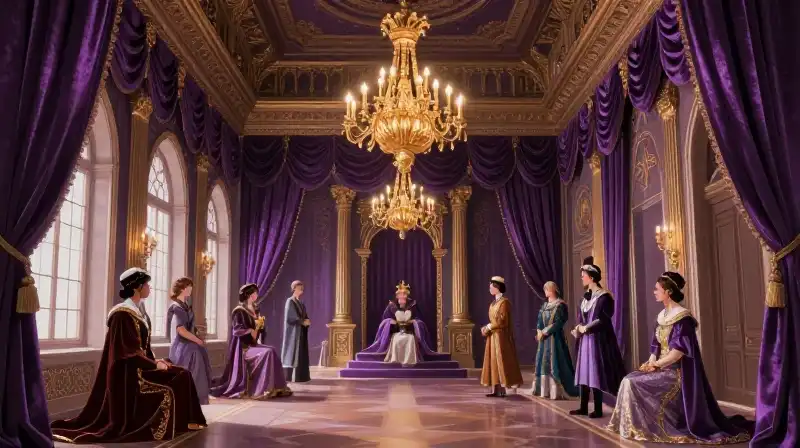
This archetype focuses less on external defense and more on the internal life of the nobility. These castles are designed to awe, providing a grand, controlled environment for tales of succession and high society.
Frederiksborg Castle in Denmark is a perfect example. Originally built for royalty, its interiors showcase lavish Renaissance styles and ancient chapels that have endured the passage of time [3]. This setting is ideal for stories revolving around tradition, duty, and the formality of royalty—where the grandeur of the halls reflects the weight of the crown.
| Castle Type | Architectural Vibe | Story Archetype | Narrative Function |
|---|---|---|---|
| Idealized/Romantic | Gothic, ornate, scenic (e.g., Neuschwanstein) | Triumph/Quest | Providing a high-stakes, beautiful goal for the hero. |
| Fortress/Defensive | Thick stone, watch towers, rugged (e.g., Eltz) | Protection/Survival | Establishing clear boundaries between safety and threat. |
| Stately/Regal | Renaissance, lavish interiors, symmetrical (e.g., Frederiksborg) | Duty/Inheritance | Focusing on the structure of power and the life of court. |
| Cave/Secluded | Hidden, geological, dramatic (e.g., Predjama) | Mystery/Isolation | Emphasizing hidden secrets or dramatic fate. |
The Archetype of the Hidden Shadows: The Grit Castle
Not every fairytale is painted in gold. A critical archetype for a more nuanced story is the “Grit Castle”—the place where the romance meets the dark reality of power. This castle grounds the fantasy in human struggle, fear, and history.
Blending Grandeur with History
Niedzica Castle in Poland provides a powerful example. While it possesses the imposing beauty of a traditional grand castle, it is equally famous for its original furniture and the documented existence of a severe prison, including a terrifying torture room [3]. For the parent reading these stories with a child, this archetype teaches a crucial lesson: even the most beautiful and powerful structures can harbor deep shadows. It adds necessary texture and complexity, ensuring the “evil” is not just a cape, but a palpable historical weight.
This archetype is particularly important for children slightly older, as it moves beyond the simple “good vs. evil” binary, allowing for stories that explore fear, consequence, and the darker side of authority.
What is the Fairytale Castle? Understanding the Archetype (Addressing PAAs)
For some, the question “What is the fairytale castle?” is one of the most common. In short, a fairytale castle is not a real building but a powerful archetype—a narrative device that encapsulates the relationship between aspiration, power, danger, and refuge.
- As Aspirational Goal: It represents the ultimate prize (the “handsome prince galloping in on a white horse to slay the vicious, fire-breathing dragon”) [1]. It symbolizes the achievement of ultimate beauty or power.
- As The World: It sets the stage for the rules of the story. A castle in the forest is a different world than a castle on a mountain, immediately establishing the tone and the obstacles the hero must overcome.
- As The Character: Like a person, a castle has a personality. Is it a comforting host (DeHaar), a stern warden (Eltz), or a magnificent backdrop (Frederiksborg)? This personality dictates the way characters interact with it.
Choosing the Right Archetype for Bedtime and Classroom
Selecting the right castle archetype depends entirely on your child’s stage of imagination and the story’s intended mood. Using specific, concrete details from these archetypes can enrich both storytelling and reading aloud.
- For the Youngest: The Dream Castle. Choose settings like the Neuschwanstein style to provide sensory comfort. Focus on the beauty of the “fantastic gardens” and “winding staircases,” letting the colors of the sunset hit the idealized stonework. This focuses on wonder and the idea of a joyful quest.
- For the Explorer: The Fortress Castle. Use the imagery of Eltz or Chillon. Discuss the “thick walls” and “watch towers.” This introduces the concept of danger and strategic thinking—how do we cross this boundary safely?
- For the Storyteller: The Grit Castle. When reading to slightly older children, Niedzica offers vital depth. Discuss not only the “lavish” chambers but the “documented prison.” This introduces complex morality and shows that even legends have harsh undercurrent.
Synthesis: Why the Castle Remains Our Ultimate Symbol
From the richly ornamented woods of DeHaar to the brooding walls of Eltz, the castle is more than a historical curiosity; it is the ultimate vessel for human longing. It is where the world is most clearly divided: here is the safe, controlled world of the nobility, and there is the wild, often unpredictable world outside.
By recognizing the different archetypes of the castle, we give the simple tale a profound structural richness. We learn that the “fairytale castle” is a movable, adaptable idea—a blank canvas of stone that children, through the magic of stories, can project onto their own versions of perfect or terrifying.
***
Sources
- Castles and Romance: Fairy Tales Set in Stone — suehand.com
- 6 fairy-tale castles to visit in Germany — goaheadtours.com
- Fairytale Castles in Europe You’ve Probably Never Heard Of — theworldinmypocket.co.uk
Frequently Asked Questions
What is the fairytale castle?
A fairytale castle is not a real building but a powerful archetype, which serves as a narrative device encapsulating the relationship between aspiration, power, danger, and refuge. It functions similarly to a character, as its personality—such as being a comforting host, a stern warden, or a magnificent backdrop—dictates how characters interact with the setting.
Related Articles