Types of Mermaids: From Ancient Mythology to Modern Animation

Introduction
There is something profoundly elemental about the pull of the ocean—that deep, mysterious blue expanse that has always promised hidden kingdoms, ancient secrets, and creatures of breathtaking beauty. For centuries, the mermaid has captivated storytellers, from the deep-sea sirens of myth to the digital sprites of modern animation. Yet, the mermaid is not a monolith. She is a shifting figure, a complex tapestry woven from ancient fertility goddesses, treacherous sirens, romantic dream-weavers, and courageous heroes. Understanding the mermaid is understanding the nature of transformation itself—the powerful shift between worlds.
For parents and educators seeking depth beyond the surface glitter, these tales offer far more than just beautiful illustrations. They are deep dives into elemental power, the longing for belonging, and the magical potential inherent in change. We invite you to explore the myriad types of mermaids, tracing their journey from the misty legends of European rivers to the high-tech worlds of contemporary media.
The Elemental Origins: Ancient Mermaids and the Spirit of the Water
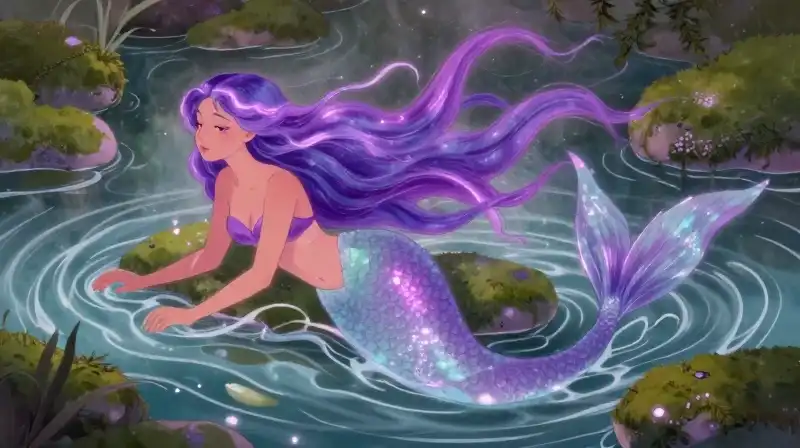
Long before Disney’s versions graced the screen, the mermaid was a powerful force in ancient cosmology. In mythology, merfolk were tied inextricably to the elements and cycles of nature, often representing fertility and the raw power of the water [2]. Mythological mermaids often represent elemental and fertility powers, such as the Syrian/Assyrian fertility goddess Atargatis and the Slavic Rusalki water nymphs [2].
These ancient spirits often held specific ecological significance. The goddess Melusine, for example, represents a freshwater spirit and is typically depicted with a serpentine or fish tail, firmly tying the creature to particular environments [2]. The German legend of Lorelei provides a darker, more cautionary tale of a beautiful maiden on the Rhine. Her “dulcet-voiced power” was believed to have the intent of luring sailors toward their own doom [2]. While later stories often softened this danger, the foundational mythological archetype carries the weight of deep, untamable power.
The archetype itself often carries names that suggest these deep connections to nature, such as Ondine, a name that has been reused across various modern adaptations [2].
Literary Mermaids: The Power of the Narrative
As the concept of the mermaid moved from myth to literature, she began to take on narrative roles that influenced how we view her today. Hans Christian Andersen’s 1837 fairy tale, *The Little Mermaid*, presents one of the most enduring literary interpretations, focusing on longing and sacrifice [2]. This tale gave rise to the archetype of the mermaid as a figure desperately seeking connection with the human world.
Modern literature and cinema have taken this archetype and given it varied interpretations. While Disney’s iconic Ariel in *The Little Mermaid* (1989) is the most globally recognized figure, serving as a perfect example of how classic folklore successfully transitioned into a modern, mainstream adaptation [2], other films offer different readings. In *Splash* (1984), the character Madison provides a modern twist, centering the narrative on a mermaid who falls in love with a human, shifting the focus from traditional romantic longing to genuine, cross-species affection [2]. The names used in these early stories, such as the unnamed titular mermaid in HCA’s tale, help anchor the reader in a specific, beloved narrative [2].
Modern Merfolk: Transformation, Guidance, and Group Dynamics
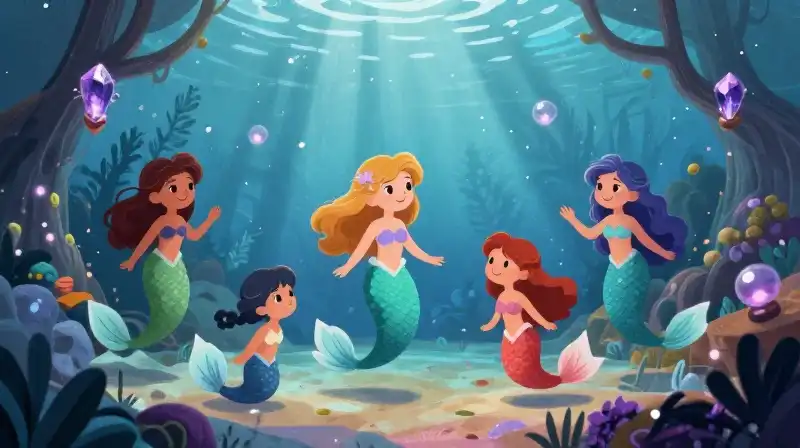
Contemporary media has expanded the mermaid far beyond the romantic or cautionary trope. Today’s merfolk often serve as complex characters, mystical guides, or integral parts of a larger, diverse group. In many modern productions, mermaids act as benevolent guides or friends to protagonists, such as young mermaid Marina in *Jake and the Never Land Pirates* or a character featured in *Dora the Explorer* [1].
The Theme of Transformation
Perhaps the most popular and meaningful thematic thread in children’s stories today is transformation, and mermaids are the ultimate vehicles for this concept. Mermaids illustrate the idea of radical change and finding one’s place in a world that doesn’t understand you. This is seen in several examples:
- Magical Shift: In the Nickelodeon series *H 2 O: Just Add Water*, three girls transform into mermaids, gaining supernatural control over the water itself [1].
- Belonging Through Change: In *Chloe’s Closet*, friends turn into mermaids, offering a tangible way for children to explore different identities and social dynamics [1].
- Advanced Transformation: Even in science fiction, transformation appears, such as when the character Eve uses nanomachines to shift into a mermaid in *Black Cat* [1].
Blending Archetypes and Genres
Modern series frequently blend the mermaid with other mythological or fantastical beings. Ori’s hybrid form as a mermaid-satyress in *A Centaur’s Life* shows how authors combine various archetypes to create unique characters [1]. Furthermore, merfolk appear across diverse genres, from the digital worlds of *Cyberchase* (Binary) to the dramatic landscapes of Philippine media like *Aryana*, where a character is raised by a mermaid [1]. This adaptability demonstrates the incredible versatility of the mermaid archetype.
Answering Reader Questions: Sirens, Guides, and Real-World Merfolk
The internet often confuses the term ‘siren’ with ‘mermaid.’ While both creatures belong to the water, their folkloric functions are different. Sirens, particularly in classical lore, are defined by their fatal allure—their song is a dangerous, irresistible call meant to lead sailors to ruin [2]. In contrast, the archetypal merfolk, like those in modern series such as *Bermuda Triangle: Colorful Pastrale* [1], are often portrayed as a diverse community of friends, protectors, or companions who inhabit their own vibrant worlds.
Who are the famous professional mermaids? The term “mermaid” in a modern, professional sense usually refers to human performers who utilize elaborate costumes and makeup to create the illusion of a mythical creature. Figures like Annette Kellerman, who starred as a mermaid in the 1918 film *Queen of the Sea*, represent the early transition of the mythical being into a cinematic role [Competitor Snippet].
Beyond the fictional realm, the mermaid also holds a specific, culturally rooted identity. In Philippine media, the character of Dyesebel is a well-known regional example of a merfolk character, representing specific cultural lore [1].
Using Merfolk for Storytime and Classroom Discussion
The sheer variety of mermaid types—from the tragic longing of HCA’s version to the protective guides of *Dora the Explorer*—offers endless possibilities for engaging children. Instead of a dry lesson, you can use these stories to spark conversation about different human emotions and concepts:
- The Power of Change (Transformation): Use stories like *H 2 O* or *Chloe’s Closet* to discuss what it feels like to be different, or the courage it takes to adapt to a new environment.
- The Responsibility of Song/Power: Discuss Lorelei vs. Marina. What is the difference between using your beautiful voice to lure someone to harm, and using it to call a friend? This is an excellent way to explore moral agency.
- Belonging and Hybridity: The blend of species, like Ori the mermaid-satyress, allows children to explore the idea that “more than one thing” doesn’t mean being mixed up; it can mean being uniquely capable and special.
A Synthesis of Myth and Modern Magic
The journey of the mermaid is a reflection of the human desire to bridge the gap between the known and the unknown. She moves from the elemental, terrifying power of an ancient spirit to the vulnerable, longing protagonist of a 19th-century tale, and finally settles into the vibrant, complex characters of modern animation. Whether she is a mystical protector, a powerful transformation, or simply a friend in a fantastical world, the mermaid remains a profoundly powerful symbol of what lies just beyond the horizon—a beautiful reminder that the deepest magic often comes from a willingness to change, to swim against the current, and to find strength in one’s unique depths.
Sources
- Mermaids in popular culture — en.wikipedia.org
- What are some names of famous mermaids? - Quora — quora.com
Frequently Asked Questions
Who are some famous sirens?
The article defines sirens as creatures in classical lore whose song provides a fatal allure, designed to lead sailors to ruin. The German legend of Lorelei is provided as a cautionary example of a beautiful maiden whose voice lured sailors to their own doom.
Who are the famous professional mermaids?
Professional mermaids are typically human performers who utilize elaborate makeup and costumes to create the illusion of a mythical creature. Figures such as Annette Kellerman, who starred as a mermaid in the 1918 film *Queen of the Sea*, represent the early transition of this concept into a cinematic role.
Related Articles