

The Curse of Red Shoes: Finding Redemption in a Classic Tale


Introduction
There are many tales of dancing and movement in children’s literature, but few possess the profound, dark, and ultimately spiritual intensity of Hans Christian Andersen’s 1845 classic, “The Red Shoes.” In most fairy tales, the magical item worn by the heroine brings joy or power that eventually leads to a beautiful, world-ending wedding. In “The Red Shoes,” the magical footwear, however, acts as a powerful, consuming curse, forcing its wearer into a perpetual cycle of compulsive dance that threatens her very existence [1, 3]. This is not a story that concludes with a happily-ever-after moment—it is a story of devastating vanity, internal struggle, and radical spiritual redemption. For parents, educators, and story enthusiasts, “The Red Shoes” offers a sophisticated look at how external beauty can mask profound internal dissonance, teaching us that true freedom is found not in the shoes we wear, but in the peace we cultivate within.
The Symbolism of Red: The Allure of Appearance
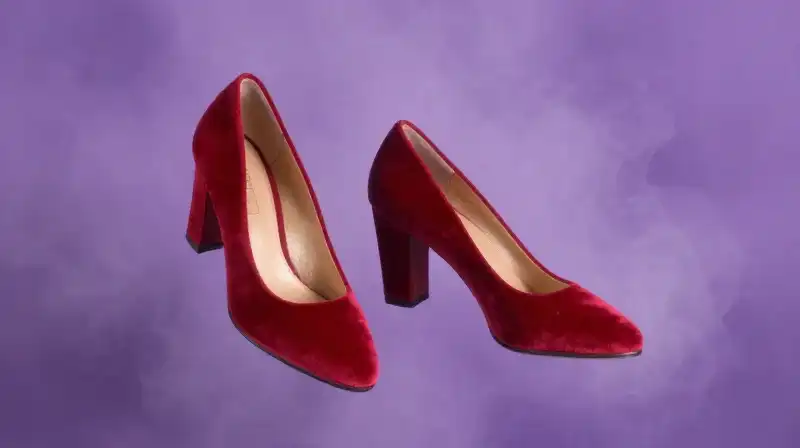 In the narrative, the red shoes are much more than mere footwear; they are a potent symbol of superficial allure and material vanity. Karen, the protagonist, is first presented with these shoes in two potential scenarios—either simple cloth shoes from a humble shoemaker’s wife, or the more refined pair given by her adoptive mother [2, 1]. Regardless of their humble or elegant origin, they represent a powerful temptation.
When Material Beauty Overwhelms Duty
Karen’s fatal attraction begins when the visual appeal of the shoes eclipses all other obligations. The moment she is “enamored” of the red shoes, she begins to prioritize external splendor over moral conduct [1, 2]. This obsession manifests specifically when she ignores her adoptive mother’s strict rule: she must only wear black shoes when attending church. This seemingly small act of disobedience—choosing vibrant, alluring color over the somber expectation of the sacred—is the precise moment her journey into moral trouble begins [1, 2]. The red, a color often associated with passion or energy, here becomes the color of her downfall, demanding attention at the expense of her conscience.
The Activation of the Curse: Power Without Control
The power of the red shoes is introduced through a mysterious and imposing figure: a sinister old soldier sporting a red beard. This figure acts as the catalyst for the curse, granting the shoes an unsettling, perverse agency over Karen [1, 2]. The words he imparts to the shoes—“Never come off when you dance”—are not merely poetic; they are a declaration of control [1, 2].
A Perverse Sense of Power
Once the curse is active, the shoes cease to be objects of adornment and transform into a controlling, external force [1, 2]. They do not simply encourage dancing; they *force* Karen. This transition is crucial to understanding the tale’s central conflict. The dancing begins immediately after church, escalating to a point where Karen can no longer resist, even years later, long after her adoptive mother has passed away [1, 2].
The Internal Conflict: Physical Suffering vs. Spiritual Prison
 As the dancing becomes relentless, Karen’s life spirals into terror. She realizes she is trapped not by a mere habit, but by a magical compulsion rooted in her initial sin of vanity.
The Illusion of Escape
In her despair, Karen attempts to resolve the physical problem. She finds an executioner and pleads to have her feet amputated, believing that by removing her feet, she can finally stop the dreadful dance [1, 2]. This desperate act, however, yields the greatest insight into the tale’s meaning: the shoes continue to dance even with her feet severed. This devastating detail emphasizes that the true prison is not her physical body, but her internal, spiritual state, fueled by the unresolved need to satisfy the vanity the shoes represent [1, 2]. She cannot escape the “curse” until she addresses the vanity within her own heart.
The Journey to Redemption: Cessation and Confession
The climax of “The Red Shoes” is not a battle with the shoes, but a battle for the soul. Karen’s forced dance brings her to the brink of ultimate punishment, yet the path to redemption requires an active, painful choice: repentance.
Mercy from the Sacred
Karen faces two opposing supernatural forces. First, there is the terrifying angel who appears with a sword, condemning her to dance until she transforms into a “skeleton” [1, 2]. This represents the consequences of an unexamined life and unchecked pride. However, a second angel appears, offering a powerful contrast—this angel brings roses, offering Karen mercy and the chance for spiritual peace [1, 2]. This shift from condemnation to grace is contingent on her own actions. Karen must cease the cycle of vanity and achieve a state of genuine remorse, confessing all her sin and repenting “right heartily of her sin” [2].
The Transformation of the Inner Landscape
The final transformation is profoundly symbolic. Karen moves from a figure of compelled, frantic movement to one of internal stillness. Her room, previously a place of obsession and confinement to the shoes, symbolically transforms into the church [2, 1]. This visual change signifies that the sacred has finally reached her, moving from an external doctrine she neglected (the church rules) to an internal, spiritual reality [2, 1]. Her heart “burst[s]” with peace and joy, allowing her soul to fly to Heaven, finally liberated from the red shoes [2, 1].
What Does “The Red Shoes” Teach Us?
This tale offers rich, complex material for discussion in both educational and bedtime settings. It moves far beyond a simple moral and explores the deep tension between desire and duty.
| Element | The Physical Conflict (The Curse) | The Spiritual Resolution (Redemption) |
|---|---|---|
| The Shoes (Symbol) | External beauty, material temptation, superficial allure. | The relinquishing of desire, embracing simplicity, finding internal worth. |
| The Dance (Action) | Compulsion, isolation, uncontrolled suffering, inescapable consequence. | The final, joyful flight to Heaven, the freedom of the soul. |
| The Ending (Theme) | Dark, frightening, cautionary tale about the cost of pride. | Ultimately redemptive, demonstrating that true joy comes from inner peace. |
Navigating “The Red Shoes” at Bedtime
While the intense elements of the curse and the executioner might sound scary to young listeners, the story is actually a powerful, comforting metaphor for overcoming internal struggles. The fear of being trapped by one’s own choices—vanity or obsession—can be a real thing for a child.
- The Core Lesson for Children: The shoes are a perfect tool for discussing desire vs. need. You can ask, “Does this character need the shoes, or does she desire them?” This helps children recognize the difference between a genuine need (food, safety) and an empty desire (always wanting the most colorful or latest toy).
- Managing the Darkness: When reading, gently foreground the transition. Spend time with the terrifying angel, acknowledging the pain, but dedicate even more focus to the second, benevolent angel and the final scene where Karen’s room becomes the church, symbolizing peace. This guides the child toward hope and resolution.
- The Theme of Forgiveness: The story’s resolution is based on Karen’s heart breaking with peace after confessing her sin. This teaches children that no matter how big a mistake or obsession feels, genuine remorse and internal change can lead to spiritual freedom.
The Red Shoes Story Meaning: What Does It Really Mean?
The core meaning of the fairy tale rests on the idea that the most destructive forces often come from within. The shoes didn’t *create* the curse; they merely amplified Karen’s existing weakness: her vanity. By choosing external beauty and ignoring her mother’s rules, she created a spiritual rift within herself. The “Red Shoes” thus serve as a potent reminder that external appearance is only a mask. The true value of a person, or of a life, is measured by internal integrity, humility, and the willingness to repent.
The tale assures us that while the temptation of vanity is powerful—represented by the relentless, compulsive dancing—the power of repentance is greater. The journey is long, requiring suffering, but the destination is ultimate freedom and lasting joy, found in the state of a soul aligned with the sacred, rather than the transient allure of a vibrant, beautiful shoe.
Sources
- The Red Shoes (fairy tale) — en.wikipedia.org
- Hans Christian Andersen: The Red Shoes — hca.gilead.org.il
- The Red Shoes by Hans Christian Andersen — study.com
Related Articles