
Defining Evil in Storytelling: Understanding Fairy Tale Villains
Introduction
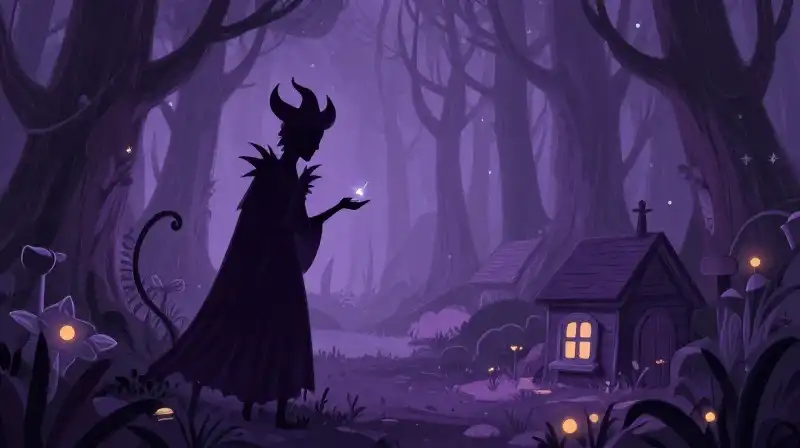
The villain. They are the shadows cast by the hero’s light. In the realm of fairy tales, antagonists are never simply “bad”; they are complex embodiments of human—and sometimes supernatural—fears. They represent the chaos that threatens order, the greed that defies morality, and the psychological hurdles that the heroine must overcome to claim her rightful place. From the cunning snap of the Big Bad Wolf to the icy, calculated malice of Maleficent, these characters are not just plot hurdles; they are the dramatic engines that turn a simple bedtime story into a resonant exploration of morality and will. To truly understand a story is to understand its opposition. The quality of a villain determines the richness of the world they inhabit and the depth of the virtue their hero must possess. In *Magic Stories*, we look past the superficial costumes to uncover what these archetypes represent—whether they are embodiments of individual spite, systemic corruption, or pure, terrifying natural instinct.
The Architecture of Evil: Defining Different Types of Malice
 Not all villainy wears the same face, nor does it employ the same tactics. For a writer, or a parent looking to analyze the themes in a favorite tale, the first step is determining the nature of the antagonist’s power. Evil in folklore operates on several distinct levels:
The Immediate and Direct Threat
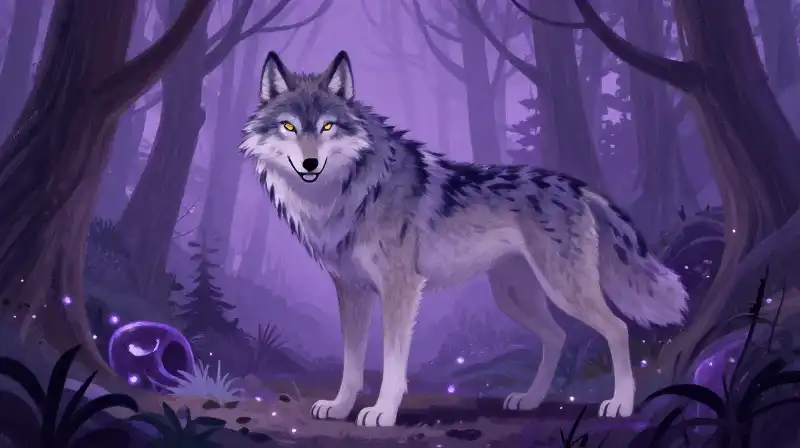
This form of villainy is defined by relentless, visceral ruthlessness. These characters often have a straightforward goal: the destruction of the protagonist. They keep their word, which in this context means their malice is swift and unhesitating [1]. When faced with a heroine, the threat is not slow or manipulative; it is definitive. * **Example:** The Big Bad Wolf, when seen in its most primal, predatory iteration, is a clear embodiment of this type. Its goal is simple: eat Red Riding Hood and her grandmother. This directness makes it a concrete, physical fear for young readers, representing the sudden and uncompromising nature of danger [1].
The Calculated and Insidious Threat
This type of villain is defined by patience and strategy. They prefer long-term, insidious revenge over immediate violence. Their cruelty is intellectual, designed to dismantle the hero’s life, reputation, or future over time. * **Example:** Maleficent excels at this brand of evil. Her planning—waiting for Briar Rose’s sixteenth birthday to execute her curse—is a masterclass in calculated malice [1]. Her power lies not in a swift swipe of a staff, but in the patience required to wait for the exact moment of maximum devastation.
The Systemic and Metaphorical Threat
Sometimes, the “Big Bad” isn’t a single person but a force or a symbol of larger societal evils. These villains represent systemic issues—such as oppression, corruption, or predatory exploitation—that the hero must overcome. * **Example:** In some cultural interpretations of *Little Red Riding Hood*, the wolf is read not just as a hungry beast, but as a metaphor for predatory men who exploit young, trusting women [2]. Here, the villain represents a structural danger rather than just a biological instinct. Similarly, the idea of a witch cult using “candy traps” [2] shifts the focus from one witch to organized, widespread evil.
Archetypes in Deep Focus: The Faces of the Antagonist
To truly grasp the concept of a fairy tale villain, we must examine the different archetypes and the nuanced ways they manifest across folklore.
The Evolution of the Antagonistic Woman
The portrayal of powerful female villains has shifted dramatically from mere jealousy to dangerous, often magical, threats. * **The Jealous Stepmother:** While historically some portrayals focused on “pathetic” jealousy, the modern villain has evolved. She now often pairs a “wide streak of viciousness” with tangible power, such as the poisoned apples in the tale of *Snow White* [1]. * **The Multifaceted Witch:** The concept of the Witch is vast. She can be a predatory entity that physically consumes children (a primal fear) [1], or a highly complex, self-serving force like Baba Yaga in Slavic folklore. Baba Yaga’s cruelty is often inherent to her nature—she is monstrous because that is simply what she is [2].
The Study of Obsession and Manipulation
Certain villains operate not out of simple rage, but from a profound, destructive obsession. * **The Wizard from *The Girl With No Hands***: This character serves as a chilling study in control and escalation. His obsession with the miller’s daughter begins subtly, escalating from demanding she remain clean of water to ordering her death and the dismemberment of her infant [1]. His evil is rooted in the need for absolute mastery over another’s existence. * **Captain Hook and the Snow Queen:** These characters represent a specific brand of rigid, self-serving arrogance. Captain Hook is the ultimate symbol of thwarted ambition and obsession with grandeur [3]. The Snow Queen, meanwhile, embodies the chilling coldness of emotional detachment, representing a beautiful but fatal kind of perfection [3].
The Predator: Beyond the Simple Monster
When considering the role of the wolf or other monstrous creatures, the debate often centers on the source of their power. * **The Eldritch Demon Wolf:** Some interpretations move beyond the manipulative sociopath to portray the Big Bad Wolf as an “eldritch demon” [2]. This version suggests a threat that transcends typical animal instinct, possessing a sheer intellect capable of terrifying even creatures as mighty as dragons and giants. This raises the stakes from a simple survival tale to a metaphysical struggle against overwhelming, intelligent male darkness [2].
Defeating Evil: Hubris and the Triumph of Wit
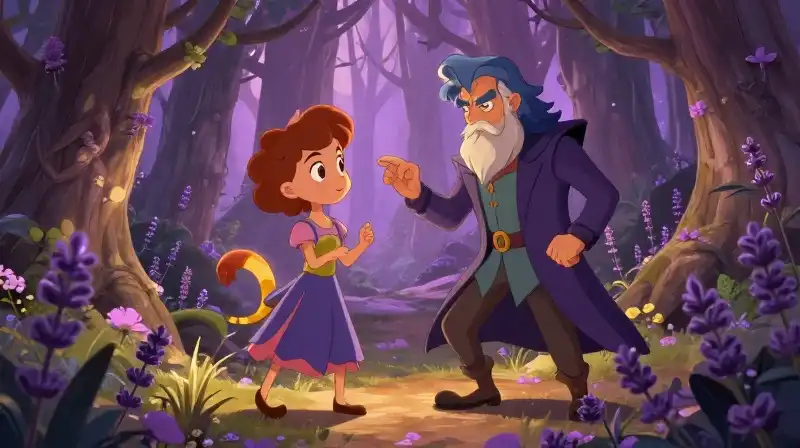 If the antagonist embodies a particular type of vice—whether it is greed, arrogance, or possessiveness—then the hero’s victory is rarely achieved through superior brawn. Instead, the narrative structure consistently dictates that the hero triumphs by cleverly circumventing the villain’s weakness. A core thematic element across many fairy tales is the villain’s hubris. They are too confident, too arrogant, or too obsessed with a single, flawed goal. The hero succeeds by exploiting this vulnerability. As many tales conclude, the triumph belongs to the cleverness and sharp intelligence of the protagonist, who outsmarts the antagonist’s self-regard [1, 2]. The Big Bad Wolf, for instance, is defeated not through force, but through the clever manipulation of Red Riding Hood, who reveals the location of the grandmother to the wolf, facilitating his demise [1].
The Big Bad in a Fairy Tale: Who Is the Main Threat?
A common question we often hear is: “Who is the main villain in a fairy tale?” The answer is rarely a single name; rather, the main villain depends on the narrative’s thematic focus. * If the story explores **primal instinct and danger**, the **Big Bad Wolf** represents the untamed, physical threat [1]. * If the story explores **internal repression or societal harm**, the **Wizard** or the wolf as a **metaphor for predatory men** serves as the threat [2]. * If the story explores **the dangers of unchecked passion or emotional coldness**, characters like the **Snow Queen** or the **Evil Stepmother** carry that weight [3].
Villain Archetypes for Storytelling and Analysis
For those developing characters or analyzing the potential symbolism within a children’s story, here is a comparison of distinct villain profiles:
| Villain Archetype | Primary Form of Evil | Key Tactic | Narrative Function |
|---|---|---|---|
| The Grand Manipulator (e.g., Big Bad Wolf [2]) | Psychological/Intellectual | Mind games, misleading the hero into vulnerability | Explores the danger of misplaced trust |
| The Calculating Controller (e.g., Maleficent [1]) | Strategic/Patient | Long-term curses, wait-and-see vengeance | Explores the dangers of rigid control and obsession |
| The Primal Consumer (e.g., Witch from Hansel and Gretel [1]) | Visceral/Predatory | Lures, temptation, consuming the vulnerable | Explores fundamental fears of being consumed/lost |
| The Corrupt Authority (e.g., Corrupt King/Wizard [2]) | Systemic/Ideological | Enforced laws, escalating mandates of cruelty | Examines the breakdown of social order and justice |
The Enduring Resonance of the Shadow
Fairy tale villains are far more than merely evil characters designed to create conflict. They are essential mirrors. They hold up a distorted reflection of humanity—of our own fears of unchecked power, predatory instincts, and the destructive potential of obsessive love. For parents and educators, understanding the *type* of evil presented—be it the swift malice of the wolf or the slow creep of the Wizard’s obsession—allows you to engage with the story on a deeper level. You can use these archetypes to guide conversations about boundaries, trust, and the importance of lateral thinking over brute force. The true magic of a well-crafted villain is that they force the hero to define themselves. Without the darkness, the light has no meaning. And in the world of children’s stories, the light—representing cleverness, courage, and resilience—is always a brilliant, necessary victory over the shadows.
Sources
- The 5 Evilest Fairy Tale Villains of All Time — epicreads.com
- In your opinion, who should be the Big Bad in a Fairy Tale Fantasy? : r/fantasywriters — reddit.com
- Category
Tale Villains | Super villain Wiki | Fandom — super-villain.fandom.com
Frequently Asked Questions
Who is the main villain in fairy tale?
The main villain is rarely a single name, as it depends on the narrative's thematic focus. If a story explores primal instinct and physical danger, the Big Bad Wolf serves as the threat. If the narrative is focused on societal harm or internal repression, characters like the Wizard or the wolf acting as a metaphor for predatory men take on that role.
Related Articles