The Fairy Tale Cat: Why Wit and Magic Rule the Stories

Introduction
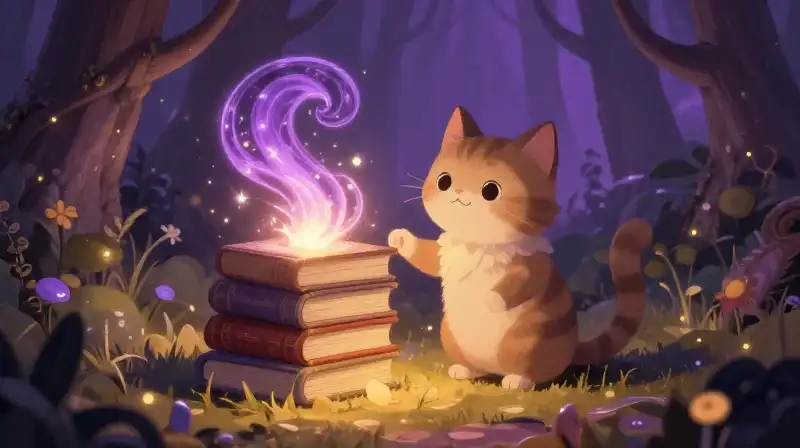
In the gilded, shadowy forests of fairy tale lore, we often search for grand heroes—princesses in distress, knights wielding shining steel, and wicked sorcerers plotting domination. Yet, sometimes the most potent, whimsical, and surprisingly powerful figure in these storybook worlds is the smallest creature of all: the cat. Far from being merely a fluffy background prop, the feline character has consistently transcended its domestic, comforting role to become a powerful archetype, representing wit, transformation, and sudden, unexpected royalty.
These magnificent creatures operate outside the typical boundaries of human logic. Whether they are navigating a royal court, solving a regional disaster, or facilitating a miraculous change of state, fairy tale cats serve as dynamic, often magical agents of change [1, 2]. Their presence elevates a simple domestic scene into a profound moment of fantasy, demonstrating that cleverness and magic often come wrapped in the sleek, unassuming form of a creature with nine lives.
The Archetype of Wit: Cunning and Resourcefulness
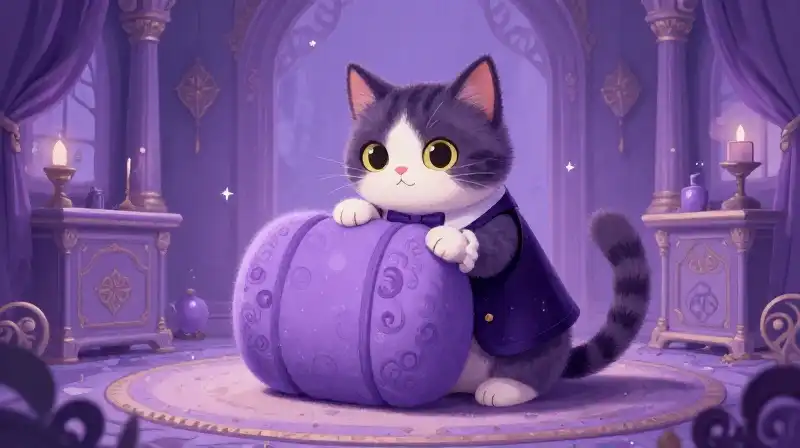
Perhaps the most celebrated role the fairy tale cat fulfills is that of the brilliant, talkative strategist. This is the archetype most famously embodied by Puss in Boots. Puss is not a brute or a magically enhanced warrior; his power lies in his mind. He represents the power of the resourceful underdog, outsmarting formidable human and giant obstacles to achieve his goals, be it securing a title or winning a beloved princess [2]. His existence, documented across various historical iterations by writers like Charles Perrault and Giovanni Straparola, cemented the cat’s place as a figure of profound, clever determination [2].
This spirit of cleverness is echoed in classic tales like “The Poor Miller’s Boy and the Cat” by the Brothers Grimm. Here, the feline character is not only present but actively instrumental, utilizing its quick intelligence to aid an underdog against a demanding and tyrannical human authority [2]. These stories teach young readers that wit and strategy can be just as effective as physical strength, a powerful lesson rooted in the cat’s nimble nature.
The Transformative Catalyst: Magic and Transformation
In another tier of storytelling, the cat functions as a powerful magical conduit, capable of initiating, guiding, and completing radical transformation. These stories suggest that the line between the magical and the mundane is incredibly thin, and the cat often holds the key.
Consider the Scandinavian tale, “Kisa the Cat.” In this narrative, the cat acts as a mysterious catalyst for profound change. It serves as a queen’s fertility agent and, following a “kind deed”—a specific act of moral goodness—the cat itself transforms into a human sister [1]. Similarly, the concept of cats as royalty and magical beings appears in “The White Cat,” a variation stemming from Madame d’Aulnoy. In these tales, cats are often depicted as powerful queens who effortlessly wield impossible magic, such as coordinating magnificent battles or producing objects that defy natural laws [1].
The motif of transformation is particularly rich. The story “Kisa the Cat,” in a different interpretation from Andrew Lang’s *Brown Fairy Book*, casts the cat as a giant-slayer and a princess, demonstrating how a simple creature can embody epic mythological power [2]. These narratives invite children to see the world not as fixed, but as fluid and full of latent potential.
From Domestic Helper to Fae Monarch: The Spectrum of Feline Roles
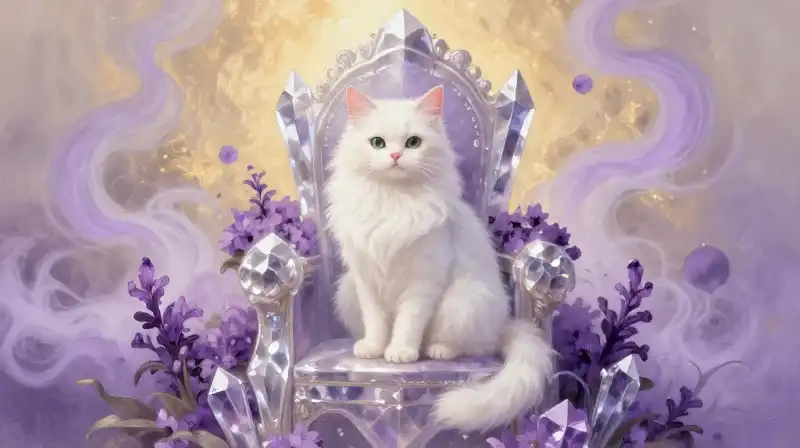
The versatility of the fairy tale cat is best illustrated by observing the wide spectrum of roles it assumes, moving from subtle helper to outright ruler. This diversity is what makes the character so enduring across cultures and centuries.
Below is a breakdown of the different types of feline archetypes found in storytelling:
- The Tactical Helper: Cats like Puss in Boots, who use cunning and verbal trickery to advance the plot and solve the main conflict [2].
- The Beneficent Agent: Cats such as Baccio and Bianca in “Two Kind Cats,” who resolve a local crisis—the mouse problem—and are subsequently given to a king as a coveted, beneficial gift, symbolizing moral utility and generosity [1].
- The Fae Ruler: The “White Cat” and other feline monarchs who preside over impossible magic and embody an ancient, innate sovereignty [1].
- The Guided Hero: The cat acting as a mysterious guide or protector, as seen in “Kisa the Cat,” where it fulfills a role as a princess and giant-slayer [2].
- The Symbol of Value: The “King of the Cats,” where a humble family housecat suddenly proclaims its own royalty after hearing a mysterious funeral announcement [1]. This reflects the idea that true worth and nobility are often unexpected.
Addressing Common Questions About Fairy Tale Cats
Are there any cats in fairy tales?
The answer is a resounding yes, and their role is far more significant than mere presence. Cats have integrated into folklore globally and have evolved from symbols of ancient power to catalysts for morality and magic. They often serve as characters who transcend their animal status, functioning as powerful, witty agents of change—whether they are talkative helpers or mysterious monarchs [1, 2].
What is the significance of “The White Cat” in folklore?
“The White Cat” appears in several forms, notably the version attributed to Madame d’Aulnoy. In this tale, the white cat serves as a powerful queen who exercises flawless magic, such as coordinating ‘magnificent battles’ and producing miraculous items [1]. It embodies effortless power and inherent majesty.
Thematic Resonance for Bedtime and Classroom Use
For parents and educators, the enduring power of the fairy tale cat lies in its ability to represent subtle virtues that are deeply valuable. The stories aren’t just about the adventure; they are about the *nature* of the change and power. The cat’s role as a facilitator of morality (like the generosity shown in “Two Kind Cats” [1]) or its power of transformation (like Kisa [1]) offers concrete, gentle lessons.
When selecting a cat tale for bedtime, consider focusing on the theme of the ‘kind deed.’ Tales featuring clever, helpful cats allow children to explore the idea that good intentions and sharp thinking can lead to wonderful outcomes. They are stories that are engaging and illuminating, prompting children to observe how seemingly small actions—or the intervention of a surprising companion—can lead to grand, positive shifts in the world around them. These are stories that ground fantastical elements in recognizable lessons of cleverness and kindness [1, 2].
The fairy tale cat, therefore, is far more than a creature; it is a potent symbol. It represents the truth that power can be found not in the loudest roar, but in the quiet, sharp intelligence of a clever mind, capable of orchestrating change, bringing about transformation, and commanding unexpected respect.
Sources
- The Magical Cats of Fairy Tales — enchantedlivingmagazine.com
- Fantastic Fairy Tales with Cats in Them — storytellerkim.com
- Faerie Tales Cat Rescue – Metro Detroit Cat Rescue — faerietales.org
Frequently Asked Questions
Are there any cats in fairy tales?
The answer is a resounding yes, and their role is far more significant than mere presence. Cats have integrated into folklore globally, evolving from symbols of ancient power to catalysts for morality and magic. They often serve as powerful, witty agents of change, functioning as mysterious monarchs or talkative helpers who transcend their animal status.
Related Articles