
Hans Christian Andersen: Iconic Danish Tales for Young Readers

Introduction
When we think of magical realms, we often picture sprawling castles and enchanted forests. But the true heart of storytelling sometimes lies in something more elemental: the sea, the cold North wind, and the profound beauty of a quiet island. Danish fairy tales, crystallized in the 19th-century collections, offer readers a distinct and evocative brand of magic, moving away from generic fantasy toward a narrative deeply rooted in the nation’s unique cultural shifts [1]. These are stories where the mythical meets the deeply human, where gods and pagans clash beneath a vast, sweeping sea, and where moral lessons are wrapped in the delicate, often melancholy, cloak of true imagination [1].
The Roots of the Sea and the Spirit
To truly understand Hans Christian Andersen, one must first look at the soil from which his tales grew. Danish folklore is not simply a collection of charming fables; it is a cultural artifact that reflects a long and fascinating journey. These stories are uniquely enriched by their ties to Norse Mythology and a rich maritime history, constantly drawing inspiration from the sea and the nation’s rugged islands [1]. The land itself is often treated as a monumental character, a territory that “sweeps ever out to sea,” lending an incredible sense of adventure, isolation, and mood to the narratives [1].
Andersen masterfully navigated this complex cultural shift. His work often serves as a poignant mirror to Denmark’s evolving religious landscape, subtly weaving remnants of ancient, pagan rites and mythological gods into a new, Christian framework [1]. This blending of worlds gives his characters a profound sense of internal conflict—they are caught between their primal, elemental nature and the imposed morality of the new era. This tension is precisely what makes his tales so enduring and thought-provoking for every generation of readers [1].
Thematic Archetypes: Conflict and Character
Unlike simpler folk tales, Andersen’s characters are rarely one-dimensional. They are often magnificent in their struggles, existing as conflicted figures who embody universal human experiences, from the desperation of ambition to the quiet resilience of the spirit [1]. Several of his most iconic figures showcase this deep psychological layering:
-
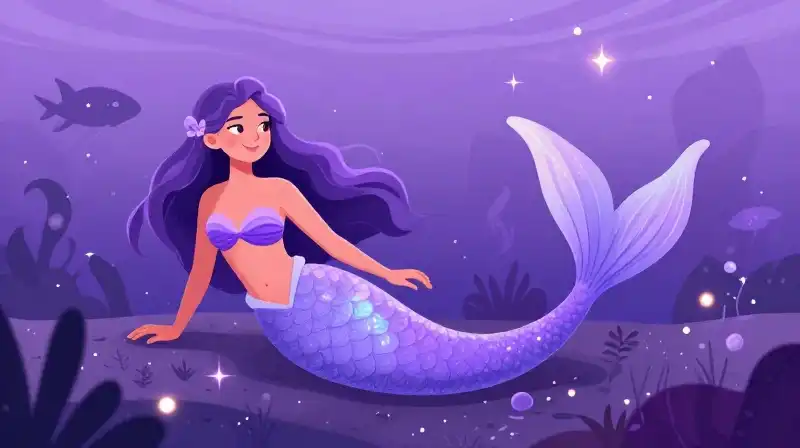
The Little Mermaid: This tale is a profound meditation on the nature of sacrifice and the tension between two worlds—the wild, eternal existence of the sea versus the fleeting, often difficult world of human connection. Her pursuit of a transformative love is a powerful exploration of ultimate longing and the cost of self-definition [1].
-
The Little Match Girl: This character represents a poignant commentary on societal neglect and the fleeting nature of life. Her internal world, rich with visions brought on by her matches, allows for a searing exploration of beauty and innocence juxtaposed against harsh reality, making her one of the most tragic and emotionally resonant figures in all of folklore [1].
-
The Snow Queen: This character embodies a chilling but beautiful external force—the destructive power of cold perfection and unchecked emotion. She is a reminder that even the most beautiful things can possess a rigid, overwhelming power that tests the heart of the protagonists [1].
Beyond the Classic Cast: Symbols and Creatures

The Danish tapestry is woven with creatures and motifs that speak to specific cultural anxieties and hopes. These elements are more than just whimsy; they are symbols that help readers understand the underlying themes of transformation and worth.
| Creature/Motif | Key Role | What It Represents |
|---|---|---|
| The Ugly Duckling | Transformation and Self-Acceptance | The journey from perceived failure to inherent magnificence, challenging superficial judgment [1]. |
| The Steadfast Tin Soldier | Inner Loyalty and Endurance | A perfect representation of enduring character and unwavering commitment in the face of chaos or change [1]. |
| Ole-Luk-Oie | Whimsical Wonder | A “dream god” figure representing pure, unbridled imagination and the magical potential of childhood wonder [1]. |
The use of the landscape itself as a recurring theme is paramount. In tales like “A Story from the Sand-Dunes,” the geography is not a mere backdrop; it actively influences the mood, the adventure, and the fate of the characters, grounding the fantasy in a specific, tactile Danish reality [1].
The Classroom and Bedtime Guide: Practical Story Picks
Whether you are seeking a tale to soothe a child before sleep, or a rich text to spark dialogue in a classroom, Andersen offers concrete, deeply meaningful material. The power of these stories lies in their ability to distill complex moral and emotional ideas into narratives that children can easily visualize and engage with. Here are specific suggestions:
-
“The Emperor’s New Clothes”: This is the ultimate lesson in the power of honesty and the danger of conformity. It is a brilliant, accessible tale for younger readers, teaching them that what others *say* is not always the truth, and that bravery sometimes means being the only one to speak the obvious truth [1].
-
“The Princess and the Pea”: This story is a wonderful, gentle examination of sensitive character and true worth. By focusing on the subtle test of character, it encourages young readers to look beyond outward appearance and appreciate inner depth and resilience [1].
-
“The Three Red Piggies”: While a classic counting and action story, this tale often carries a subtle moral lesson regarding preparation and the consequences of careless living. It is an ideal tale for younger listeners needing a clear delineation between different choices and their results [1].
-
“The Ugly Duckling”: This provides the perfect bedtime narrative for discussions about belonging and personal evolution. It validates the feeling of being an outsider while assuring the child that their true self will eventually shine [1].
Hans Christian Andersen and Modern Storytelling
Ultimately, why are these iconic Danish tales still so relevant? It is because they refuse to offer easy answers. Hans Christian Andersen does not simply tell a story; he creates an atmosphere and initiates a conversation about the soul, fate, and the complex relationship between the individual and the greater world—be it a vast sea or a demanding society. His works, whether they are globally recognized classics like “The Little Mermaid” or unique regional pieces like “The Devil-Deep,” provide rich ground for young imaginations. They offer not just characters to skim, but worlds to inhabit, teaching us that true worth is often found not in magical transformation, but in the quiet strength of one’s own character, resilience, and the profound courage to be exactly who you are [1].
Sources
- Danish Folk Tales & Folklore: 129 Free Stories | Fairytalez — fairytalez.com
Frequently Asked Questions
What is a famous Danish folklore?
Danish fairy tales are noted for offering an evocative brand of magic deeply rooted in the nation's unique cultural shifts. Iconic figures such as "The Little Mermaid" and "The Little Match Girl" exemplify the depth and tragedy found in this folklore.
Is Denmark known for fairy tales?
Danish fairy tales offer readers a distinct and evocative brand of magic, moving away from generic fantasy. These stories are uniquely enriched by their ties to Norse Mythology and the nation’s rugged maritime history.
Who was the famous fairy tale writer in Denmark?
Hans Christian Andersen is the figure who masterfully navigated complex cultural shifts in Danish literature. His work is described as a cultural artifact that reflects a long and fascinating journey through the nation's unique history.
Related Articles